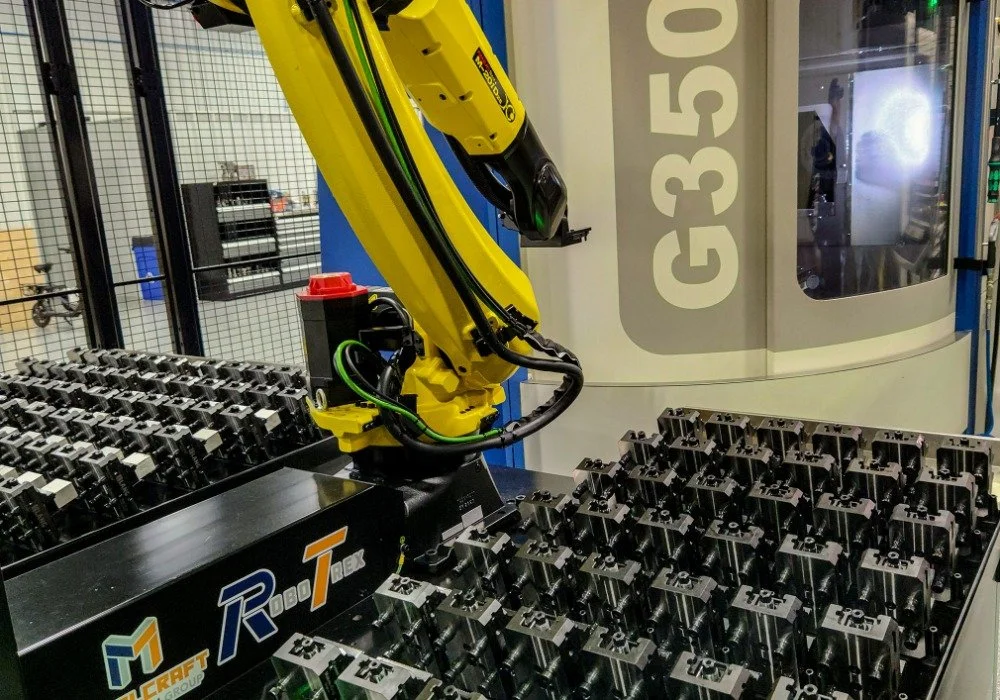
Manufacturers continue to adopt automation to stay competitive, improve throughput, and address labor challenges. RoboTrex systems from Metalcraft Automation Group support that shift by delivering reliable CNC machine tending solutions designed for real-world shop environments.
Understanding what happens during installation helps teams prepare, reduce downtime, and get value faster. This article breaks down each phase so you know what to expect from planning through production.
How Installation Planning Sets the Foundation
Every successful RoboTrex installation starts with detailed planning. Teams define goals, evaluate workflows, and align expectations before any equipment arrives.
Engineers review part geometry, cycle times, and machine compatibility. They also assess available floor space and safety requirements. This preparation ensures the system fits seamlessly into your operation.
Clear planning reduces surprises and accelerates implementation.
What Happens During Site Evaluation
Before installation begins, specialists conduct a site evaluation. This step verifies that your facility can support the system.
They check power availability, compressed air requirements, and network connectivity. They also review material flow and operator access points.
This evaluation makes sure that your environment supports optimal robot performance from day one.
Preparing Your Facility for Installation
Your team plays a key role in preparing the space. A clean, organized work area allows installers to move efficiently and safely.
You may need to reposition equipment or clear space for staging components. Teams also confirm that utilities meet system specifications.
Proper preparation avoids delays and keeps the installation timeline on track.
What Equipment Arrives On-Site
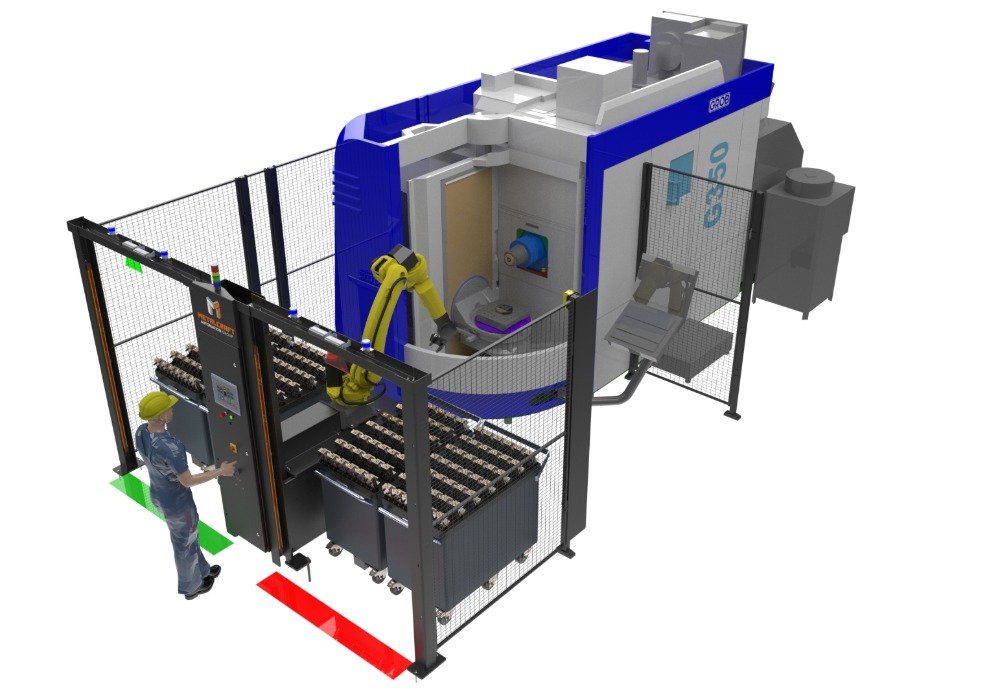
RoboTrex systems arrive as pre-engineered solutions. This approach reduces complexity compared to fully custom builds.
You can expect delivery of:
Robotic arm with automation gripper
Fully programmed system controls
Fully configured safety guarding and controls
CNC automation tooling
Automation carts and workholding
Each component arrives ready for integration, which helps streamline setup.
How Mechanical Installation Takes Shape
Electro-Mechanical Technicians (EMTs) begin with mechanical assembly. First they position and bolt down the robot in alignment with the CNC machines. Then they install the rest of the modular components around the robot to complete the automation cell.
This stage builds the physical structure of your automation system.
Electrical and Controls Integration Explained
After mechanical setup, EMTs handle electrical integration. They connect the pre-wired communication cables within the system and to the CNC machine controls.
Once the customer provides the proper power and air supply lines our Controls Engineers power up the system and work to establish communication with the CNC. Typically a CNC technician will be on-site to help with the machine side programming.
This step helps all components work together as a unified and safe automation system.
Programming the RoboTrex System
Programming is done prior to installation and transforms the automation hardware into a working solution. Engineers, over several years, have been developing the proper safety requirements, robot paths, pick-and-place routines, and recovery routines that make RoboTrex easy to learn and operate.
The user interface has been developed to create a system that operates efficiently and remains easy to manage. RoboTrex is so simple that anyone can learn to operate the system very quickly, because there is no need to learn robot programming or a complex software.
At this stage, the Robotrex CNC machine tending robot begins to reflect your production needs.
Testing and Debugging Before Go-Live
Testing plays a critical role in successful installation. Teams run the system through multiple cycles to identify and resolve issues.
They verify part accuracy, repeatability, and timing. Adjustments ensure smooth operation under real production conditions.
This process builds confidence before full deployment.
Operator Training and Knowledge Transfer
Training ensures your team can operate and maintain the system effectively. Metalcraft Automation Group provides hands-on instruction tailored to your setup.
Operators learn how to:
Start and stop the system
Load materials and manage workflows
Handle basic troubleshooting
Perform routine maintenance
This knowledge empowers your team to take ownership of the system.
Safety Systems and Compliance Expectations
Safety remains a top priority during installation. RoboTrex systems include guarding, sensors, and emergency stop functions.
Installers test all safety features to ensure compliance with industry standards. They also train operators on safe interaction with the system. A properly installed system protects both people and equipment.
Timeline: How Long Installation Typically Takes
Installation timelines vary based on complexity, but RoboTrex systems aim to reduce downtime through pre-engineered design.
Many installations complete within days rather than weeks. Factors that influence timing include facility readiness, system size, and integration requirements.
Clear communication during planning helps set realistic expectations.
Common Challenges and How Teams Overcome Them
Even well-planned installations can face challenges. Teams may encounter space constraints, unexpected utility limitations, or workflow adjustments.
Experienced installers address these issues quickly through on-site problem-solving. They adapt layouts, adjust programming, and refine processes as needed.
Strong collaboration between your team and installers keeps progress moving forward.
What Production Ramp-Up Looks Like
After installation, the system enters a ramp-up phase. Operators begin running parts under normal production conditions.
Engineers monitor performance and make final adjustments to improve efficiency. Cycle times, part quality, and system reliability all receive close attention.
This phase helps make sure the system meets your operational goals.
Ongoing Support After Installation
Installation does not mark the end of the process. Metalcraft Automation Group provides ongoing support to help you maximize system performance.
Support may include:
Technical assistance
Preventive maintenance guidance
System updates and improvements
This partnership helps your automation investment deliver long-term value.
How RoboTrex Fits Into Broader Automation Goals
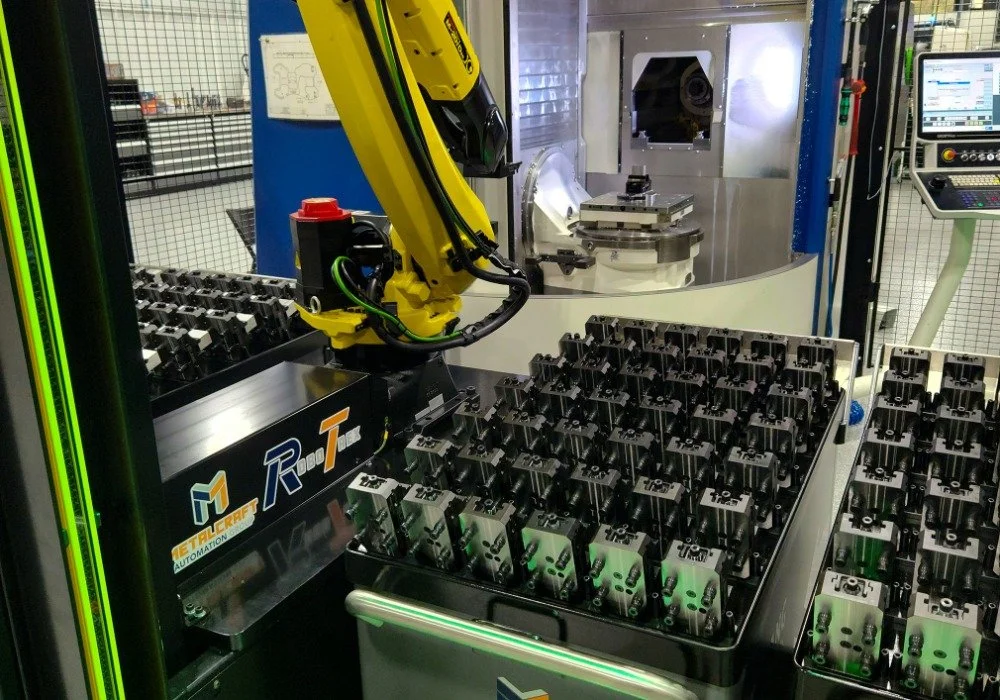
RoboTrex systems support larger automation strategies. Many manufacturers start with machine tending and expand into additional processes.
Automation creates consistency, improves throughput, and reduces reliance on manual labor. It also allows teams to focus on higher-value tasks.
A successful installation often serves as a foundation for future automation initiatives which can help take your business to even greater levels.
Key Benefits You’ll Notice After Installation
Once the system runs at full capacity, several benefits become clear.
You will see improved machine uptime and more consistent production output. Quality becomes more predictable due to reduced human variability.
Labor efficiency improves, allowing your team to focus on critical operations. With automation in place, your workers will be able to stay on task far more efficiently and without interruption.
Installing RoboTrex Robots
Installing a RoboTrex system involves more than placing a robot on the floor. It requires planning, collaboration, and precise execution across multiple stages.
When teams prepare properly and work closely with experienced integrators, installation becomes a smooth and efficient process. The result is a system that enhances productivity and supports long-term growth.
For manufacturers looking to modernize operations, understanding what to expect removes uncertainty and builds confidence in automation decisions.