Robotics continues to reshape modern manufacturing, but many companies still struggle to implement automation effectively. Teams often expect quick results without fully preparing their processes, people, or systems. That gap leads to delays, higher costs, and underperforming automation cells.
Understanding common mistakes helps manufacturers avoid setbacks and build a stronger path toward long-term success.
Why Robotics Implementation Fails More Often Than Expected
Many organizations underestimate the complexity of automation. Robotics does not simply replace labor, it reshapes workflows, communication, and production strategy.
Companies that rush deployment often overlook important planning steps. That oversight creates inefficiencies that ripple through operations.
Failing to Define Clear Objectives
Teams often begin automation projects without clear goals. They know they want efficiency, but they fail to define what success looks like.
Without measurable targets, teams cannot evaluate performance or justify investment. Clear objectives, such as cycle time reduction or output increase, anchor the entire implementation.
Ignoring Process Readiness
Automation works best with stable, repeatable processes. Many manufacturers attempt to automate workflows that still contain variability.
Inconsistent inputs lead to inconsistent robotic performance. Before introducing robotics, teams must standardize processes and eliminate unnecessary variation.
Underestimating Integration Complexity
Robotics systems rarely operate in isolation. They must integrate with CNC machines, conveyors, software systems, and quality controls.
Poor integration planning leads to downtime and communication errors between systems. Successful implementation requires a full view of how each component interacts within the production environment.
Choosing the Wrong Application for Automation
Not every task benefits from robotics. Some processes require flexibility or human judgment that automation cannot easily replicate.
Companies sometimes automate low-impact tasks while ignoring higher-value opportunities. Strategic selection ensures robotics delivers measurable ROI.
Lack of Employee Involvement
Teams often exclude operators and technicians from early planning stages. That decision creates resistance and slows adoption.
Employees understand daily workflows better than anyone else. Their input helps identify risks, improve system design, and ensure smoother transitions.
Insufficient Training and Support
Robotics systems require skilled operators and maintenance teams. Companies that skip training struggle with downtime and inefficiencies.
Training should cover operation, troubleshooting, and safety. Ongoing support ensures teams stay confident and capable as systems evolve.
Overlooking Maintenance Planning
Robotics systems demand regular maintenance to perform reliably. Many organizations treat maintenance as an afterthought.
Without a proactive plan, small issues escalate into costly downtime. Preventive maintenance schedules protect system performance and extend equipment life.
Poor Layout and Cell Design
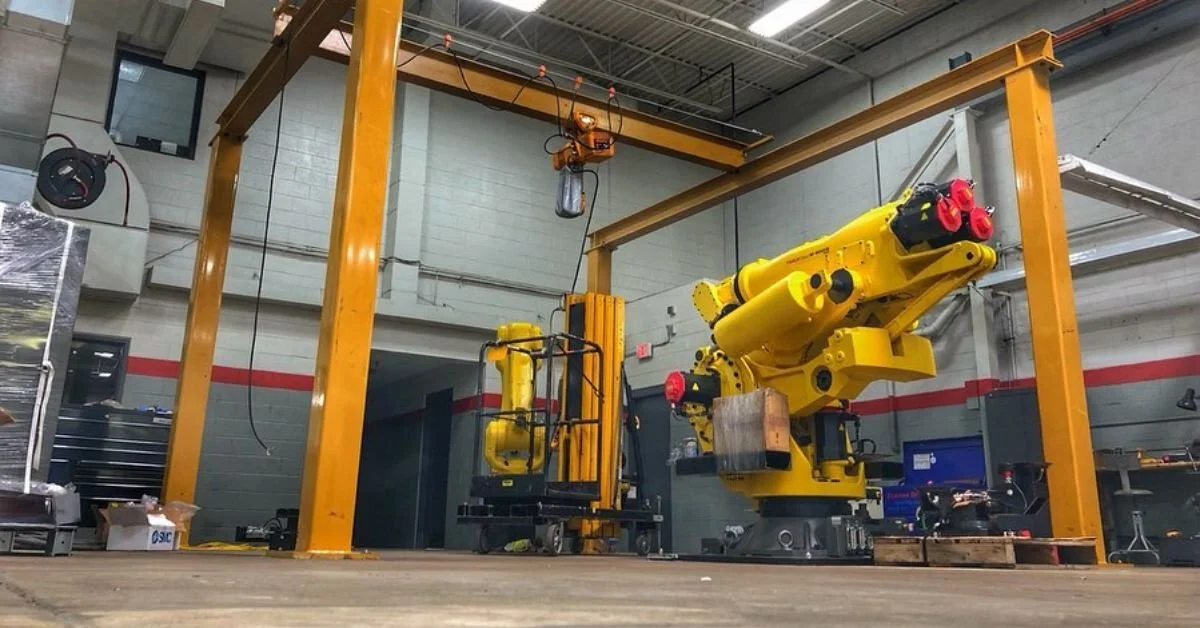
Physical layout plays a major role in automation success. Inefficient cell design slows production and creates safety risks.
Robotics cells should support smooth material flow, easy access, and clear operator interaction. Thoughtful design improves both productivity and safety.
Expecting Immediate ROI
Automation delivers value over time, not overnight. Some companies expect instant returns and grow frustrated when results take longer.
Initial phases often include adjustments, optimization, and learning curves. A long-term mindset allows teams to refine systems and maximize performance.
Neglecting Scalability
Some automation solutions meet current needs but fail to support future growth. Companies that ignore scalability limit their long-term potential.
Flexible systems allow expansion, additional machines, and evolving production demands. Planning for growth helps automation remain valuable for years.
Choosing the Wrong Automation Partner
The right partner plays a critical role in successful robotics implementation. Some providers focus only on equipment rather than full solutions.
A strong partner offers design, installation, training, and ongoing support. Metalcraft Automation Group specializes in delivering turnkey systems that address the full lifecycle of automation, from concept through support.
Overcomplicating the Solution
Complex systems do not always produce better results. Overengineering introduces unnecessary risk and makes troubleshooting more difficult.
Simple, well-designed solutions often outperform overly complex ones. Teams should focus on reliability and ease of use.
Common Signs Your Robotics Implementation Is Off Track
Recognizing early warning signs helps teams correct issues before they escalate. Watch for these indicators:
Frequent downtime or unexpected stoppages
Inconsistent production output
Operator confusion or lack of confidence
Integration issues between machines and software
Maintenance issues appearing earlier than expected
These signs often point to deeper planning or execution problems.
Misaligning Robotics with Business Strategy
Automation should support broader business goals, not operate as a standalone initiative. Some companies invest in robotics without aligning it with production strategy or customer demand.
When automation aligns with business objectives, it improves throughput, quality, and competitiveness.
Overlooking Safety Considerations
Safety must remain a priority throughout implementation. Poor planning can expose operators to unnecessary risks.
Proper guarding, sensors, and safety protocols protect both employees and equipment. Safe systems also improve efficiency by reducing disruptions.
Not Leveraging Proven Solutions
Some companies attempt to build custom automation from scratch when proven solutions already exist. That approach increases risk and development time.
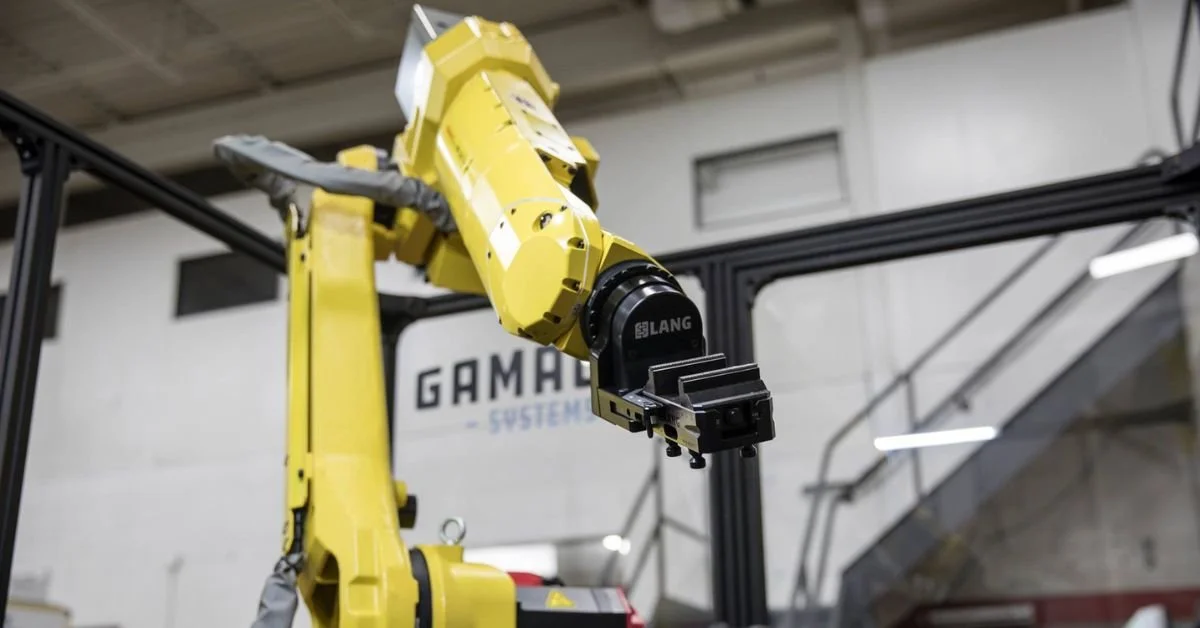
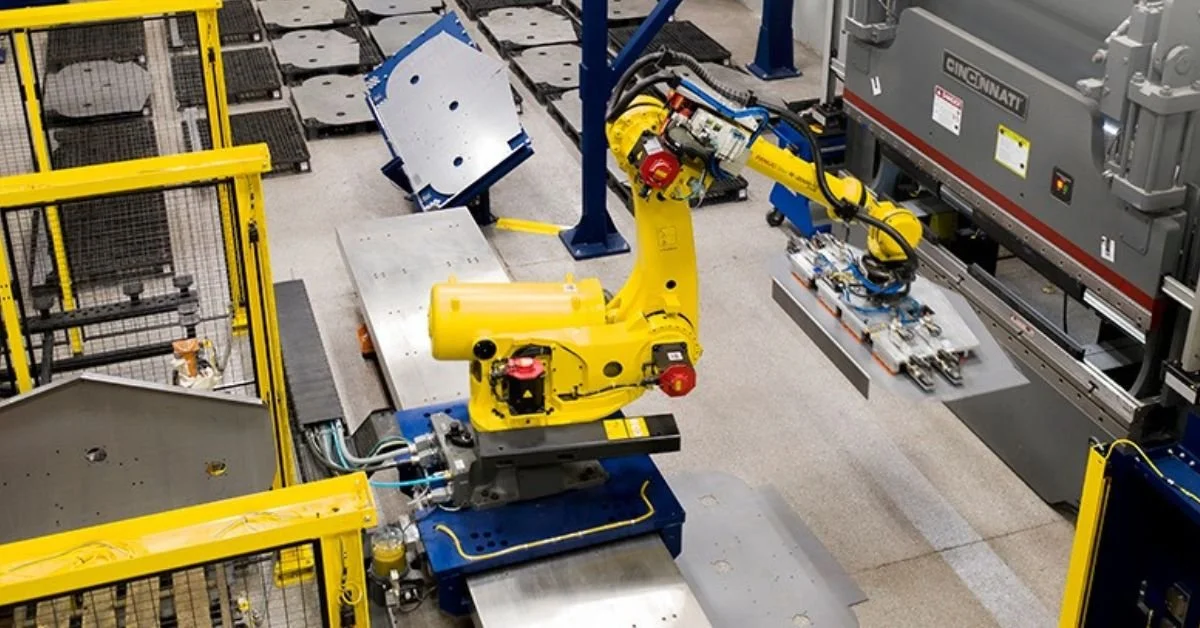
Pre-engineered systems, such as the Robotrex CNC machine tending robot, provide a reliable starting point with tested performance and faster deployment timelines.
Weak Communication Across Teams
Automation projects involve multiple stakeholders, including engineers, operators, leadership, and external partners.
Poor communication creates misunderstandings and delays. Clear collaboration helps make sure of alignment across all phases of implementation. Plenty of companies can benefit from having more clear communication because it allows everyone to be on the same page with the company’s growth.
How to Set Your Robotics Implementation Up for Success
Avoiding mistakes requires a structured approach. Successful companies focus on preparation, collaboration, and long-term planning.
They treat automation as a strategic investment rather than a quick fix. Automation should be a part of a company’s long term planning if they want to succeed.
The Role of Expertise in Automation Success
Experienced automation providers bring valuable insight into system design, integration, and optimization.
Metalcraft Automation Group delivers manufacturing automation solutions that help businesses implement robotics effectively while minimizing risk. Our expertise supports companies across industries, including aerospace, medical, and machining environments. We offer our expertise to many different kinds of companies that are looking to automate their processes in a way that makes sense.
Turning Challenges Into Opportunities
Robotics implementation presents challenges, but those challenges also create opportunities for growth. Companies that approach automation thoughtfully gain a competitive edge in efficiency, quality, and scalability. It’s important to take that big step forward with automation when you’re ready, because it will pay off if you’re careful with your process.
Avoiding common mistakes allows teams to unlock the full value of robotics. With the right strategy, support, and execution, automation becomes a powerful driver of long-term success.