
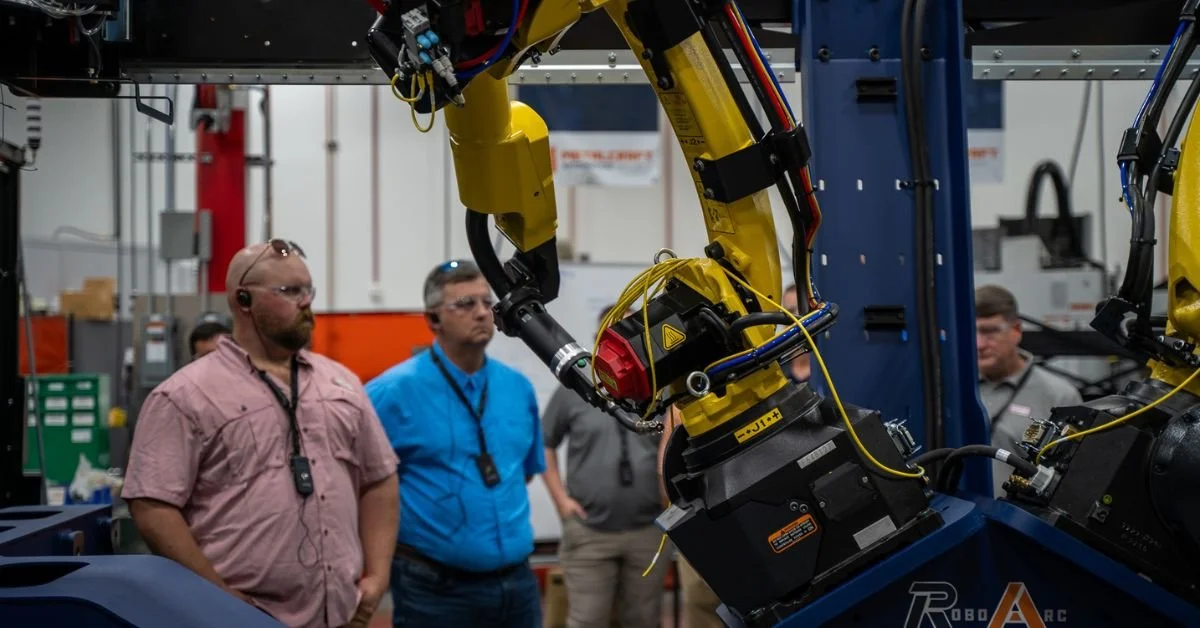
Manufacturers continue to prioritize safety as production demands increase. Welding environments often expose workers to heat, fumes, sparks, and repetitive strain. Modern automation changes how facilities approach these risks by reducing human exposure and improving process control.
Metalcraft Automation Group focuses on delivering advanced systems that address these challenges through engineered automation. Our work in manufacturing automation highlights how safety and productivity can improve together. Understanding the safety advantages of welding automation helps decision-makers evaluate long-term value beyond output.
Why Welding Safety Remains a Critical Concern
Welding operations introduce several hazards that impact worker health and facility safety. High temperatures, ultraviolet radiation, and airborne contaminants create an environment that requires strict controls.
Manual welding also increases variability. Inconsistent technique can lead to defects, rework, and unsafe conditions. Operators must remain in close proximity to these risks throughout the process, which raises the likelihood of injury.
Automation shifts this dynamic by creating distance between workers and hazards while maintaining consistent weld quality.
How Automation Reduces Direct Human Exposure
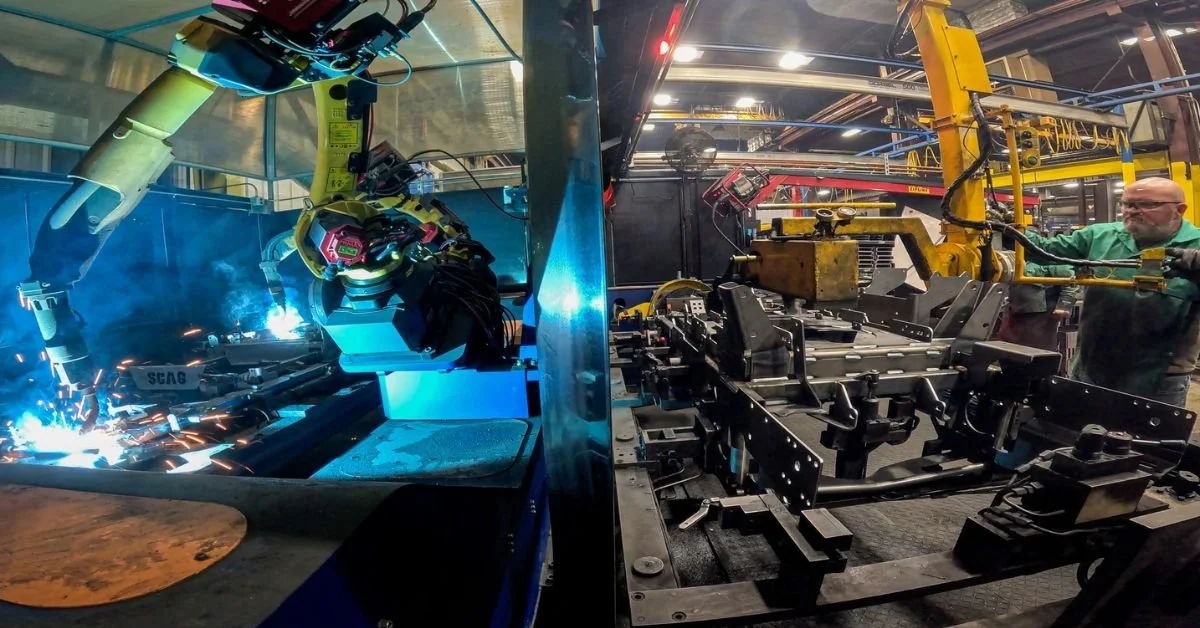
Robotic welding systems take over tasks that traditionally required constant human involvement. Operators no longer need to stand near arcs, molten metal, or harmful fumes for extended periods.
Instead, workers supervise the system from a safe distance. This separation significantly reduces exposure to:
Heat and burns
Welding fumes and gases
Arc flash and radiation
Flying debris and sparks
Reducing exposure lowers both short-term injuries and long-term health risks, which makes automation a strong safety investment.
Improved Air Quality and Fume Control
Welding produces fumes that contain metal particles and gases. Prolonged exposure can lead to respiratory issues and other health concerns.
Automated welding cells often integrate advanced ventilation and extraction systems. These systems capture fumes at the source rather than allowing them to spread throughout the workspace.
Consistent robotic motion also supports predictable fume generation. Engineers can design extraction systems with greater precision, which leads to cleaner air and a healthier environment.
Consistent Weld Quality Minimizes Risk
Manual welding depends heavily on operator skill and endurance. Fatigue, distraction, and variability can result in inconsistent welds.
Automation eliminates many of these variables. Robots follow programmed paths with repeatable precision, ensuring consistent weld penetration and alignment.
Better weld quality reduces the likelihood of structural failure. This matters in industries like aerospace, automotive medical, and heavy equipment manufacturing, where defects can lead to serious safety consequences.
Reduced Risk of Repetitive Strain Injuries
Welding often requires awkward postures, repetitive motion, and prolonged standing. Over time, these factors contribute to musculoskeletal injuries.
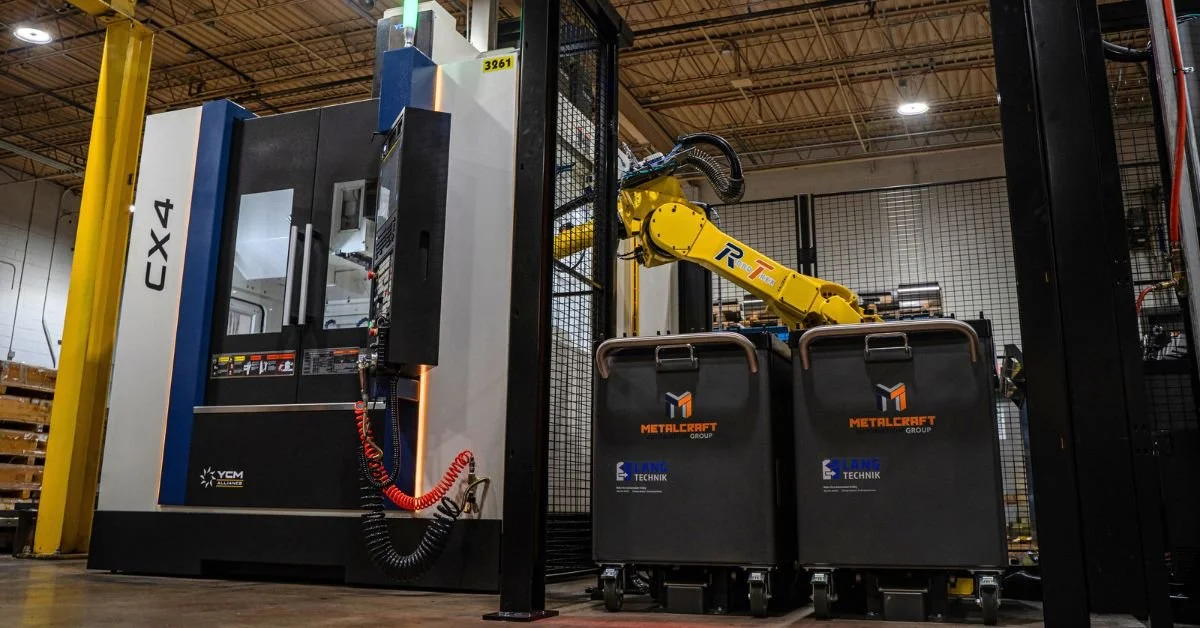
Automation removes the need for workers to perform repetitive welding tasks. Instead, operators focus on monitoring systems, loading parts, and managing production flow.
This shift reduces physical strain and helps prevent long-term injuries. Facilities can maintain a healthier workforce while improving overall efficiency.
Safer Handling of Heavy and Complex Parts
Many welding applications involve large or heavy components. Manual handling increases the risk of strains, drops, and collisions.
Automated systems often include robotic arms, positioners, and conveyors. These tools handle parts with precision and stability, eliminating the need for manual lifting.
Operators no longer need to maneuver bulky components into position. This reduces workplace accidents and creates a more controlled environment.
Enhanced Process Control and Monitoring
Modern welding automation systems use sensors, software, and real-time monitoring. These technologies provide immediate feedback on weld parameters and system performance.
Operators can detect issues early and make adjustments before problems escalate. This level of control improves safety in several ways:
Prevents overheating or equipment failure
Reduces the risk of defective welds
Maintains stable operating conditions
Alerts operators to abnormal behavior
Better visibility into the process allows teams to respond quickly and maintain safe operations.
Controlled Work Environments Reduce Hazards
Automation enables manufacturers to design enclosed welding cells. These cells isolate the welding process from the rest of the facility.
Enclosures help contain sparks, fumes, and noise. They also prevent unauthorized access to active welding areas.
Safety interlocks and barriers ensure that systems stop when someone enters the cell. This layered approach creates a controlled environment that protects both operators and nearby workers.
Integration with Broader Industrial Safety Systems
Welding automation does not operate in isolation. It often integrates with larger industrial automation solutions that manage multiple processes across a facility.
These integrated systems improve safety by coordinating workflows and reducing human error. For example, automated systems can:
Synchronize welding with material handling
Prevent collisions between machines
Control access to hazardous zones
Monitor system-wide performance
This level of coordination strengthens overall safety while supporting efficient production.
Reduced Fire and Explosion Risks
Welding environments carry a risk of fire due to sparks and high temperatures. Manual operations can increase this risk if materials or equipment remain improperly managed.
Automated systems follow consistent procedures and operate within defined parameters. Engineers can design cells to minimize exposure to flammable materials.
Enclosures, sensors, and fire suppression systems add another layer of protection. Together, these features reduce the likelihood of fire-related incidents.
Safer Training and Skill Development
Training new welders in manual environments can introduce safety challenges. Inexperienced workers face a higher risk of injury during the learning process.
Automation shifts the focus of training toward system operation and programming. Workers learn how to manage equipment rather than perform high-risk manual tasks.
This approach creates a safer path for skill development. Teams can build technical expertise without exposing employees to unnecessary hazards.
Data-Driven Safety Improvements
Modern automation systems collect and analyze data from every welding cycle. This data provides insights into performance, efficiency, and safety conditions.
Manufacturers can identify patterns that lead to risk and address them proactively. For example, data can reveal:
Equipment wear that could lead to failure
Variations in weld quality
Environmental conditions affecting safety
Using this information, teams can refine processes and maintain a safer workplace over time.
Supporting a Culture of Safety
Automation does more than reduce physical risks. It also reinforces a culture that prioritizes safety at every level of operation.
When companies invest in safer systems, they demonstrate a commitment to employee well-being. This mindset encourages workers to follow best practices and remain engaged in safety initiatives.
Clear procedures, reliable equipment, and consistent processes all contribute to a workplace where safety becomes part of everyday operations.
Long-Term Safety Benefits for Growing Operations
As production scales, maintaining safety standards becomes more challenging. Manual processes often struggle to keep pace with increased demand without introducing additional risk.
Automation provides a scalable solution. Systems can handle higher volumes without compromising safety or quality.
This consistency allows manufacturers to grow while maintaining a stable and secure work environment. Over time, fewer injuries and improved conditions lead to stronger workforce retention and reduced costs.
Safety as a Core Advantage of Welding Automation
Modern welding automation delivers measurable safety improvements across multiple areas. It reduces exposure to hazards, improves air quality, and eliminates many of the risks associated with manual labor.
Advanced systems also provide consistent quality, real-time monitoring, and integrated safety controls. These features create a controlled environment that protects workers while supporting efficient production.
Manufacturers that adopt automation position themselves for safer, more reliable operations. As technology continues to evolve, safety will remain one of the most compelling reasons to invest in automated welding solutions.