
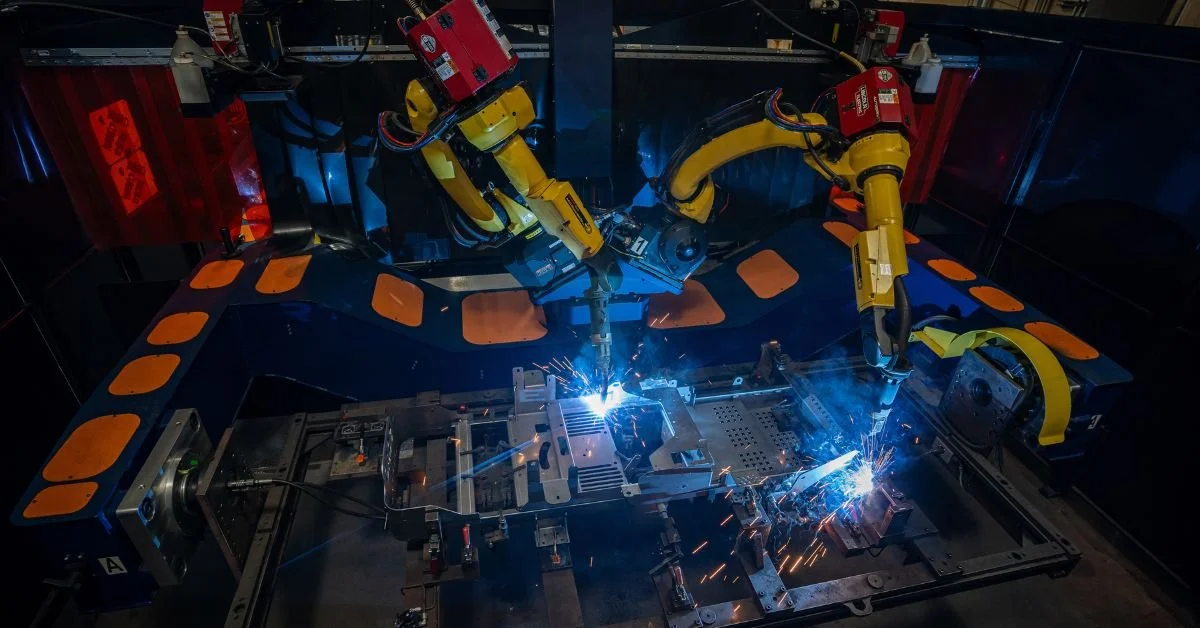
Manufacturers continue to face pressure to increase output, improve consistency, and control labor costs. Welding operations often sit at the center of that challenge because they require precision, repeatability, and skilled labor. Automation offers a practical path forward when companies want to scale without sacrificing quality.
Here we explain how to automate your welding process efficiently. We will break down key decisions, technologies, and implementation steps so you can move forward with confidence.
Why Welding Automation Matters in Modern Manufacturing
Welding automation delivers measurable improvements across production environments. It reduces variability, increases throughput, and minimizes rework.
Many manufacturers struggle with labor shortages and inconsistent weld quality. Automation addresses both issues by standardizing the process and reducing reliance on manual skill. Companies that invest in manufacturing automation often see faster cycle times and improved part consistency.
Automation also creates safer work environments. Robots handle repetitive or hazardous welding tasks, which reduces operator exposure to fumes and heat.
Identify Processes That Benefit Most From Automation
Not every welding operation requires automation. You should evaluate your current workflow before investing in equipment.
High-volume and repeatable jobs provide the best return. If your team produces the same weld repeatedly, automation can significantly improve efficiency. Complex geometries can also benefit when robots maintain consistent torch positioning.
Low-volume or highly variable jobs may not justify full automation. In those cases, semi-automated solutions can still improve productivity without requiring a full system overhaul.
Understand the Types of Welding Automation Systems
You can choose from several types of automation depending on your production needs. Each option offers different levels of flexibility and control.
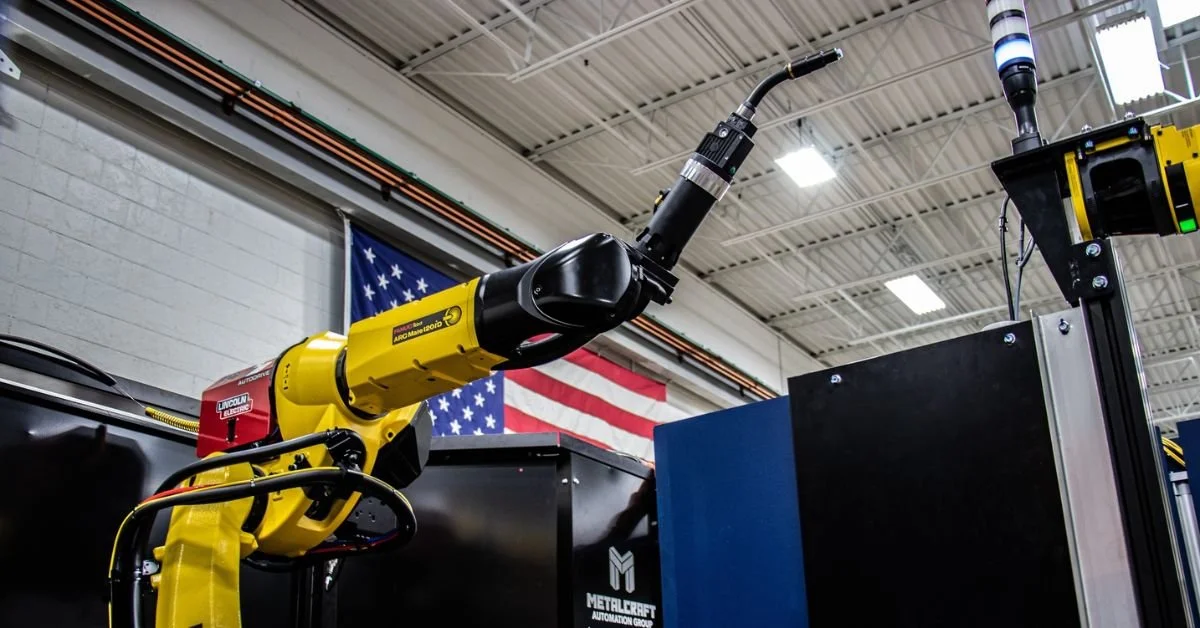
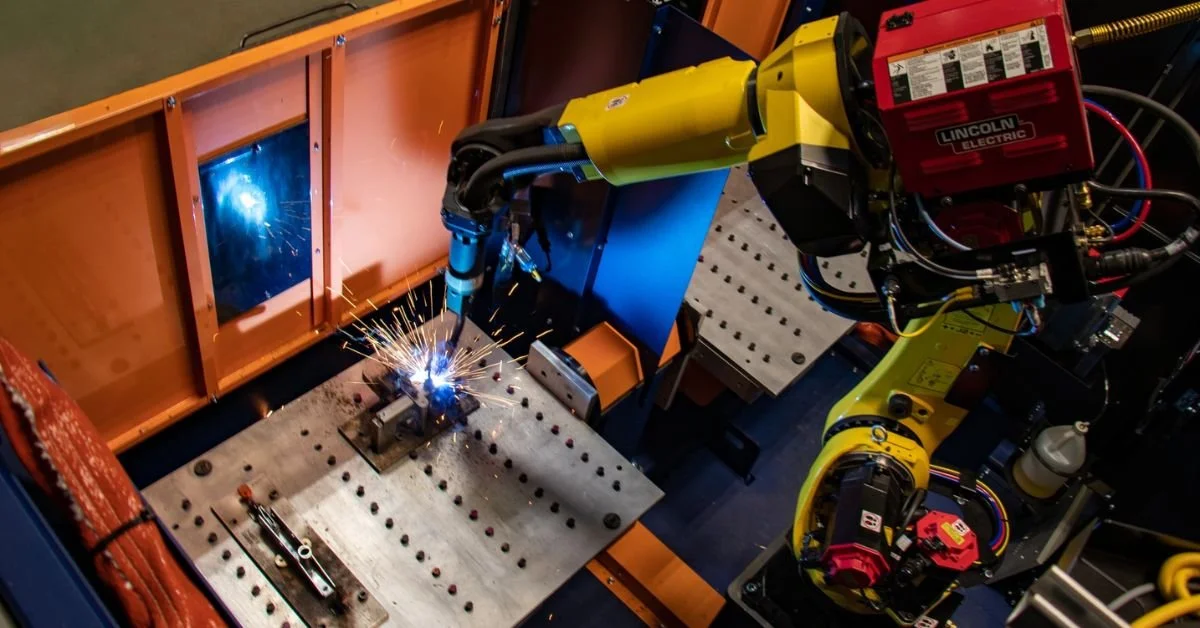
Robotic welding systems provide the highest level of automation. These systems use programmable arms to execute precise weld paths. They work well in high-volume environments.
Fixed automation systems rely on dedicated tooling and fixtures. They perform specific welds repeatedly with minimal variation. These systems offer speed but less flexibility.
Collaborative robots, or cobots, allow operators to work alongside automation safely. They provide a flexible option for smaller shops or mixed production environments.
Evaluate Your Current Workflow and Bottlenecks
You need a clear understanding of your current process before implementing automation. Start by mapping out each step in your welding workflow.
Look for bottlenecks that slow production. These may include manual setup times, inconsistent weld quality, or operator fatigue. Identifying these issues helps you determine where automation delivers the most value.
Data plays an important role here. Track cycle times, defect rates, and labor hours. This information will guide your automation strategy and help measure success after implementation.
Select the Right Equipment and Technology
Choosing the right equipment determines the success of your automation project. You should align your selection with your production goals and part requirements.
Consider the type of welding you perform, such as MIG, TIG, or spot welding. Each process may require different robotic configurations and power sources.
You also need to evaluate fixtures and tooling. Proper fixturing ensures consistent part positioning, which directly impacts weld quality. Advanced sensors and vision systems can further improve accuracy.
Integration matters as well. Your welding system should connect seamlessly with upstream and downstream processes to maintain efficiency across the production line.
Plan for System Integration and Layout
A well-planned layout improves efficiency and minimizes disruptions. You should design your automation cell with workflow in mind.
Position equipment to reduce unnecessary movement. Optimize material flow so parts move smoothly through each stage of production. This approach reduces handling time and increases throughput.
Safety remains a top priority. Install appropriate guarding, sensors, and emergency stops to protect operators. Even collaborative systems require proper risk assessment and planning.
You should also consider future scalability. Design your layout so you can expand or modify the system as production demands change.
Train Your Team for Automation Success
Automation does not eliminate the need for skilled workers. It changes how they contribute to the process.
Operators must understand how to program, monitor, and maintain automated systems. Training ensures your team can troubleshoot issues and keep production running smoothly.
You should also involve employees early in the transition. This approach builds confidence and reduces resistance to change. When workers understand the benefits, they are more likely to support automation initiatives.
Cross-training can further improve flexibility. A team that understands multiple aspects of the system can adapt quickly to production changes.
Optimize Programming and Welding Parameters
Programming plays a critical role in automated welding. You need to define precise paths, speeds, and parameters for each weld.
Fine-tuning these settings improves both efficiency and quality. Incorrect parameters can lead to defects, rework, and wasted materials.
You should test and validate programs before full-scale production. Run sample parts and inspect welds carefully. Adjust parameters as needed to achieve the desired results.
Continuous optimization helps maintain performance over time. Regular reviews ensure your system adapts to changes in materials, part design, or production volume.
Maintain Equipment for Long-Term Efficiency
Maintenance ensures your automation system operates at peak performance. Neglecting maintenance can lead to downtime and costly repairs.
You should establish a routine maintenance schedule. This schedule should include inspections, cleaning, and replacement of worn components.
Key maintenance tasks include:
Inspect welding torches and replace consumables regularly
Check robot calibration and alignment
Clean sensors and vision systems for accuracy
Monitor power sources and electrical connections
Review software updates and system diagnostics
Preventive maintenance reduces unexpected failures and extends the life of your equipment.
Scale and Adapt Your Automation Strategy
Automation should evolve with your business. As production demands change, your system should adapt accordingly.
You can scale by adding additional robots or expanding existing cells. Modular systems make it easier to grow without major disruptions.
Flexibility remains important. Choose solutions that allow quick reprogramming and changeovers. This capability helps you respond to new product lines or shifting market demands.
Continuous improvement should guide your strategy. Regular evaluations ensure your automation system continues to deliver value.
Common Challenges and How to Overcome Them
Automation projects often face challenges, especially during initial implementation. Understanding these challenges helps you prepare and respond effectively.
High upfront costs can create hesitation. However, long-term savings and productivity gains often outweigh initial investments. Careful planning and ROI analysis can support decision-making.
Integration issues may arise when connecting new systems with existing equipment. Working with experienced automation providers can simplify this process.
Resistance to change can also slow adoption. Clear communication and training help teams transition more smoothly.
Partner With Experts for Better Results
Working with an experienced automation partner can accelerate your success. Expert teams understand how to design, build, and implement systems that align with your goals.
They can assess your current process, recommend solutions, and provide ongoing support. This guidance reduces risk and ensures a smoother transition.
Metalcraft Automation Group specializes in designing and supporting turnkey automation systems for welding and other manufacturing processes. Our expertise helps manufacturers implement solutions that improve efficiency and scalability.
Efficient Welding Automation
Automating your welding process requires careful planning and a commitment to continuous improvement. When executed correctly, automation delivers consistent quality, increased throughput, and long-term cost savings.
Start by evaluating your current workflow and identifying opportunities for improvement. Choose equipment that aligns with your production needs and invest in training and maintenance to support long-term success.
Automation does not replace expertise. It enhances it. When you combine skilled teams with the right technology, you create a welding process that operates efficiently and scales with your business.