
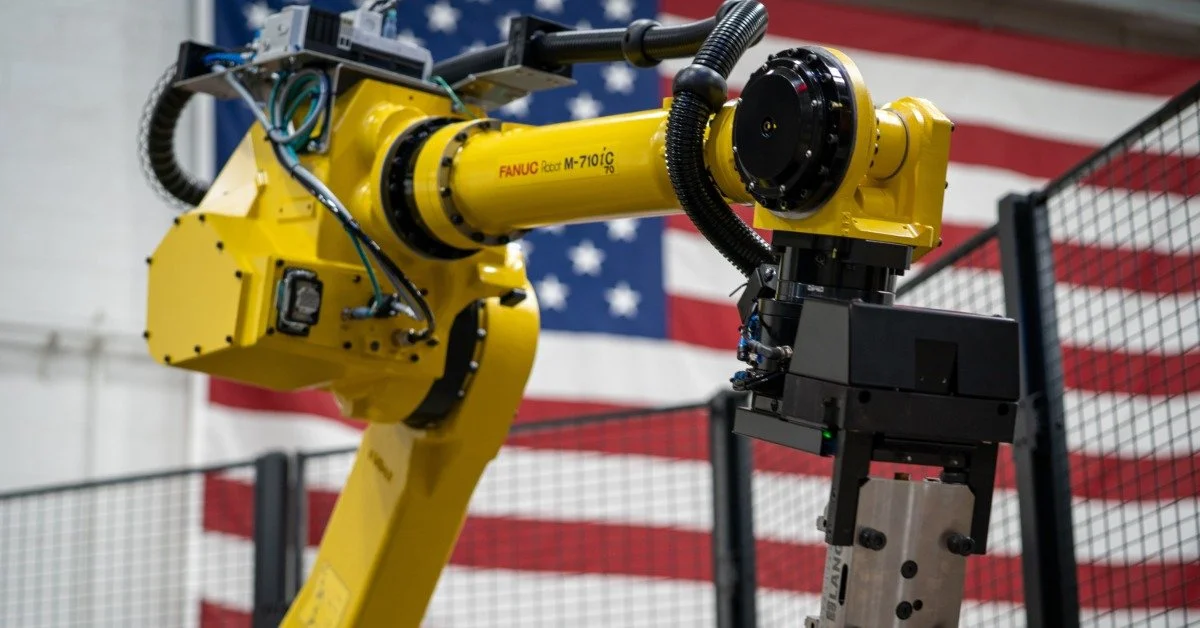
Manufacturers continue to face growing pressure to increase production, control labor costs, and maximize equipment utilization. At the same time, many machine shops struggle to find enough skilled operators to keep CNC machines running around the clock. These challenges have pushed many companies to explore lights-out manufacturing strategies.
Lights-out CNC operations allow machines to run unattended during evenings, weekends, and other periods when employees are not on the shop floor. However, successful unattended machining requires more than a CNC machine alone. Manufacturers need reliable automation systems that can load parts, unload finished components, manage production flow, and maintain consistency without constant human involvement.
RoboTrex helps manufacturers achieve these lights-out goals by automating machine tending tasks and creating a dependable pathway toward lights-out production.
What Is Lights-Out CNC Manufacturing?
Lights-out manufacturing refers to production that continues without direct human supervision. The term comes from the idea that facility lights can remain off because operators do not need to be present during production.
In CNC environments, lights-out operations allow machines to continue producing parts after shifts end. Instead of sitting idle overnight, equipment remains productive and generates additional output.
Manufacturers often use lights-out production to:
Increase spindle uptime
Expand production capacity
Reduce labor-related bottlenecks
Improve equipment utilization
Meet growing customer demand
Successful implementation requires dependable automation that can perform repetitive tasks accurately for extended periods.
Why Machine Tending Matters for Unattended Production
Machine tending represents one of the most critical components of lights-out manufacturing.
Operators traditionally spend significant time loading raw material, unloading finished parts, opening machine doors, and initiating machining cycles. When operators leave for the day, these tasks stop. As a result, expensive CNC equipment remains idle.
Robotic machine tending eliminates this limitation. A robotic system can perform these repetitive actions continuously and consistently, allowing production to continue long after normal working hours.
Without automated machine tending, true lights-out manufacturing becomes difficult to achieve.
How RoboTrex Automates CNC Machine Tending
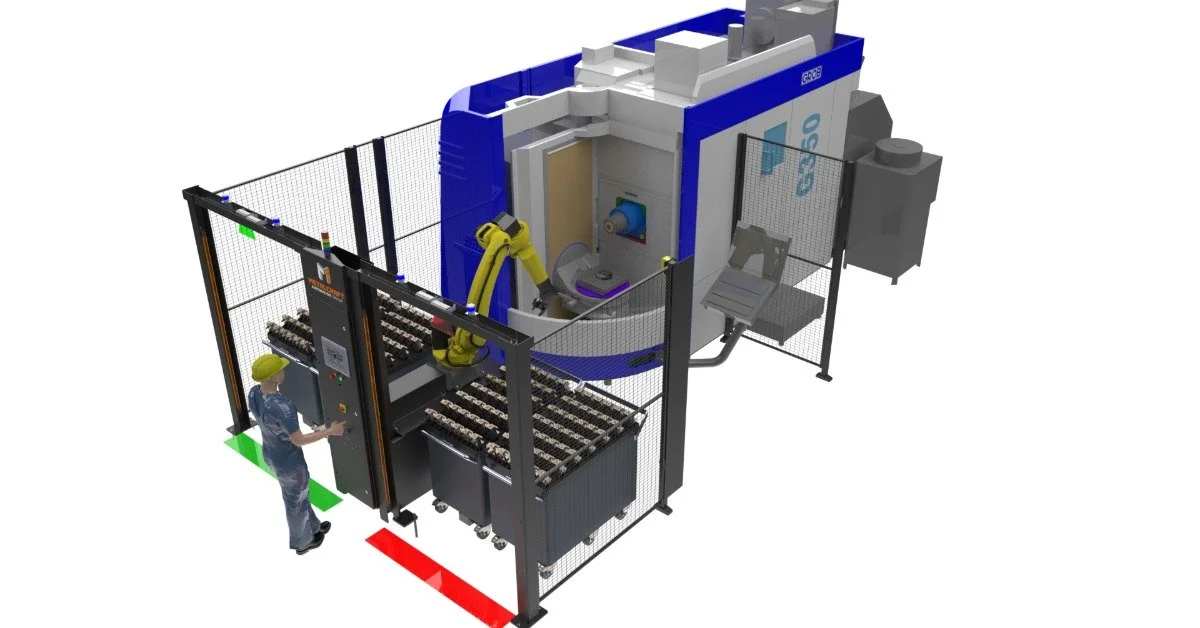
RoboTrex serves as a robotic machine tending solution designed specifically for CNC environments. The system automates the movement of parts between storage locations and machine tools.
A RoboTrex CNC machine tending robot can load raw materials, unload finished components, and manage the repetitive handling processes that often consume operator time.
By automating these tasks, manufacturers free employees to focus on higher-value responsibilities while machines continue producing parts with minimal interruption.
The result is a more efficient workflow that supports both attended and unattended production schedules.
Increasing Machine Utilization Rates
Many manufacturers invest heavily in CNC equipment but fail to maximize machine utilization.
A machine that runs only during a single shift leaves substantial production capacity unused. Even facilities operating multiple shifts often experience downtime between shift changes, breaks, and staffing transitions.
RoboTrex helps reduce these interruptions by keeping machines supplied with material and ready for continuous operation.
When a robotic tending system consistently loads and unloads parts, CNC equipment spends more time cutting material and less time waiting for operator intervention.
Higher machine utilization often leads directly to increased throughput and stronger return on equipment investments.
Supporting Overnight Production
One of the most significant advantages of RoboTrex involves its ability to support overnight machining operations.
Instead of shutting down equipment at the end of a workday, manufacturers can schedule production runs that continue throughout the night. The robotic system handles part transfers while CNC machines perform machining operations according to programmed instructions.
This approach effectively creates additional production hours without requiring additional shifts.
Many shops discover that overnight production helps them complete more work using existing equipment rather than investing immediately in additional machines.
Reducing Labor Constraints
Labor shortages continue to affect manufacturers across many industries.
Finding experienced CNC operators remains challenging for machine shops of all sizes. Even when companies successfully recruit workers, staffing multiple shifts can become difficult and expensive.
RoboTrex helps manufacturers reduce dependence on constant manual machine tending.
Rather than assigning employees to repetitive loading and unloading tasks, shops can allocate skilled workers to programming, setup, quality control, process optimization, and other critical responsibilities.
Automation does not replace expertise. Instead, it allows companies to use their skilled workforce more efficiently.
Maintaining Consistent Part Handling
Consistency plays a major role in successful lights-out manufacturing.
Human operators perform repetitive tasks well, but fatigue, distractions, and workload variations can introduce inconsistencies. During unattended production, manufacturers need confidence that every part will move through the process correctly.
Robotic systems excel at repeatable motion and precise positioning.
RoboTrex performs the same programmed actions repeatedly without variation. This consistency helps support stable production processes and predictable machine operation during extended production runs.
Reliable part handling becomes especially important when manufacturers run complex or high-volume jobs overnight.
Improving Production Flexibility
Many machine shops handle a wide range of customer requirements. Production schedules often change quickly based on demand, delivery deadlines, and incoming orders.
Flexible automation helps manufacturers adapt to these changing conditions.
RoboTrex supports lights-out production while also accommodating normal daytime operations. Manufacturers can run attended production when necessary and transition to unattended operation when opportunities arise.
This flexibility allows shops to maximize productivity across different job types and production schedules.
Instead of creating a rigid workflow, robotic machine tending supports a more adaptable manufacturing environment.
Enhancing Equipment Return on Investment
CNC machines represent major capital investments.
When equipment sits idle for long periods, manufacturers fail to capture the full value of that investment. Every unused hour represents lost production potential.
Lights-out operations help companies extract greater value from existing machinery.
By enabling unattended production, RoboTrex allows equipment to generate output during hours that would otherwise remain unproductive. Increased machine utilization often helps manufacturers achieve faster returns on automation and machining investments.
Many organizations find that expanding machine operating hours provides a more cost-effective solution than purchasing additional equipment.
Supporting Scalable Growth
Growth creates new challenges for manufacturers.
As production volumes increase, companies must determine how to meet demand without dramatically increasing labor costs or floor space requirements. Automation provides a scalable path forward.
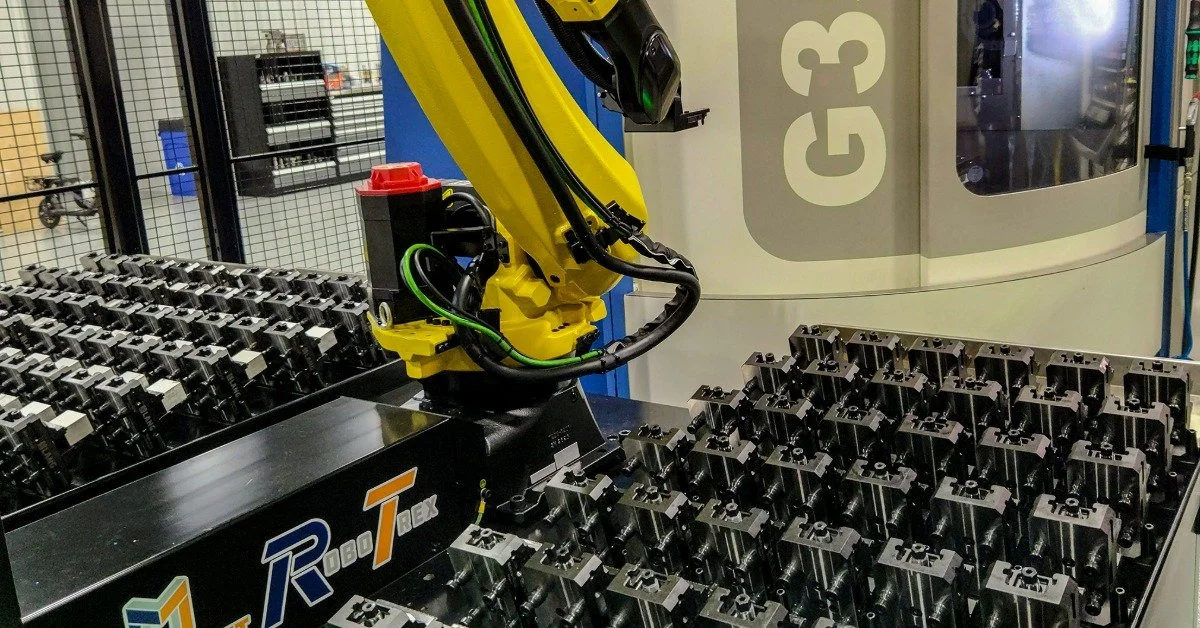
RoboTrex allows manufacturers to expand production capacity by increasing machine operating hours rather than immediately adding new shifts or facilities. This capability helps companies grow efficiently while maintaining operational control.
Scalable automation becomes particularly valuable when customer demand fluctuates or expands unexpectedly.
Improving Shop Floor Efficiency
Lights-out manufacturing affects more than machine utilization alone.
When robotic systems handle repetitive tending activities, overall shop floor efficiency often improves. Operators spend less time moving parts and more time performing tasks that require technical knowledge and decision-making.
Production workflows become more streamlined because machines experience fewer delays between cycles.
As efficiency improves, manufacturers can often process more work with the resources they already have available.
What To Consider Before Implementing Lights-Out Operations
Lights-out production offers substantial advantages, but successful implementation requires preparation.
Manufacturers should evaluate part consistency, machining reliability, tooling requirements, quality control procedures, and automation integration requirements before launching unattended production.
They should also identify processes that currently create bottlenecks or require excessive operator involvement.
A well-planned automation strategy helps ensure smooth implementation and reliable long-term performance.
Working with experienced automation providers can help manufacturers identify opportunities and develop solutions that align with production goals.
The Future of Lights-Out CNC Manufacturing
The demand for greater productivity, improved efficiency, and stronger competitiveness continues to drive automation adoption throughout manufacturing.
Lights-out CNC operations allow manufacturers to maximize equipment utilization, increase throughput, and reduce labor constraints without sacrificing production quality. Achieving these benefits requires reliable machine tending automation that can perform consistently during unattended operation.
RoboTrex for Efficiency
RoboTrex helps manufacturers move toward this objective by automating critical machine tending tasks and supporting continuous production schedules. As more companies seek ways to do more with existing resources, robotic machine tending will continue to play an increasingly important role in modern CNC manufacturing environments.
For machine shops looking to increase productivity and unlock additional capacity, lights-out manufacturing supported by RoboTrex presents a practical and effective path forward.