
Manufacturers continue to face pressure to increase production, reduce downtime, and stay competitive in changing markets. Many companies want automation, but they also need flexibility. Traditional automation systems often require major redesigns when production demands shift, which can increase costs and slow operations.
Modular automation systems solve many of these challenges by creating flexible, scalable production environments. Instead of building one large fixed system, manufacturers can combine smaller automation modules that work together. This approach helps businesses adapt faster while improving efficiency and productivity.
Companies across industries now use modular systems to improve machine tending, welding, finishing, assembly, and material handling processes. As automation technology advances, modular systems continue to offer practical advantages for both growing manufacturers and established operations.
What Is a Modular Automation System?
A modular automation system uses separate automation components that function independently while connecting into a larger system. Each module handles a specific process or task within production.
Manufacturers can add, remove, or reconfigure modules based on operational needs. These systems often include robotic cells, conveyors, sensors, tooling, software controls, and machine interfaces.
Unlike fixed automation setups, modular systems allow production lines to evolve over time. This flexibility helps companies respond to customer demands, product changes, and market shifts without rebuilding entire operations.
Why Manufacturers Choose Modular Automation
Manufacturers rarely operate in static environments. Production schedules change, customer requirements shift, and labor challenges continue to impact operations.
Modular automation supports long-term adaptability. Companies can start with a smaller system and expand later as production needs grow. This approach reduces upfront investment while creating a pathway for future expansion.
Manufacturers also gain more control over production planning because modular systems allow phased implementation instead of large-scale facility overhauls.
Scalability Supports Business Growth
One of the biggest advantages of modular automation involves scalability. Manufacturers can expand production capacity without replacing existing systems.
When production increases, companies simply add additional modules or robotic cells. This process often requires less downtime and lower installation costs compared to rebuilding an entire automation line.
Scalable systems also help manufacturers manage financial risk. Businesses avoid oversized investments by purchasing automation in stages instead of committing to large fixed systems immediately.
This flexibility makes modular automation especially attractive for growing machine shops and manufacturers with fluctuating production volumes.
Faster Installation Reduces Production Disruptions
Traditional automation systems often require lengthy installation timelines. Large-scale implementations can disrupt production schedules and create operational bottlenecks.
Modular systems simplify installation because many components arrive pre-engineered and pre-tested. Integrators can install modules individually while other production areas remain operational.
Faster deployment helps manufacturers reduce downtime during automation upgrades. Companies can begin realizing productivity improvements sooner while minimizing interruptions to customer orders.
This streamlined implementation process often improves project timelines and overall operational efficiency.
Easier System Upgrades Improve Longevity
Manufacturing technology evolves quickly. Equipment, robotics, and software continue to improve every year.
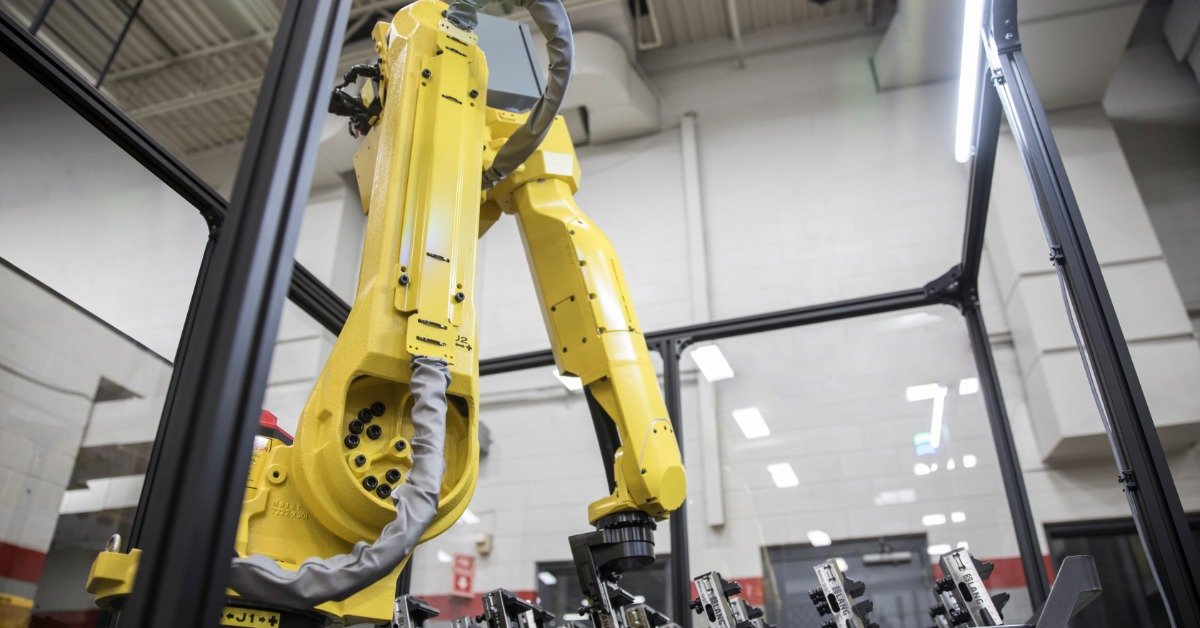
Fixed automation systems may become outdated because upgrading one section often requires changes across the entire line. Modular systems simplify modernization efforts because companies can replace or upgrade individual modules without redesigning the full operation.
Manufacturers can adopt new robotics, software, or tooling while maintaining the rest of the system. This flexibility extends the useful life of automation investments and helps businesses stay competitive longer.
Companies also gain access to emerging technologies without committing to complete system replacement projects.
Modular Systems Improve Production Flexibility
Many manufacturers produce multiple product lines or custom parts. Fixed automation systems may struggle to support changing production requirements efficiently.
Modular automation systems allow faster adjustments between production runs. Operators can reconfigure modules, tooling, or robotic tasks based on the products being manufactured.
This flexibility helps manufacturers respond to:
Changing customer demands
Seasonal production shifts
New product introductions
Custom manufacturing requirements
Fluctuating order volumes
Flexible production environments allow manufacturers to remain competitive in industries where adaptability matters.
Reduced Downtime Increases Productivity
Downtime creates major operational challenges for manufacturers. When one section of a fixed automation system fails, the entire production line may stop.
Modular systems help isolate problems more effectively. Individual modules can undergo maintenance or repairs while other sections continue operating.
This separation reduces widespread disruptions and improves overall uptime. Maintenance teams can troubleshoot smaller sections more efficiently because each module operates independently.
Manufacturers benefit from higher productivity levels and more consistent production schedules.
Simplified Maintenance Supports Efficiency
Maintenance complexity often increases as automation systems become larger and more interconnected.
Modular automation simplifies maintenance by dividing systems into manageable sections. Technicians can focus on specific modules instead of troubleshooting entire production lines.
Many modular systems also use standardized components, which simplifies spare parts management and technician training.
Predictive maintenance strategies become easier to implement because operators can monitor individual modules separately. This visibility helps identify performance issues before they cause production failures.
Simplified maintenance procedures support long-term operational reliability and reduce service costs.
Improved Space Utilization Maximizes Facility Layouts
Facility space remains valuable for manufacturers. Large fixed automation systems may limit future layout adjustments or expansion opportunities.
Modular systems allow manufacturers to optimize floor space more effectively. Companies can arrange modules based on workflow requirements while leaving room for future growth.
This flexibility benefits facilities with limited square footage or evolving production needs.
Manufacturers can also relocate or rearrange modules as workflows change. This adaptability supports lean manufacturing strategies and improved operational efficiency.
Better Risk Management for Automation Investments
Large automation projects often involve significant financial risk. Companies may hesitate to invest heavily when production forecasts remain uncertain.
Modular automation lowers investment risk by supporting phased implementation. Manufacturers can automate one process at a time instead of committing to full-facility automation immediately.
This gradual approach allows businesses to evaluate performance, train employees, and refine workflows before expanding automation further.
Phased implementation also helps companies manage budgets more effectively while maintaining operational stability during growth periods.
Modular Automation Supports Multiple Industries
Many industries benefit from modular automation because production demands vary widely across manufacturing sectors.
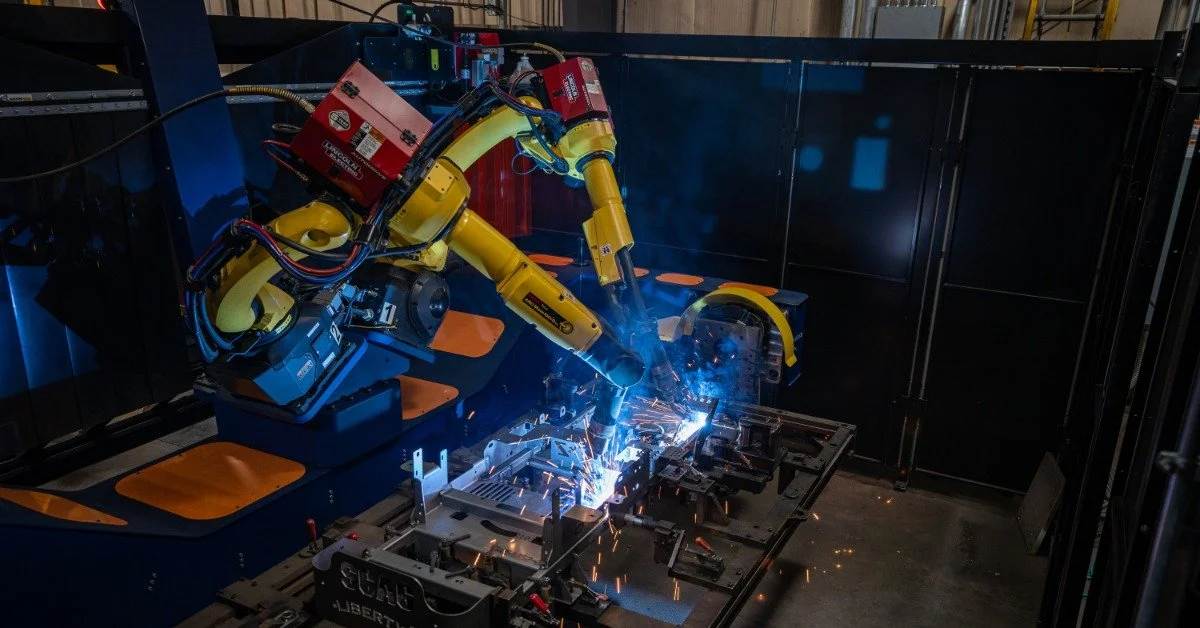
Machine shops often use modular robotic cells for CNC machine tending and material handling. Welding operations use modular robotic welding stations to improve consistency and throughput.
Manufacturers in aerospace, medical, firearms, and industrial equipment sectors also use modular systems to support changing production requirements and product variations.
As more businesses invest in industrial automation solutions, modular system design continues to gain popularity because it supports long-term operational flexibility naturally within evolving manufacturing environments.
Modular Automation Helps Future-Proof Manufacturing Operations
Manufacturing environments continue to evolve because customer expectations, technology, and supply chains constantly change.
Modular automation provides long-term adaptability that helps companies prepare for future operational demands. Manufacturers can expand systems, integrate new technologies, and adjust workflows without rebuilding entire facilities.
This flexibility supports sustainable growth and continuous improvement strategies.
Businesses that invest in adaptable automation systems often position themselves more effectively for future market changes while maintaining operational efficiency.
Choosing the Right Modular Automation Partner
Successful automation projects depend heavily on proper system design and integration expertise. Manufacturers should work with automation providers that understand both current operational needs and future scalability goals.
Experienced automation partners help companies evaluate workflows, identify automation opportunities, and design systems that support long-term growth.
Providers that offer engineering, installation, training, and ongoing support can help manufacturers maximize the value of their automation investments.
A well-designed modular system creates operational flexibility while supporting productivity, reliability, and business growth over time.
Modular automation continues to reshape manufacturing because flexibility now matters as much as efficiency. Companies that adopt scalable automation strategies often gain stronger operational control, better adaptability, and improved long-term competitiveness in rapidly changing industries.