Manufacturers continue to face pressure from labor shortages, rising production demands, and tighter delivery schedules. Automation helps companies improve efficiency, reduce downtime, and maintain consistent output across operations. Many manufacturers now compare pre-engineered automation and custom automation before making an investment.
Automation decisions often affect productivity, scalability, staffing, and long-term growth. Manufacturers that understand the tradeoffs between standardized systems and tailored solutions can make smarter investments.
What Is Pre-Engineered Automation?
Pre-engineered automation uses standardized systems designed to solve common manufacturing challenges. Manufacturers often deploy these systems quickly because providers already developed, tested, and refined the equipment.
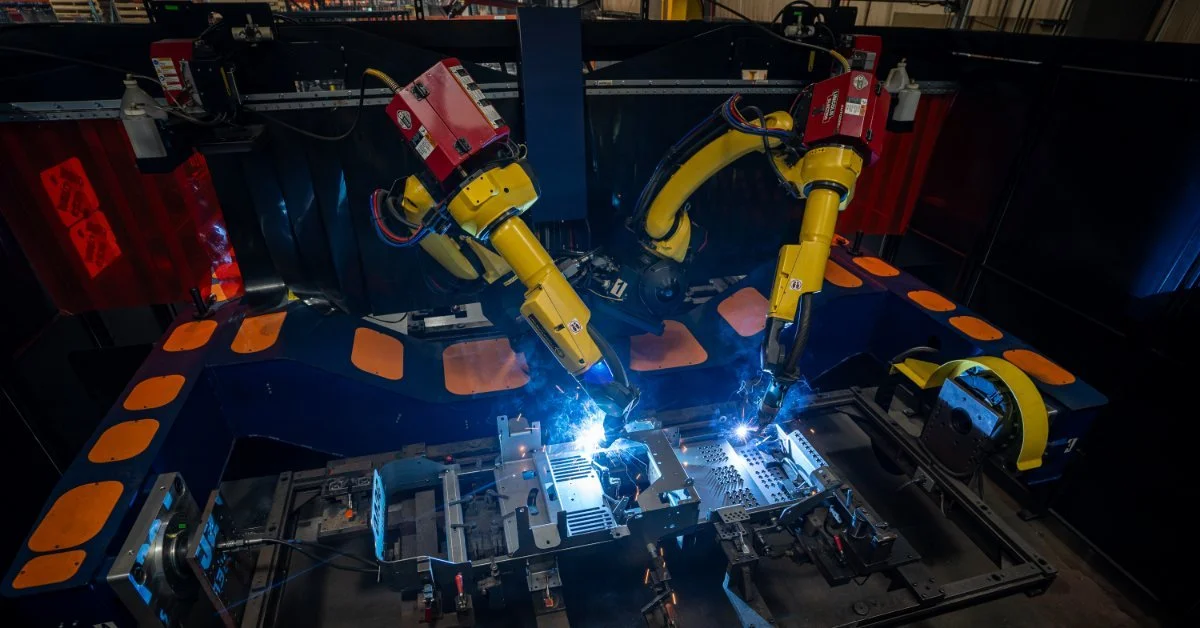
Many companies use pre-engineered systems for repetitive production processes like robotic machine tending, loading, unloading, welding, or material handling. Providers usually offer configurable features that allow customers to adapt the system to specific production environments without redesigning the entire platform.
What Is Custom Automation?
Custom automation uses equipment designed specifically for a manufacturer’s workflow, production goals, and facility layout. Engineers create these systems from the ground up to address unique operational requirements.
Custom systems often support highly specialized production lines, uncommon part geometries, or complex manufacturing processes. Companies with unique workflows may need features that standard systems cannot provide.
A custom automation project usually involves detailed planning, engineering reviews, prototyping, programming, testing, and installation. Because the system supports exact operational goals, manufacturers gain more flexibility and control over the final solution.
How Deployment Speed Differs Between the Two Options
Deployment timelines often influence automation decisions. Pre-engineered automation systems usually offer faster implementation because manufacturers work from an existing design.
Custom automation requires more planning and development. Engineering teams must evaluate workflows, create system designs, test integrations, and optimize performance before installation. These additional steps increase project timelines.
Manufacturers that prioritize speed often benefit from pre-engineered systems. Companies with highly specialized production goals may accept longer timelines in exchange for greater customization.
Comparing Upfront Costs
Cost plays a major role in automation planning. Pre-engineered automation systems generally cost less upfront because suppliers spread development costs across multiple customers.
Standardized platforms reduce engineering hours, simplify sourcing, and shorten installation timelines. Manufacturers can often estimate budgets more accurately because pricing structures remain consistent.
Custom automation typically requires higher initial investment. Engineering teams must design the system specifically for the application, which increases labor and development costs. Specialized components and unique integrations may also raise expenses.
However, upfront cost alone does not determine long-term value. Manufacturers should evaluate operational efficiency, scalability, maintenance needs, and productivity improvements before choosing a solution.
Flexibility and Scalability in Manufacturing
Manufacturing operations evolve over time. Companies often introduce new product lines, production goals, or process improvements. Automation systems should support future growth whenever possible.
Pre-engineered systems usually offer moderate flexibility. Many suppliers provide configurable features that allow manufacturers to adapt the system to changing needs. Companies can often expand production capacity by adding additional modules or workstations.
Custom automation provides greater flexibility because engineers build the system around specific workflows and future objectives. Manufacturers can include advanced integrations, custom tooling, and specialized production capabilities during development.
Businesses with stable production requirements may benefit from standardized systems. Companies that expect significant process changes or product variation often gain more value from custom automation.
Maintenance and Technical Support Considerations
Maintenance affects long-term system performance and operational reliability. Manufacturers should evaluate service requirements before investing in automation.
Pre-engineered automation systems often simplify maintenance because technicians already understand the platform. Suppliers usually maintain spare parts inventories, documentation, and standardized support procedures.
Training also becomes easier because operators work with familiar interfaces and workflows. Manufacturers can often reduce downtime through faster troubleshooting and readily available replacement components.
Custom automation systems may require specialized support because the equipment includes unique configurations or proprietary programming. Maintenance teams may need additional training to manage the system effectively.
Despite these challenges, custom systems can still provide excellent reliability when manufacturers partner with experienced automation providers that offer long-term support.
Which Option Works Better for Small and Mid-Sized Manufacturers?
Small and mid-sized manufacturers often face budget limitations and staffing constraints. Many companies in this category prioritize fast implementation, lower upfront costs, and simple operation.
Pre-engineered automation frequently aligns with these goals. Manufacturers can improve productivity without managing long development cycles or large engineering projects.
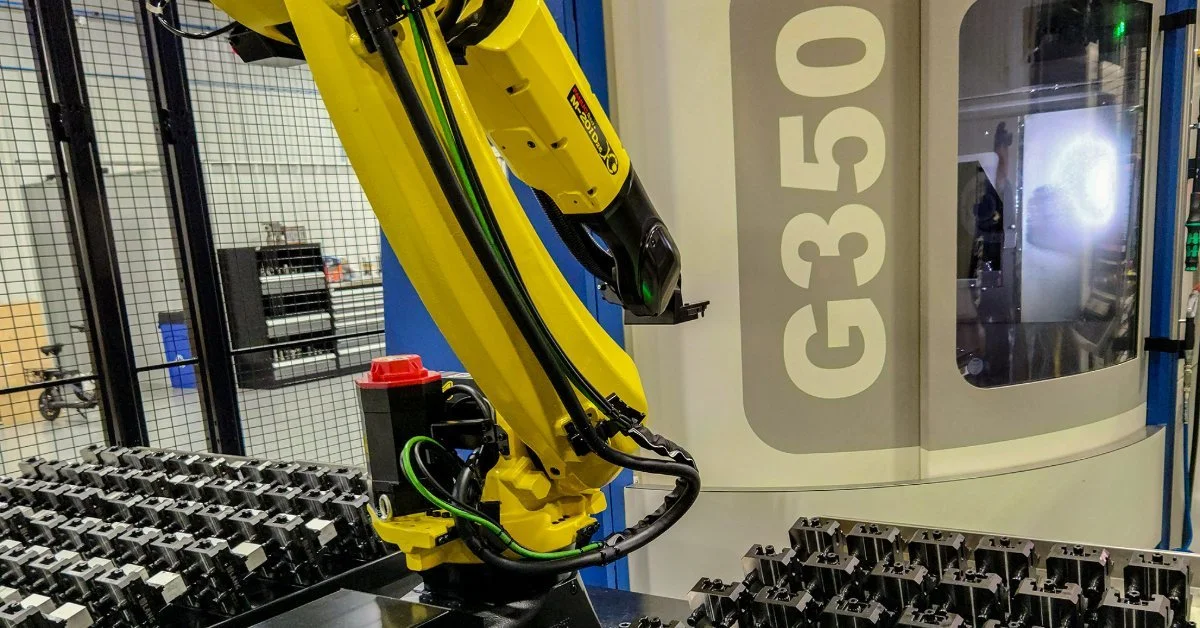
For example, a shop that wants robotic machine tending may benefit from a standardized platform that integrates quickly with existing equipment. Some companies also explore CNC automation solutions that improve machine utilization while reducing manual labor demands.
Custom automation can still benefit smaller manufacturers when specialized production requirements create bottlenecks that standardized systems cannot solve. In these cases, a tailored solution may generate stronger long-term returns.
Production Complexity Often Determines the Best Choice
Production complexity plays a major role in automation strategy. Manufacturers with straightforward processes often gain strong results from pre-engineered systems.
These operations usually involve predictable workflows, standard part sizes, and repetitive production cycles. A proven automation platform can improve efficiency without requiring extensive customization.
Complex manufacturing environments may need custom automation instead. Companies that produce highly specialized components or manage multiple production variations often require unique tooling, software integration, or workflow controls.
Manufacturers should evaluate these factors before selecting a solution:
Product variation and part complexity
Required production speed
Integration with existing equipment
Available floor space
Long-term scalability goals
Operator training requirements
Understanding operational complexity helps companies identify which approach supports both current production and future growth.
Integration With Existing Equipment Matters
Automation systems rarely operate in isolation. Most manufacturers need automation that integrates with existing machinery, software, and workflows.
Pre-engineered automation systems often support common equipment configurations and industry-standard interfaces. Suppliers usually design these platforms to work with widely used manufacturing technologies.
However, compatibility challenges may still appear when facilities use older machinery or highly customized equipment.
Custom automation provides greater control over integrations. Engineers can design communication protocols, material flow systems, safety controls, and production sequencing around the manufacturer’s existing environment.
This flexibility becomes especially important for facilities with specialized workflows or legacy equipment that standard systems cannot support easily.
Long-Term Return on Investment
Manufacturers should evaluate automation as a long-term investment rather than a short-term purchase. Return on investment depends on productivity improvements, labor savings, quality consistency, and reduced downtime.
Pre-engineered systems often deliver faster returns because manufacturers deploy them quickly and reduce upfront costs. Companies can begin improving production efficiency sooner.
Custom automation may require more time to generate returns because development costs and implementation timelines increase the initial investment. However, tailored systems can produce significant long-term value when they solve complex production challenges or support high-volume operations.
Manufacturers should compare total operational impact rather than focusing only on purchase price.
Industry Experience Makes a Difference
Automation success depends heavily on the provider’s expertise. Experienced automation companies understand manufacturing workflows, production bottlenecks, and integration challenges.
Providers with strong engineering capabilities can help manufacturers identify the right balance between standardization and customization. Some operations benefit from a fully tailored solution, while others achieve excellent results with configurable pre-engineered platforms.
Manufacturers should evaluate several factors before choosing an automation partner:
Engineering Capabilities
A strong automation provider should understand robotics, controls, safety systems, software integration, and production workflows. Broad engineering knowledge helps ensure reliable system performance.
Support and Training
Long-term support plays a major role in operational success. Manufacturers should work with providers that offer installation assistance, operator training, troubleshooting, and maintenance support.
Industry Experience
Automation requirements vary across industries like aerospace, medical manufacturing, machining, and metal fabrication. Providers with relevant industry knowledge can often identify more effective solutions.
Scalability Planning
Manufacturers should also consider future expansion during the planning process. A strong provider helps companies build automation strategies that support long-term growth.
Choosing the Right Automation Strategy
No single automation approach works for every manufacturer. The right solution depends on production goals, operational complexity, available budget, and long-term plans.
Pre-engineered automation works well for manufacturers that need faster deployment, predictable costs, and reliable performance for common production tasks. Custom automation offers greater flexibility and specialized functionality.