
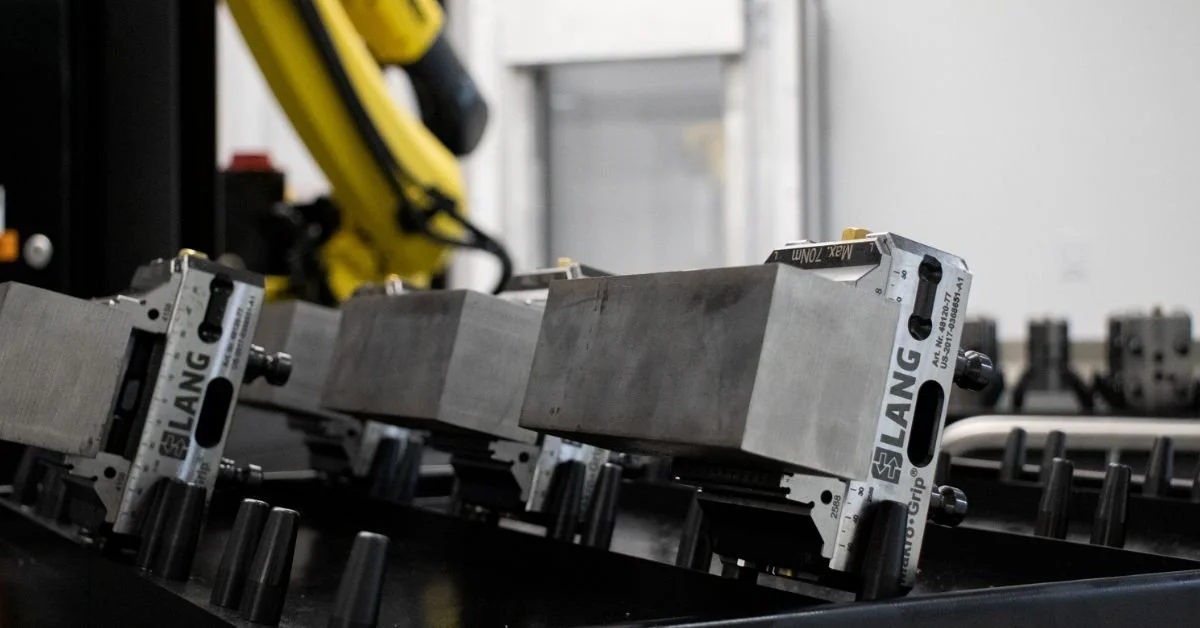
Manufacturers continue to adopt robotic finishing to improve consistency, reduce labor strain, and increase throughput. Robotic systems handle repetitive finishing tasks with precision that manual processes struggle to match. As product complexity increases, finishing applications demand tighter tolerances and repeatability.
Metalcraft Automation Group specializes in designing and supporting automation systems for processes like finishing, machining, and welding. Our work reflects the growing demand for reliable automation in modern manufacturing environments.
Here we will explore the different types of robotic finishing applications and where they provide the most value.
What Is Robotic Finishing?
Robotic finishing refers to the use of industrial robots to perform surface treatment processes. These processes improve part quality and prepare components for final use or assembly.
Robots follow programmed paths while maintaining controlled force and speed. That level of precision reduces variation and helps manufacturers meet strict specifications.
Many manufacturers integrate finishing into larger automated workflows that include machining and forming operations.
Why Manufacturers Use Robotic Finishing
Manufacturers rely on robotic finishing to solve several common production challenges. Manual finishing often creates inconsistencies, especially across large production runs.
Robotic systems improve surface quality while reducing the physical strain placed on operators. They also allow production to continue with minimal interruption, which increases throughput.
These benefits make robotic finishing a practical solution for shops looking to scale operations without sacrificing quality.
Robotic Grinding Applications
Robotic grinding removes excess material and creates smooth, uniform surfaces. Manufacturers use this process to refine parts after welding, casting, or machining.
Robots maintain consistent pressure throughout the grinding process. This consistency helps prevent uneven surfaces and reduces the need for rework.
Grinding automation works especially well in industries that require tight tolerances, such as aerospace and heavy equipment manufacturing.
Robotic Polishing Applications
Polishing creates smooth and often reflective surfaces that meet both functional and visual requirements. Many industries depend on polished finishes for performance and appearance.
Robotic polishing systems deliver steady motion and consistent contact with the part surface. This control ensures that even complex geometries receive uniform treatment. Manufacturers commonly use robotic polishing for medical components, automotive parts, and consumer-facing products.
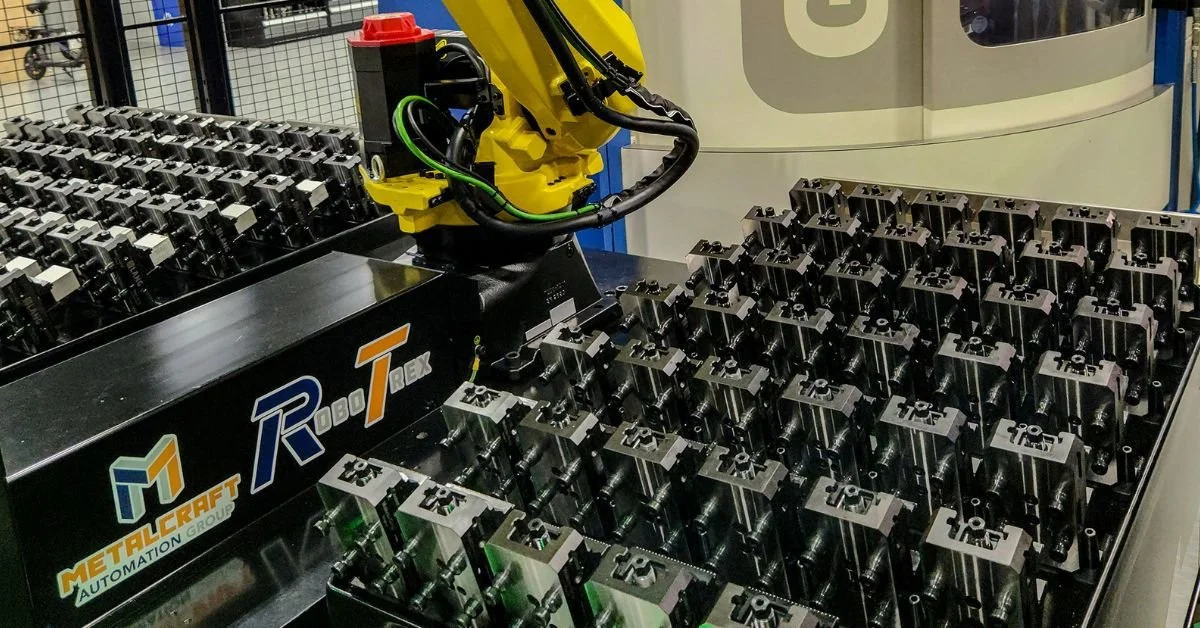
Robotic Deburring Applications
Deburring removes sharp edges and leftover material created during machining or cutting. Burrs can interfere with assembly and reduce product quality.
Robotic deburring makes sure that each edge receives consistent attention. This level of control improves fit and function in downstream processes.
Many manufacturers pair deburring with CNC automation to create a streamlined workflow from machining to finishing.
Robotic Sanding Applications
Sanding prepares surfaces for coating, painting, or additional finishing steps. It smooths imperfections and creates the correct surface profile.
Robotic sanding systems use force control to adapt to different shapes and contours. This flexibility allows manufacturers to process a wide variety of parts with consistent results.
Sanding automation also improves safety by reducing operator exposure to dust and repetitive motion.
Robotic Buffing Applications
Buffing serves as a final finishing step that enhances surface appearance. It produces a high-gloss finish that meets strict visual standards.
Robotic buffing systems apply consistent motion and pressure, which helps avoid streaks and uneven finishes. This consistency reduces the need for manual touch-ups.
Manufacturers often use robotic buffing for decorative metal parts and consumer products where appearance matters.
Robotic Shot Blasting and Surface Preparation
Shot blasting cleans and prepares surfaces by removing contaminants, rust, and old coatings. This process plays a key role in ensuring proper adhesion for coatings.
Robotic systems improve coverage and deliver consistent results across every part. They also reduce worker exposure to abrasive materials and harsh environments.
Surface preparation directly impacts product durability, which makes automation especially valuable in this stage.
Robotic Coating and Finishing Integration
Many manufacturers integrate robotic finishing with coating processes to create a continuous workflow. This approach reduces handling time and improves efficiency.
Robots can prepare surfaces immediately before coating, which minimizes contamination risks. This integration also ensures that each part moves seamlessly from one stage to the next.
Combining finishing and coating processes supports higher throughput and more predictable production outcomes.
Multi-Process Robotic Finishing Cells
Some applications require multiple finishing steps within a single system. Multi-process robotic cells combine several operations into one automated solution.
These systems allow robots to switch between tools and perform different tasks without manual intervention. This flexibility reduces cycle time and improves overall efficiency.
Multi-process cells work especially well for manufacturers handling a wide range of part types or production volumes.
Force Control and Tooling in Robotic Finishing
Force control plays a critical role in robotic finishing. It allows robots to adjust pressure in real time, which ensures consistent results across varying part geometries.
Tooling also influences finishing performance. Different applications require specific tools, such as abrasive belts, polishing pads, or brushes.
Selecting the right combination of force control and tooling helps manufacturers achieve the desired surface finish while maintaining efficiency.
Industries That Benefit from Robotic Finishing
Robotic finishing supports a wide range of industries that require precision and repeatability. These industries often operate under strict quality standards.
Aerospace, medical device manufacturing, automotive production, and general machining all rely on finishing processes to meet performance requirements. Job shops also benefit from automation when they need to maintain consistency across diverse projects. Robotic systems provide the flexibility needed to meet these demands.
Key Considerations When Implementing Robotic Finishing
Manufacturers must evaluate several factors before implementing robotic finishing systems. Part geometry, material type, and required surface finish all influence system design.
Production volume also plays an important role in determining the right level of automation. Integration with existing processes helps make sure that the system supports overall workflow efficiency.
Working with an experienced automation partner helps align the solution with long-term production goals.
The Future of Robotic Finishing
Advancements in robotics, sensors, and software continue to improve finishing capabilities. New technologies allow robots to adapt more easily to part variations and changing production needs.
Manufacturers will see increased flexibility, better real-time feedback, and easier programming as these systems evolve. These improvements will make robotic finishing more accessible to a wider range of operations.
Automation will continue to shape how manufacturers approach finishing processes.
Looking Ahead
Robotic finishing applications cover a wide range of processes, including grinding, polishing, deburring, and surface preparation. Each application addresses specific production challenges and quality requirements.
Manufacturers that invest in robotic finishing gain improved consistency, increased efficiency, and safer working conditions. As automation technology advances, these systems will become even more essential.
Metalcraft Automation Group supports manufacturers with automation systems designed to improve finishing and overall production performance.