
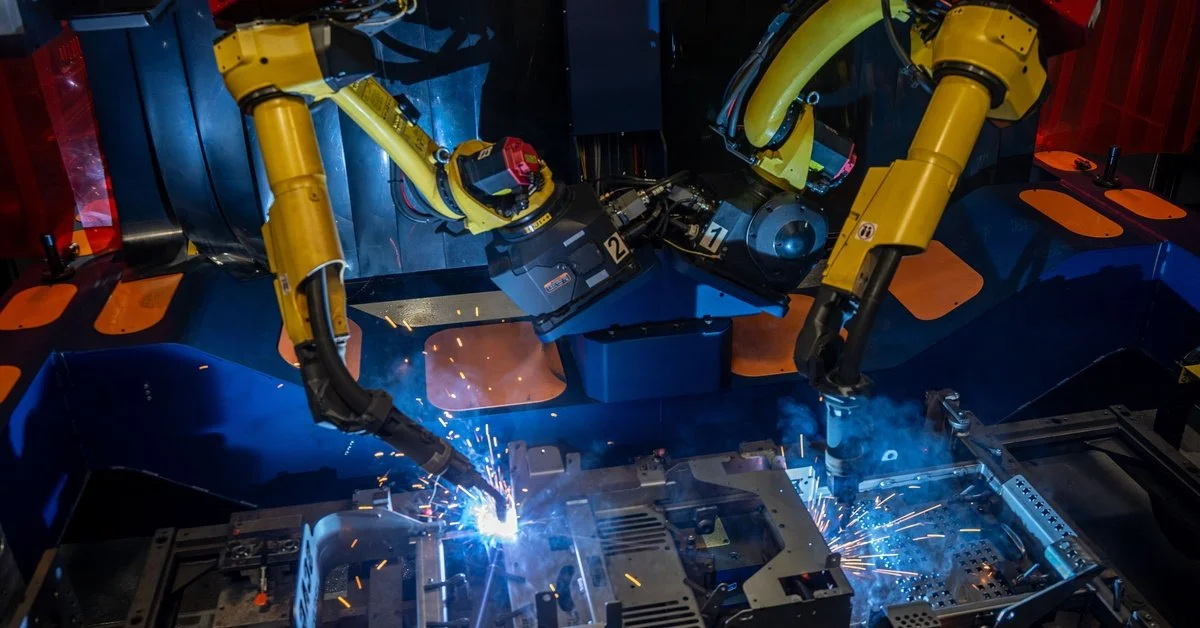
Industrial welding automation continues to reshape how manufacturers approach productivity, quality, and workforce challenges. For machine shops and production facilities, automated welding systems offer a practical way to increase throughput while maintaining consistent results.
However, success with welding automation depends on more than installing a robot. Companies that plan strategically see measurable gains. Those that rush the process often encounter setbacks.
Below, you’ll find the essential dos and don’ts of industrial welding automation to help you move forward with confidence.
Do: Define Clear Production Goals Before You Automate
Start with specific, measurable objectives. Identify what you want to improve—cycle time, weld consistency, labor utilization, or part throughput.
When you clarify your goals, you can evaluate automation solutions against real business needs. Without defined targets, you risk investing in equipment that doesn’t align with your production strategy.
Tie automation decisions directly to operational metrics. That approach keeps the project grounded and outcome-focused.
Don’t: Assume Automation Fixes Poor Processes
Automation amplifies whatever process you currently run. If your welding procedures lack consistency, a robot will replicate those inconsistencies at scale.
Before integrating robotic welding, review:
Fixture design and repeatability
Part tolerances and upstream variability
Weld procedures and parameters
Material handling flow
Standardize and stabilize these areas first. A solid foundation ensures your automated system performs at its full potential.
Do: Evaluate Part Volume and Repeatability
Welding automation works best when part designs remain consistent and production volumes justify the investment. High-mix, low-volume environments can still automate, but they require flexible systems and thoughtful programming.
Ask these questions:
How often does the part design change?
What is the annual production volume?
Can fixtures accommodate minor variations?
When you align automation with repeatable work, you maximize uptime and reduce changeover friction.
Don’t: Overlook Fixture Design
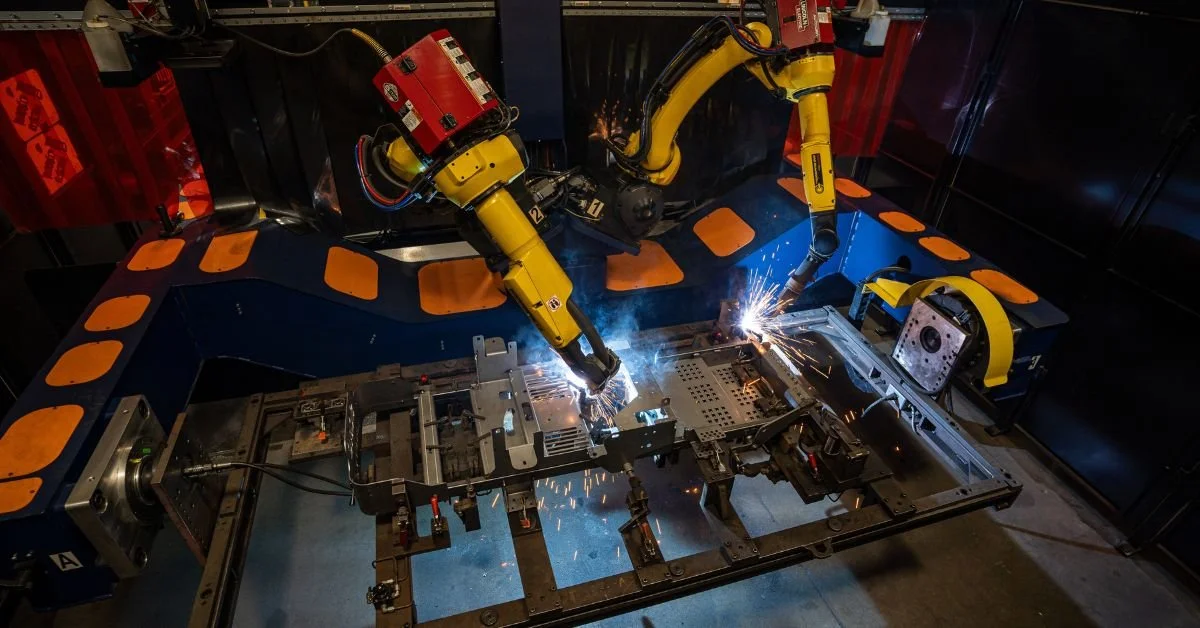
Fixture design directly impacts weld quality and robot performance. Even the most advanced robotic cell cannot compensate for unstable or inconsistent fixturing.
A well-designed fixture:
Positions parts accurately every cycle
Minimizes movement during welding
Allows proper torch access
Reduces setup time
Treat fixture development as part of the automation investment, not an afterthought.
Do: Prioritize Weld Quality and Consistency
One of the primary advantages of automated welding lies in repeatability. Robots execute the same path with the same parameters every cycle.
Leverage that capability to improve:
Weld penetration consistency
Bead appearance
Heat input control
Overall structural integrity
Consistent welds reduce rework, improve downstream assembly, and strengthen customer confidence in your product.
Don’t: Ignore Operator and Technician Training
Automation does not eliminate the need for skilled personnel. Instead, it shifts responsibilities.
Your team must understand:
Basic robot operation
Programming adjustments
Preventive maintenance tasks
Troubleshooting procedures
When operators feel confident working with the system, they support uptime instead of resisting change. Invest in training from day one to ensure long-term success.
Do: Consider Workforce Strategy
Many manufacturers pursue welding automation to address labor shortages. Automated systems allow shops to redeploy skilled welders to higher-value tasks.
Instead of replacing talent, automation enhances workforce efficiency. Experienced welders can:
Oversee multiple robotic cells
Focus on complex or custom weldments
Support quality assurance
This strategic shift improves productivity while preserving valuable expertise.
Don’t: Focus Only on Upfront Cost
Sticker price rarely tells the full story. Evaluate total cost of ownership, including:
Installation and integration
Tooling and fixturing
Training
Ongoing maintenance
Expected productivity gains
When you assess return on investment, factor in reduced rework, increased throughput, and labor optimization. Welding automation often delivers long-term value that outweighs initial capital expense.
Do: Plan for Integration With Existing Systems
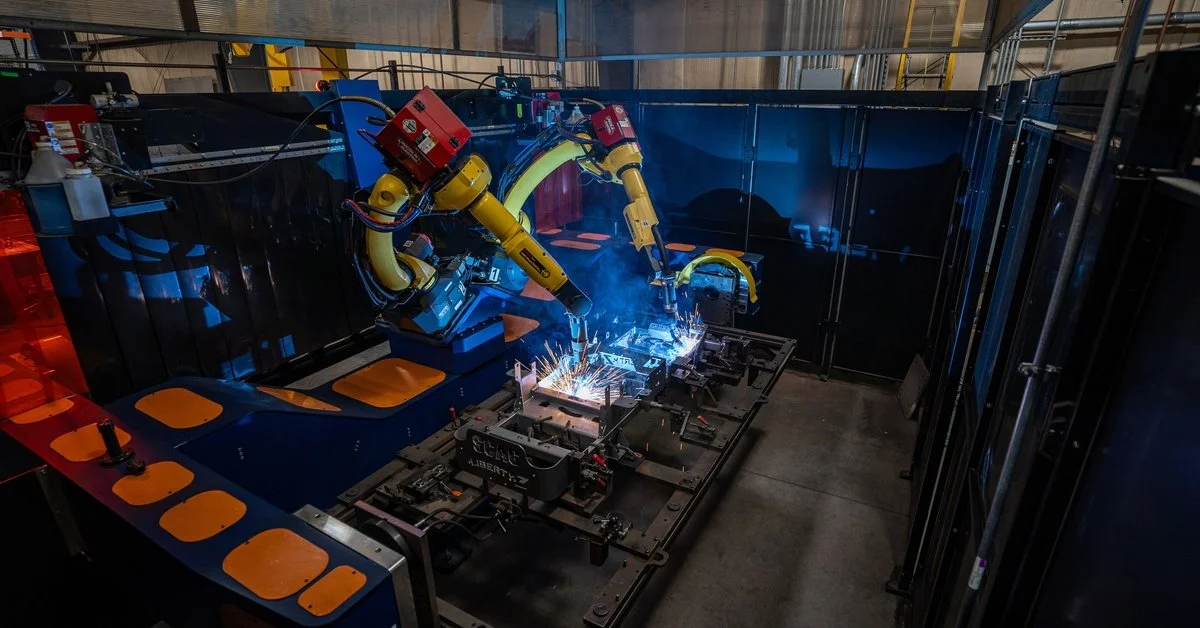
Your welding cell does not operate in isolation. It interacts with upstream and downstream processes such as machining, forming, and finishing.
Consider:
Material flow
Floor space constraints
Safety requirements
Data collection needs
When you integrate welding automation into your broader manufacturing automation strategy, you create a cohesive, scalable production environment.
Don’t: Underestimate Safety Requirements
Robotic welding systems introduce unique safety considerations. While automation reduces direct human exposure to arcs and fumes, you must implement proper safeguards.
Address:
Guarding and perimeter fencing
Light curtains and interlocks
Fume extraction systems
Operator training on safe cell entry
A well-designed cell protects both personnel and equipment while maintaining productivity.
Do: Standardize and Document Procedures
Automation thrives on consistency. Develop standardized operating procedures for:
Startup and shutdown
Part changeover
Program selection
Preventive maintenance
Documented processes reduce variability and make training more efficient. They also simplify troubleshooting when issues arise.
Don’t: Rush the Implementation Timeline
Welding automation projects require coordination between engineering, operations, and leadership. When companies rush deployment, they often skip critical validation steps.
Build time into your project plan for:
System design review
Fixture testing
Weld parameter validation
Operator training
Production ramp-up
A structured rollout minimizes disruption and accelerates long-term success.
Do: Choose the Right Automation Partner
The right partner brings more than equipment. They contribute engineering expertise, process insight, and long-term support.
Look for a provider who can:
Design and build turnkey solutions
Customize systems for your application
Provide installation and training
Offer ongoing technical support
A collaborative approach ensures your system aligns with your production goals from day one.
Don’t: Neglect Maintenance Planning
Robotic welding systems require preventive maintenance to sustain performance. Without a structured plan, minor issues can escalate into costly downtime.
Establish routines for:
Inspecting torches and consumables
Checking cable management
Verifying calibration and accuracy
Cleaning and inspecting fixtures
Preventive maintenance protects your investment and extends equipment life.
Do: Measure and Optimize Performance
After installation, track key performance indicators to evaluate system effectiveness.
Monitor metrics such as:
Cycle time
Arc-on time
Weld defect rates
Downtime frequency
Use this data to refine programming, improve fixturing, and adjust workflows. Continuous improvement maximizes the value of your welding automation investment.
Don’t: Treat Automation as a One-Time Project
Automation represents an ongoing evolution, not a single event. As production demands change, your system may require adjustments.
Stay proactive by:
Reviewing performance data regularly
Updating programs as part designs evolve
Evaluating opportunities to expand automation
This mindset ensures your welding cell continues to support business growth.
Moving Forward With Industrial Welding Automation
Industrial welding automation offers powerful advantages for machine shops and production manufacturers. When implemented thoughtfully, it improves consistency, supports workforce strategy, and drives measurable productivity gains.
Success depends on preparation, clear goals, and strong execution. By following these dos and don’ts, you position your operation to capture the full benefits of automated welding systems.
If you’re evaluating automation for your welding processes, start by identifying your production challenges and long-term objectives. A structured, strategic approach turns automation into a competitive advantage—not just new equipment on your floor.