
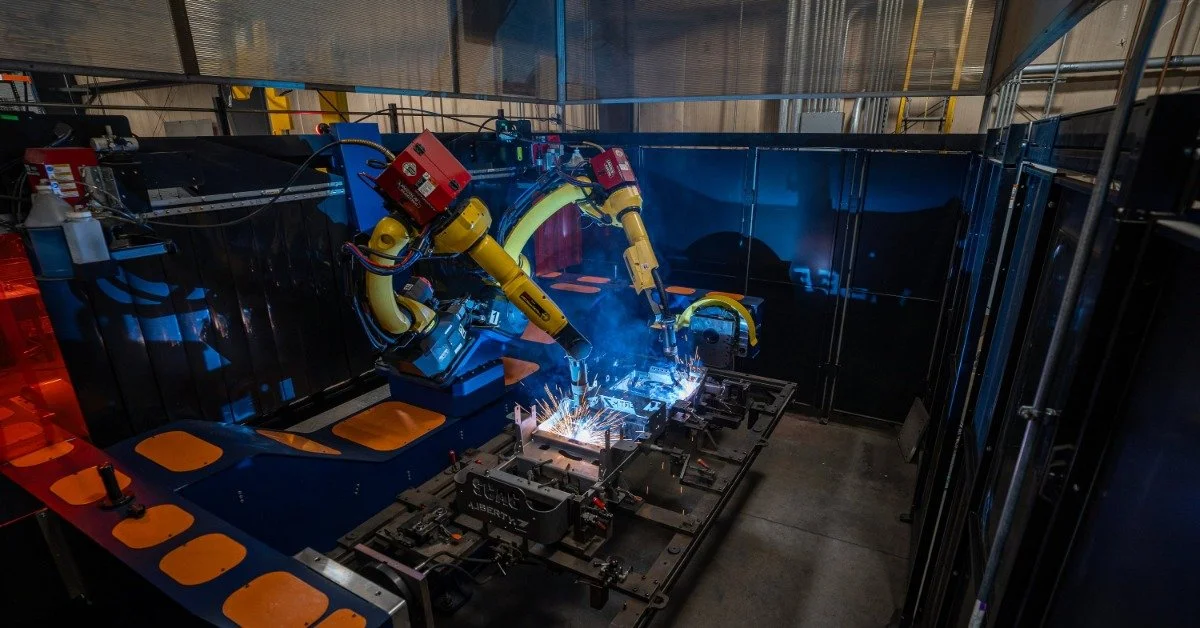
Lights-out manufacturing gives manufacturers the ability to keep equipment productive with little or no operator presence for extended periods. For machine shops and other manufacturers, that capability can increase equipment utilization while helping teams make better use of available labor.
However, a successful lights-out operation needs a coordinated automation strategy that addresses part handling, process consistency, equipment reliability, safety, and production planning. The following strategies can help manufacturers build an operation that runs more independently while maintaining control over production.
Start With Stable, Repeatable Processes
Reliable lights-out production starts with processes that already perform consistently. Automation cannot compensate for machining processes that frequently require operator adjustments, unpredictable tool changes, or manual troubleshooting.
Manufacturers should first evaluate cycle consistency, tooling performance, workholding, part quality, and equipment reliability. Addressing recurring process problems before automating reduces the likelihood that small issues will interrupt an unattended production run.
A stable process also makes automation easier to plan. When cycle times, part locations, and production requirements remain predictable, manufacturers can design automation around known operating conditions.
Identify the Right Processes for Automation
Not every manufacturing task needs to operate unattended. Manufacturers should identify repetitive processes that consume significant operator time and follow predictable sequences.
Machine tending often provides a natural starting point. Loading raw parts, unloading finished components, and repeating the process throughout a shift can require substantial labor without necessarily requiring continuous operator judgment.
Other repetitive operations may also support lights-out production when manufacturers can control part presentation, handling, inspection, and downstream movement. Choosing the right applications allows companies to focus automation investments where unattended operation makes practical sense.
Build Reliable Material Handling Into the Process
Machines cannot continue producing if the automation system runs out of parts or has nowhere to place completed work. Material handling capacity therefore plays an important role in determining how long a system can operate without human intervention.
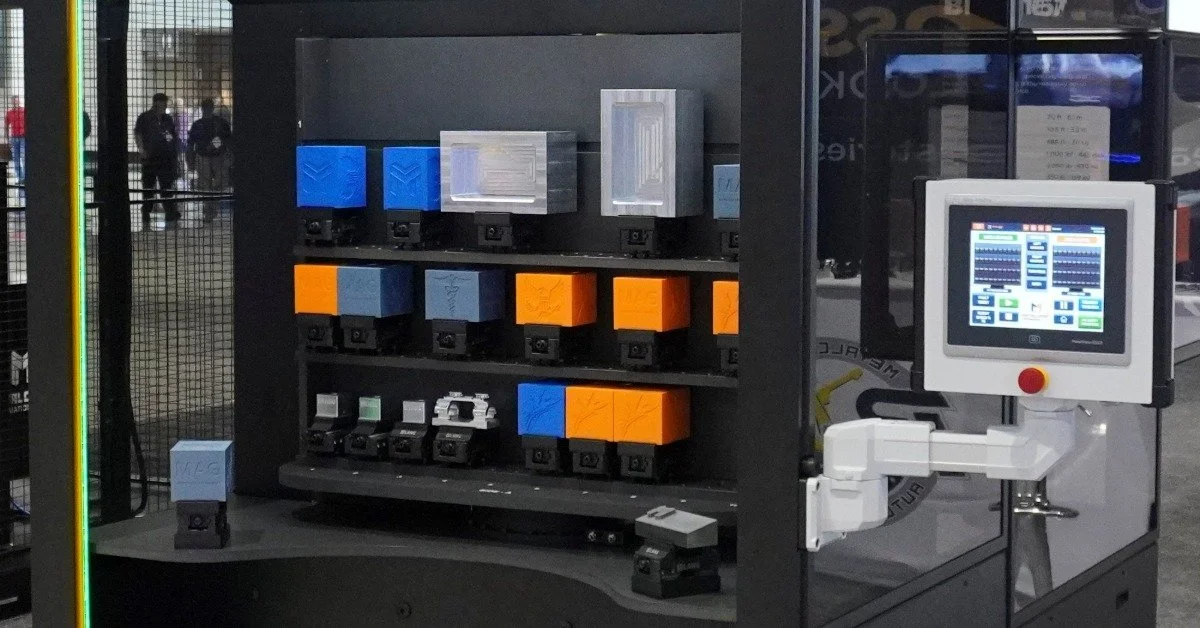
Manufacturers need enough raw material storage to support the desired production window. They also need sufficient space for finished parts, rejected components, and work-in-process inventory.
The handling system should present each component consistently so robots can locate and move it reliably. Predictable part presentation reduces unnecessary complexity and helps the automation system repeat each cycle accurately.
Use Robotic Machine Tending to Extend Production
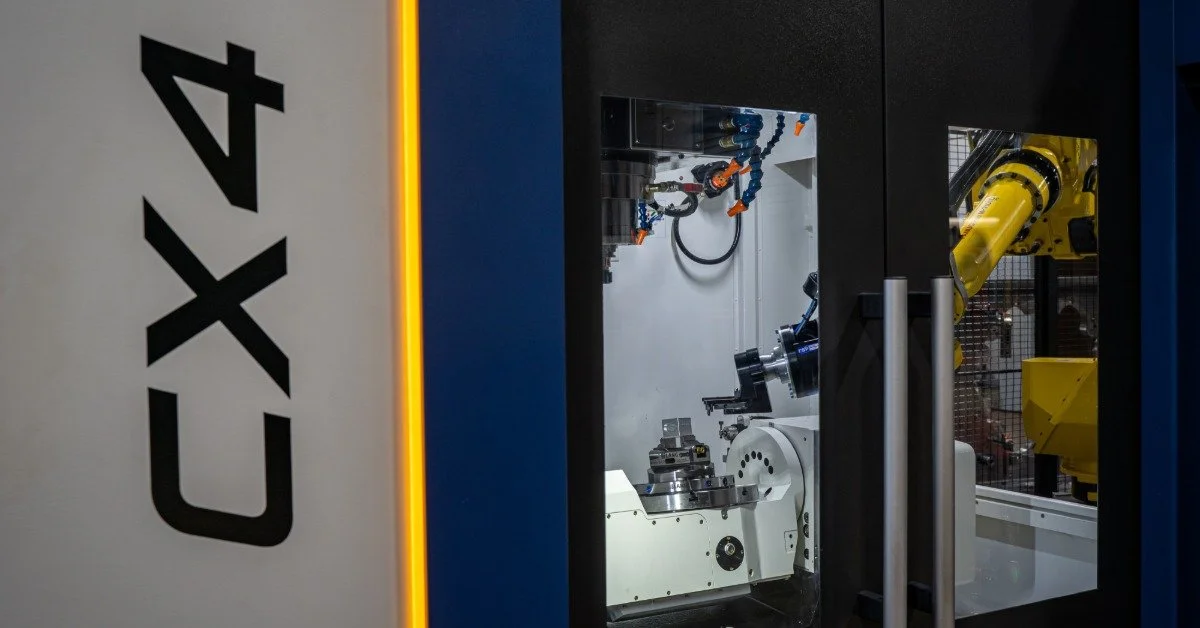
Robotic machine tending can keep CNC equipment running during breaks, between shifts, or through other periods with limited staffing. A robot can load a component, allow the machine to complete its cycle, remove the finished part, and repeat the sequence.
This approach helps separate machine operating time from direct operator availability. Instead of assigning an employee to repeatedly load and unload equipment, manufacturers can direct skilled employees toward setup, quality, maintenance, programming, and other responsibilities.
A well-planned manufacturing automation strategy can connect machine tending with other processes to create longer periods of independent operation.
Plan Enough Capacity for Unattended Runs
A lights-out system can only operate as long as its supporting resources allow. Raw materials, tooling, storage, and equipment capacity all influence the realistic length of an unattended production window.
Manufacturers should calculate how many parts the system can process before it needs human attention. That calculation should consider cycle times along with tool life, part storage capacity, consumables, and other process requirements.
For example, supplying enough raw material for eight hours does not create an eight-hour unattended process if a cutting tool requires attention after four hours. Every critical resource needs to support the intended production period.
Develop a Tool Management Strategy
Tooling presents another important consideration for unattended machining. Excessive tool wear or unexpected tool failure can affect part quality and potentially interrupt production.
Manufacturers should understand typical tool life for each operation and plan production quantities accordingly. Tool monitoring capabilities can also help identify conditions that require attention before they create larger production problems.
A practical tooling strategy may include:
Establishing predictable tool-life limits
Scheduling replacements before unattended runs
Maintaining backup tooling when appropriate
Monitoring tool condition and machining performance
Matching production quantities to expected tool life
These steps help create more predictable machining conditions when operators cannot continuously observe the equipment.
Incorporate Quality Checks Into Production
Traditional production often depends on operators to inspect components periodically. Lights-out manufacturing requires a different approach because an employee may not remain nearby to identify a developing quality issue.
Manufacturers should determine which quality characteristics require monitoring and when inspections need to occur. Depending on the application, automated inspection equipment or in-process monitoring can provide information about production conditions.
The goal involves identifying problems before a system produces a large quantity of unacceptable parts. Consistent processes, reliable tooling, and appropriate inspection strategies work together to support unattended production.
Account for Variability Before Removing Operators
Variation creates challenges for any automated process. Raw material differences, inconsistent part positioning, changing tool conditions, or unexpected equipment behavior can require decisions that an operator would normally make.
Manufacturers should identify these sources of variability during automation planning. They can then determine whether equipment, controls, sensors, or process changes can manage each condition reliably.
Reducing unnecessary variability also simplifies automation. The more predictable the inputs and process become, the easier it becomes to create repeatable outputs without constant operator intervention.
Use Monitoring to Maintain Visibility
Lights-out production does not mean manufacturers should lose visibility into equipment performance. Monitoring systems can provide information about machine status, cycle completion, faults, and other operating conditions.
Remote visibility helps teams understand what happens while equipment runs without nearby personnel. Depending on the system, alerts can also notify designated employees when a condition requires attention.
Manufacturers should decide which events actually need immediate action. Thoughtful notification strategies can help teams focus on meaningful problems instead of responding to every minor status change.
Design Automation Around Safety Requirements
Automation changes how employees interact with manufacturing equipment. Manufacturers need to consider those interactions when designing a lights-out production system.
The automation cell should control access to moving equipment and account for normal production, maintenance, setup, troubleshooting, and recovery activities. Operators and maintenance teams also need clear procedures for safely entering or servicing automated areas.
Safety planning should begin during system design rather than after installation. Integrating safety requirements into the overall cell concept helps create an automation system that supports both unattended operation and routine employee interaction.
Prepare for Faults and Recovery
Even a well-designed automated system can encounter unexpected conditions. A part may shift, a tool may reach its limit, or a machine may generate an alarm.
Manufacturers should identify likely fault conditions and determine how the system should respond. Some situations may allow the automation to retry an operation or move to a safe state, while others may require employee intervention.
Clear recovery procedures also help teams restore production efficiently. Operators need to understand what caused a stop, how to correct the problem, and how to restart the system without introducing additional errors.
Standardize Processes Across the Automation Cell
Lights-out manufacturing depends on consistency across the entire production cell, not just within the machine tool. Part presentation, workholding, robot movements, machining programs, and finished-part handling all need to work together.
Standardization can reduce unnecessary adjustments and make changeovers more predictable. It also helps operators understand how the system should perform under normal conditions.
Documented procedures for setup, tooling, maintenance, and recovery give teams a consistent approach to managing automated equipment. These procedures become especially important as more employees learn to support the system.
Build a Lights-Out Strategy Around the Entire Process
Successful lights-out manufacturing requires manufacturers to look beyond a single robot or machine. Every step that normally requires operator attention can influence how long production continues independently.
Manufacturers should evaluate material availability, machine tending, tooling, inspection, storage, monitoring, maintenance, safety, and fault recovery as parts of one connected process. Addressing these areas together creates a stronger foundation for reliable unattended operation.
Metalcraft Automation Group designs, builds, installs, trains, and supports automation systems for manufacturing applications. By developing automation around the complete production process, manufacturers can work toward longer equipment runtime while allowing their teams to focus on responsibilities that require human expertise.