
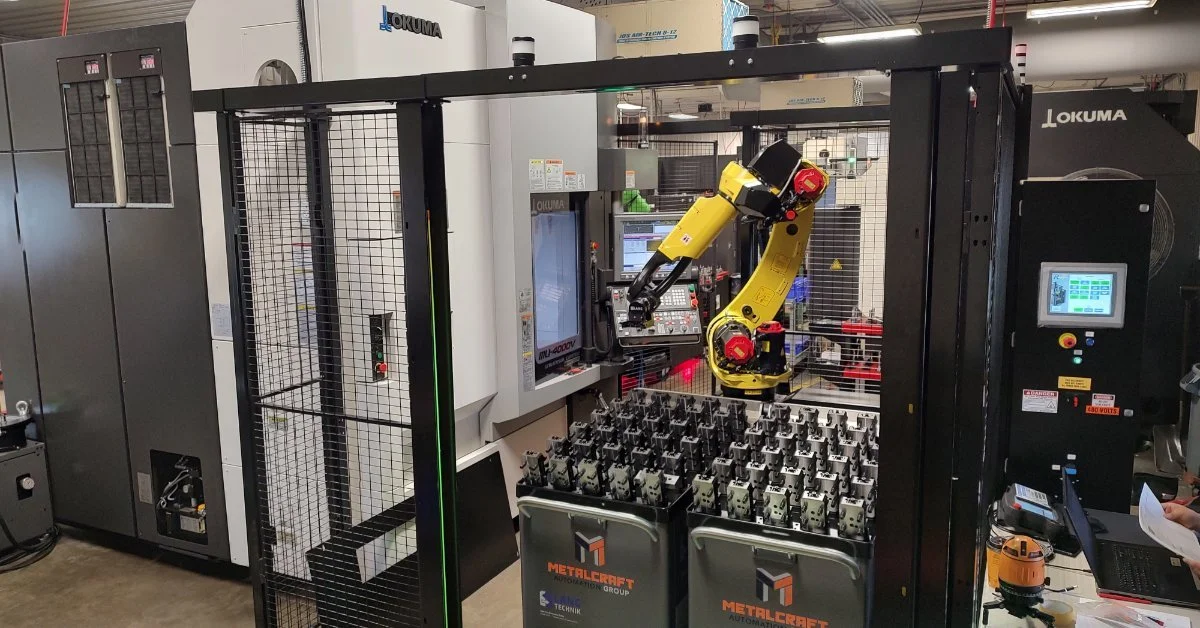
Manufacturers continue to face pressure to increase output, reduce downtime, and make better use of skilled labor. Many machine shops also need to process a wider variety of parts while maintaining consistent quality and tight production schedules. Those challenges require equipment that keeps machines cutting instead of waiting.
Pallet systems help solve those production issues by automating how workpieces move into and out of CNC machines. Rather than relying on operators to manually load every job, pallet systems prepare the next workpiece while the current cycle continues. That approach keeps machining centers productive for longer periods and helps shops maximize their equipment investment.
Companies looking for industrial automation solutions often evaluate pallet systems because they improve machine utilization without requiring an entirely new production process. When implemented correctly, these systems support higher throughput while maintaining flexibility for changing production demands.
What Is a CNC Pallet System?
A CNC pallet system automates the loading, unloading, and positioning of workpieces using standardized pallets. Each pallet securely holds a fixture and part while moving between storage locations and machining centers.
The system exchanges completed pallets for new ones with minimal interruption to machine operation. Operators can prepare upcoming jobs offline while the machine continues cutting another component.
Most pallet systems include several key components:
Automated pallet changer
Pallet storage stations
Machine interface
Fixture locations
Control software for scheduling and tracking pallets
These components work together to minimize idle time and maintain a continuous flow of production.
How Pallet Systems Reduce Machine Downtime
Machine downtime directly affects productivity and profitability. Every minute spent waiting for an operator to remove finished parts and install new ones represents lost production capacity.
Pallet systems reduce those delays by preparing the next job before the current machining cycle ends. Once machining finishes, the pallet changer quickly exchanges pallets and starts the next program.
Instead of stopping production for manual setup, the machine resumes cutting almost immediately. Shops gain more spindle time throughout every shift, resulting in significantly higher overall equipment utilization.
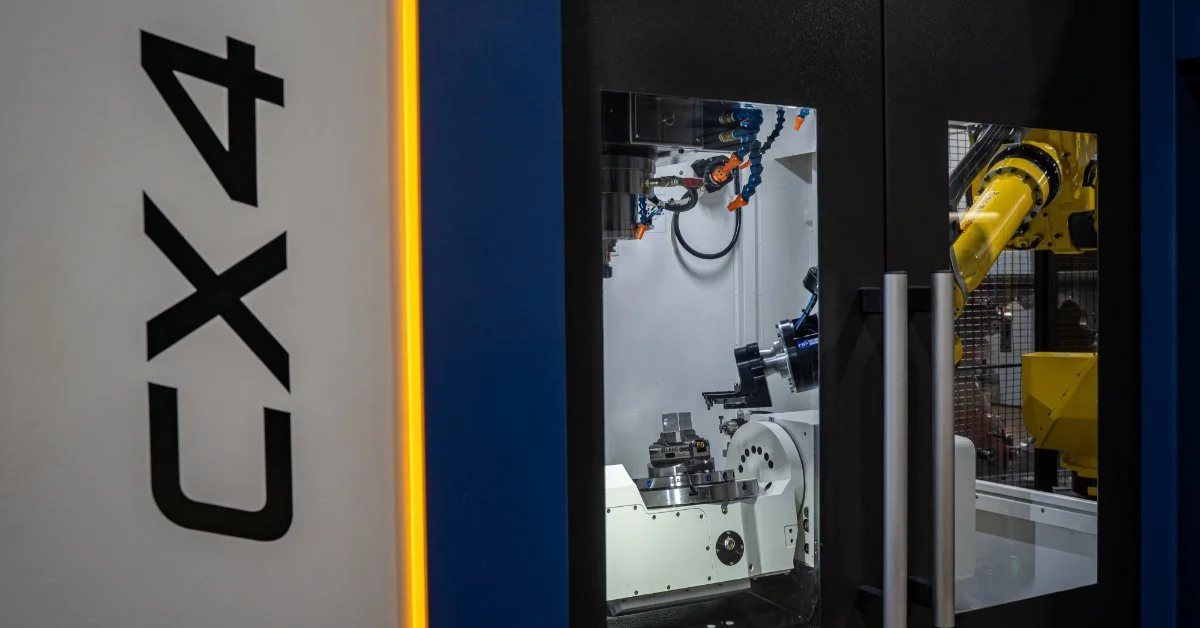
Increasing Spindle Utilization
The spindle only generates value while removing material. Any period spent waiting for setups, inspections, or loading reduces manufacturing efficiency.
Pallet systems help maximize spindle utilization by separating setup activities from machining operations. Operators complete fixture preparation, part loading, and workholding adjustments outside the machine enclosure while another pallet remains in production.
This process allows machining centers to spend more hours performing actual cutting operations instead of waiting for manual intervention.
Higher spindle utilization also improves return on equipment investments because existing machines produce more finished parts without additional machining centers.
Supporting Lights-Out Manufacturing
Many manufacturers want to extend production beyond staffed shifts without sacrificing quality or consistency. Pallet systems make unattended machining much more practical.
Multiple pallets can queue in advance with scheduled machining programs. After one pallet finishes, the next automatically loads into the machine without operator assistance.
With proper tooling, process monitoring, and preventive maintenance, pallet systems support overnight or weekend production. Shops increase machine output while reducing labor requirements during off-hours.
Although unattended operation requires careful planning, pallet systems provide an important foundation for longer production windows.
Improving Setup Efficiency
Setup time often limits productivity, especially in job shops that process numerous part numbers every week.
Traditional setups require operators to stop machining, remove fixtures, clean work surfaces, install new workholding, indicate fixtures, and verify alignment before restarting production.
Pallet systems move much of that work offline. Operators complete fixture preparation while another pallet remains inside the machine.
Offline setup creates several advantages:
Less machine idle time
Faster changeovers
Improved scheduling flexibility
Reduced production interruptions
Better use of operator time
These improvements become even more valuable as production mixes grow more diverse.
Supporting High-Mix, Low-Volume Production
Many manufacturers no longer produce large quantities of identical components for extended periods. Customer demand increasingly favors shorter production runs with frequent changeovers.
Pallet systems help manufacturers adapt to those changing requirements.
Different pallets can hold unique fixtures for different part families. Production schedules simply determine which pallet loads next. Shops no longer spend excessive time rebuilding machine setups between every order.
This flexibility allows manufacturers to process multiple customer jobs within the same day while maintaining efficient machine utilization.
For contract manufacturers and job shops, that flexibility often creates a significant competitive advantage.
Improving Consistency Between Production Runs
Repeatability remains critical in CNC machining. Even small setup variations can affect dimensional accuracy, surface finish, and downstream assembly.
Standardized pallet systems improve consistency because fixtures return to the same machine location every time. Precision locating mechanisms ensure accurate positioning throughout repeated production cycles.
Operators spend less time re-establishing datums and verifying fixture locations.
Consistent positioning also simplifies programming because work offsets remain predictable across production runs. That repeatability reduces variation while supporting reliable quality control processes.
Making Better Use of Skilled Labor
Finding experienced CNC operators continues to challenge manufacturers across many industries. Skilled employees provide tremendous value, but manual loading and unloading often prevent them from focusing on higher-value work.
Pallet systems shift repetitive loading tasks away from constant operator attention.
Instead of standing beside one machine throughout the day, operators can:
Prepare future jobs
Inspect completed parts
Manage multiple machining centers
Perform preventive maintenance
Optimize production scheduling
This improved allocation of labor allows manufacturers to accomplish more with existing personnel while reducing repetitive manual activities.
Enhancing Scheduling Flexibility
Production schedules rarely remain static. Customer priorities change, expedited orders appear, and machine availability shifts throughout the week.
Pallet systems make scheduling adjustments easier because prepared jobs wait in the pallet queue.
Manufacturers can organize production according to due dates, material availability, tooling requirements, or machine capacity. Control software tracks pallet locations and helps coordinate upcoming machining operations.
This flexibility allows production managers to respond more quickly when schedules change without creating lengthy machine interruptions.
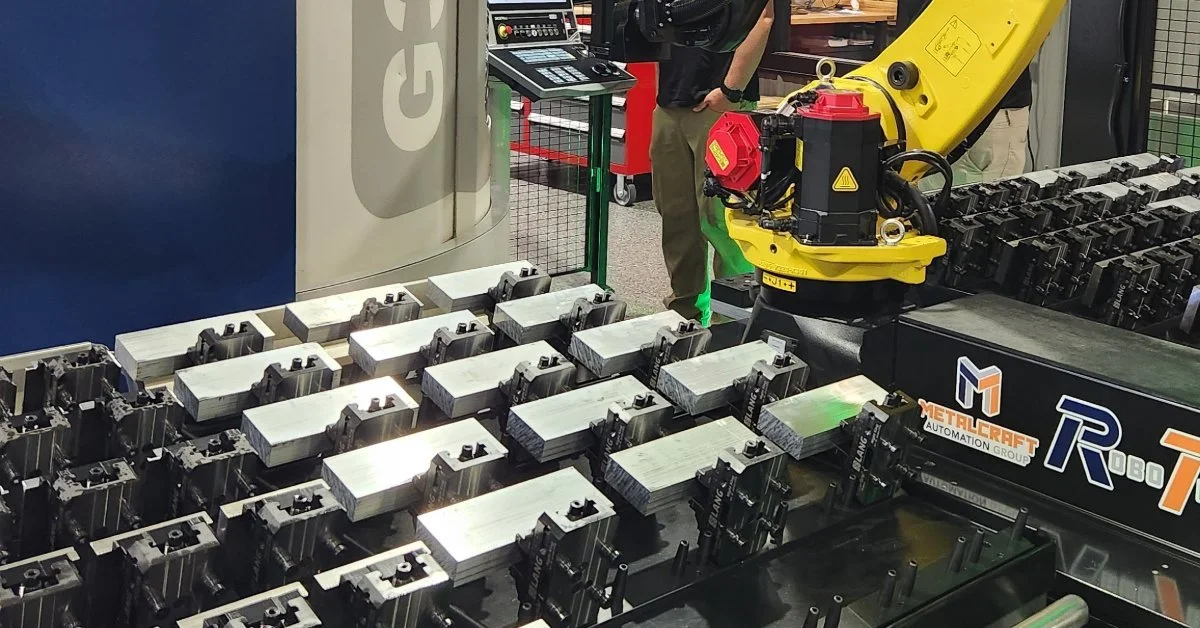
IMAGE B
Reducing Bottlenecks Across Production
Machine loading often becomes a bottleneck during busy production periods. Even efficient operators need time to remove finished parts, install new fixtures, verify setups, and restart machining.
Those repetitive delays accumulate throughout the day.
Pallet systems eliminate much of that waiting by automating the transfer process.
As machining centers spend more time producing parts, downstream departments receive a steadier flow of components. Better production balance improves throughput across the manufacturing process instead of only increasing one machine's performance.
Integrating Pallet Systems With Other Automation
Pallet systems work well as standalone productivity tools, but they also integrate with broader manufacturing automation strategies.
Manufacturers frequently combine pallet systems with robotic machine tending, automated inspection equipment, tool monitoring systems, and centralized production software.
These integrated environments create highly efficient manufacturing cells that require less manual intervention while maintaining high levels of quality and traceability.
As production requirements evolve, modular automation approaches allow manufacturers to expand capabilities without completely redesigning their facilities.
The Long-Term Value of CNC Pallet Systems
Pallet systems improve spindle utilization, reduce downtime, streamline setups, increase scheduling flexibility, and help manufacturers make better use of skilled employees.
As customer expectations continue to evolve, manufacturers need production systems that balance efficiency with flexibility. Pallet systems provide that balance by supporting continuous machining while adapting to changing production demands.
Whether a facility operates a single machining center or multiple production cells, pallet automation creates measurable productivity improvements that continue delivering value over time. For manufacturers focused on increasing output without sacrificing quality, pallet systems remain one of the most effective investments available for modern CNC operations.