
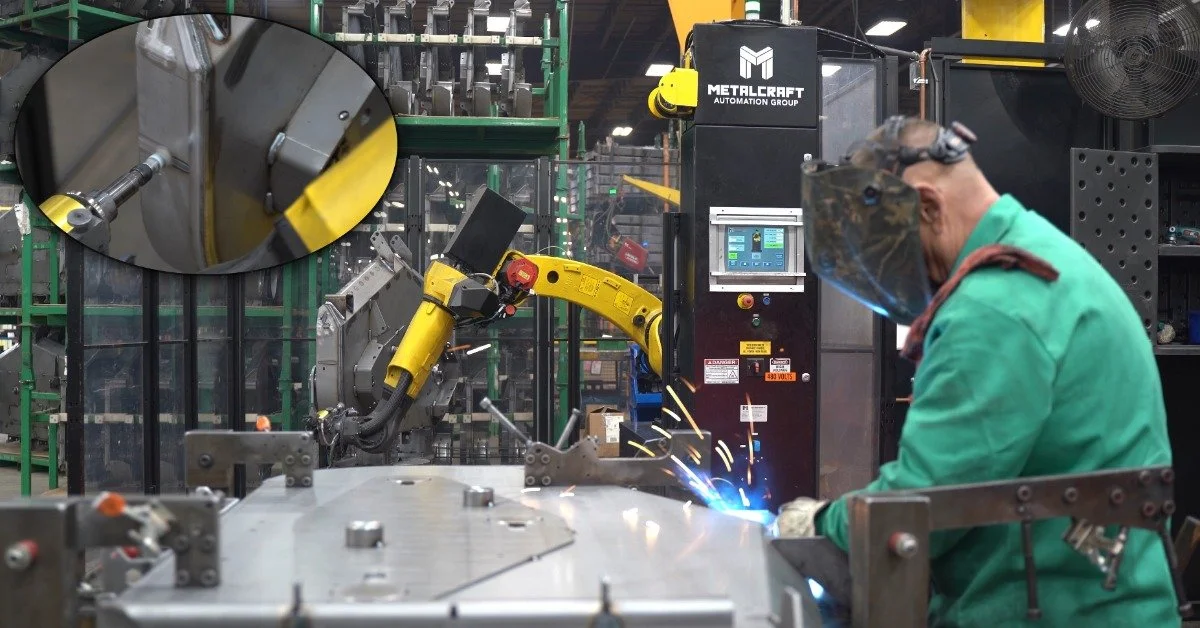
Manufacturers often see the value of automation long before they feel ready to implement it. When a manufacturer coordinates each piece separately, the integration process can quickly demand more time and internal resources than expected.
Turnkey automation offers a more streamlined path. Instead of asking a manufacturer to coordinate multiple vendors and solve integration challenges independently, a turnkey provider manages the system as a complete project. That approach helps manufacturers move from automation planning to production with fewer coordination challenges and a clearer implementation process.
What Does Turnkey Automation Mean?
Turnkey automation brings the major parts of an automation project together under one provider. The provider can design the system around the application, build the equipment, install it, and help prepare the team to operate it. The manufacturer receives a coordinated solution rather than a collection of separate components.
This model matters because automation involves more than choosing a robot. Controls, tooling, guarding, material handling, machine interfaces, and production requirements all need to work together. A turnkey approach considers those connections from the beginning.
How Does Turnkey Automation Reduce Vendor Coordination?
Managing several vendors can add complexity to an automation project. One company may supply the robot, another may handle controls, and another may provide tooling or integration support.
A turnkey provider gives the manufacturer a more centralized point of coordination. Instead of managing separate scopes and schedules, the manufacturer can work with one team that understands how the full system should function. That structure can make communication easier throughout the project.
How Does a Single Project Scope Simplify Planning?
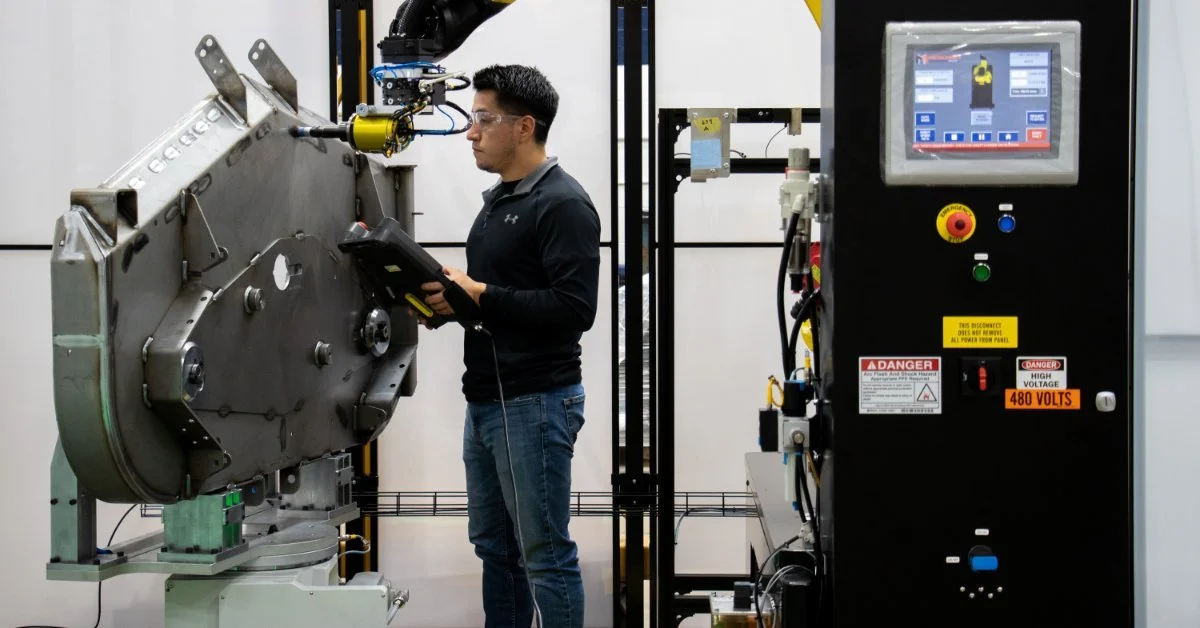
Automation projects work best when everyone understands the application and expected outcome. A turnkey approach can establish a unified project scope before equipment reaches the production floor. The provider can evaluate the process as a complete system instead of treating each component as an isolated purchase.
A clearer scope also helps teams identify integration requirements earlier. Addressing these factors during planning reduces the need to solve basic compatibility questions later.
How Does Turnkey Design Improve System Compatibility?
Individual automation components may perform well on their own but still require careful engineering to work together. Tooling needs to handle the part reliably, while controls need to coordinate motion and communication with production equipment.
Turnkey design focuses on how those components interact. The provider can select and configure equipment around the needs of the application rather than leaving the manufacturer to connect unrelated pieces. This system-level approach helps create a more cohesive installation.
How Can Turnkey Automation Simplify Existing Equipment Integration?
Many manufacturers want to automate equipment they already use rather than replace an entire production process.
A turnkey provider can evaluate those requirements during system development. The team can account for machine access, signals, part flow, operator access, and available floor space. For companies evaluating industrial automation solutions, this coordinated planning can make integration into an established operation more manageable.
How Does Pre-Installation Engineering Reduce Floor Disruption?
Production floors leave little room for extended installation problems. A system that arrives without enough preparation can create avoidable disruption.
Turnkey projects shift more engineering and coordination into the planning and build stages. The provider can work through system layout, controls, tooling, and other integration details before installation. That preparation helps the installation team arrive with a clearer understanding of how the automation will fit the intended process.
How Does Turnkey Automation Support Safer Integration?
Safety needs to shape an automated system from the start.
A turnkey approach allows the provider to consider safety alongside the rest of the system design. Instead of adding safety features after the major components take shape, the project team can account for safe operation as it develops the cell. Manufacturers still need to follow their own facility procedures and applicable requirements, but coordinated system design can simplify that work.
How Does One Integration Team Improve Troubleshooting?
Integration issues do not always fit neatly into one category. When several vendors own different pieces, troubleshooting can require multiple conversations before the team identifies the cause.
A turnkey provider has visibility into the complete system. That broader perspective can help the integration team examine how components interact and narrow down problems more efficiently. It also gives the manufacturer a clearer place to start when questions arise.
How Does Turnkey Automation Make Training Easier?
Even a well-designed automated system needs employees who understand how to operate it.
When the same provider designs and integrates the system, that team can connect training directly to the finished application. Employees can learn how the complete cell works rather than receiving disconnected instructions for individual components. This can make the transition from installation to everyday use easier for the production team.
How Can Turnkey Systems Reduce Internal Engineering Demands?
Asking internal employees to manage every detail of an automation integration can pull attention away from existing responsibilities.
Turnkey automation allows the provider to take on more of the design and integration workload. Internal teams still contribute important information about parts, machines, processes, and production goals. However, they do not have to serve as the primary coordinator for every technical detail across several suppliers.
How Does Turnkey Integration Support Faster Production Readiness?
The value of an automation system begins when it can perform the intended production task reliably. Delays between equipment delivery and productive operation can extend the time before a manufacturer sees practical benefits.
Turnkey integration creates a more connected path from design through installation. Because one provider manages the relationships between components, the team can address many integration details before startup.
How Does a Turnkey Approach Help With Future Support?
Automation needs do not end after installation.
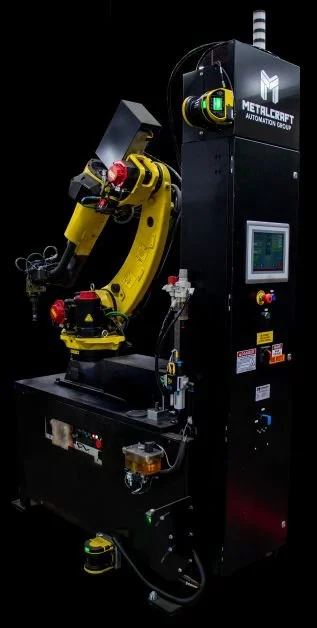
Working with a turnkey provider gives the manufacturer a team that already understands the original application and system design. That familiarity can make future conversations more efficient because the provider does not need to reconstruct the project from separate vendor documentation. Ongoing support can also help internal teams build confidence with the equipment over time.
What Should Manufacturers Consider Before Choosing Turnkey Automation?
Turnkey automation can simplify integration, but manufacturers still need to define what they want the system to accomplish. A provider needs accurate information about parts, processes, production requirements, existing equipment, and facility constraints to develop an appropriate solution.
Manufacturers should also consider how employees will interact with the automation after installation. The strongest projects start with a practical understanding of the current process and the desired improvement.
Why Does Turnkey Automation Create a Simpler Path Forward?
Automation integration involves many connected decisions. When manufacturers manage those decisions across separate vendors, they also take on the work of keeping every component, schedule, and responsibility aligned.
Turnkey automation reduces that coordination burden by treating the project as one integrated system. A single provider can connect design decisions with installation requirements and support the team as the system moves toward production. For manufacturers that want automation without managing every integration detail themselves, that approach can create a clearer and more manageable path forward.
Metalcraft Automation Group designs, builds, installs, trains, and supports pre-engineered and turnkey automation systems for manufacturing applications. Contact Metalcraft Automation Group to discuss how a coordinated automation solution could fit your production process.