
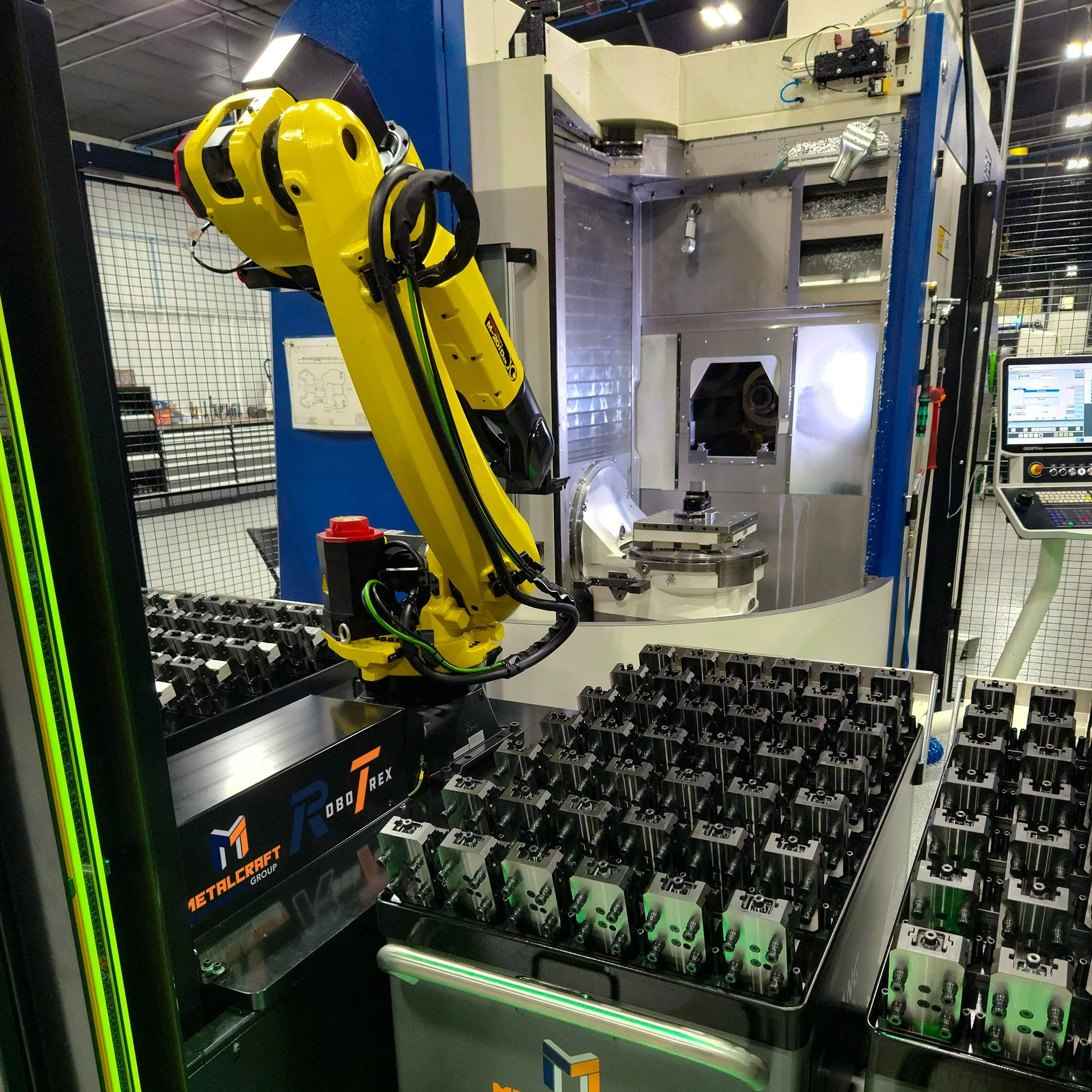
Mag-XL systems (formerly RoboTrex USA systems) give manufacturers a practical way to automate repetitive CNC machine tending and keep valuable equipment productive. However, getting the most from automation requires more than installing a robot and starting production. Shops need to think carefully about workflows, operators, job selection, and ongoing production needs.
Good operating habits can help manufacturers use MAG-XL more effectively while avoiding unnecessary disruptions. Whether a shop has recently added automation or wants to improve an existing setup, following a few important dos and don’ts can create a stronger foundation for reliable production.
Do Choose the Right Jobs for Automation
Start with machining jobs that make sense for automated tending. Consider production volume, cycle time, part requirements, and how much operator involvement the job currently requires. A job that regularly ties up an employee with loading and unloading may present a valuable opportunity for automation.
Shops should also consider how automation fits their overall production schedule. Selecting suitable jobs helps MAG-XL contribute meaningful machine hours instead of adding complexity to a process that already works efficiently.
Don’t Automate a Poorly Defined Process
Automation works best when a shop understands the process it wants to improve. Automating an inconsistent workflow will not automatically eliminate the underlying problems.
Before moving a job to MAG-XL, examine the machining process and identify recurring interruptions. Address tooling issues, unclear procedures, or other production problems that could interfere with consistent operation. A stable process gives automation a much better starting point and helps teams identify the source of problems when they occur.
Do Prepare Your CNC Process First
Reliable machine tending depends on a reliable machining process. Before increasing unattended runtime, confirm that the CNC operation can repeatedly complete the expected machining cycle.
Operators should understand tooling requirements and expected cycle behavior before relying on longer automated runs. They should also consider how material and finished parts move through the operation. Careful preparation reduces surprises once MAG-XL begins handling repetitive loading and unloading duties.
This preparation becomes especially important when a shop wants to expand into longer unattended production periods.
Don’t Treat Automation as a Replacement for Process Knowledge
MAG-XL can take repetitive machine tending work away from employees, but it does not eliminate the need for knowledgeable people. Skilled employees still play an important role in setups, machining decisions, quality processes, troubleshooting, and production planning.
The goal should involve using people where their knowledge creates more value. When automation handles repetitive tending, employees can spend more time supporting the machining operation and addressing tasks that require judgment.
That approach helps a shop combine automation with the expertise already on its floor.
Do Train the People Who Will Use the System
Operators need confidence with any technology they use during production. Make training part of implementation rather than treating it as an afterthought.
Employees should understand the normal operating workflow, job changeovers, and the steps they need to follow when production does not go as expected. Consistent training also helps prevent individual operators from developing different procedures for the same task.
Metalcraft Automation Group designs MAG-XL around an operator-friendly interface and provides operator training during implementation. Shops can build on that foundation by maintaining clear internal expectations for daily use.
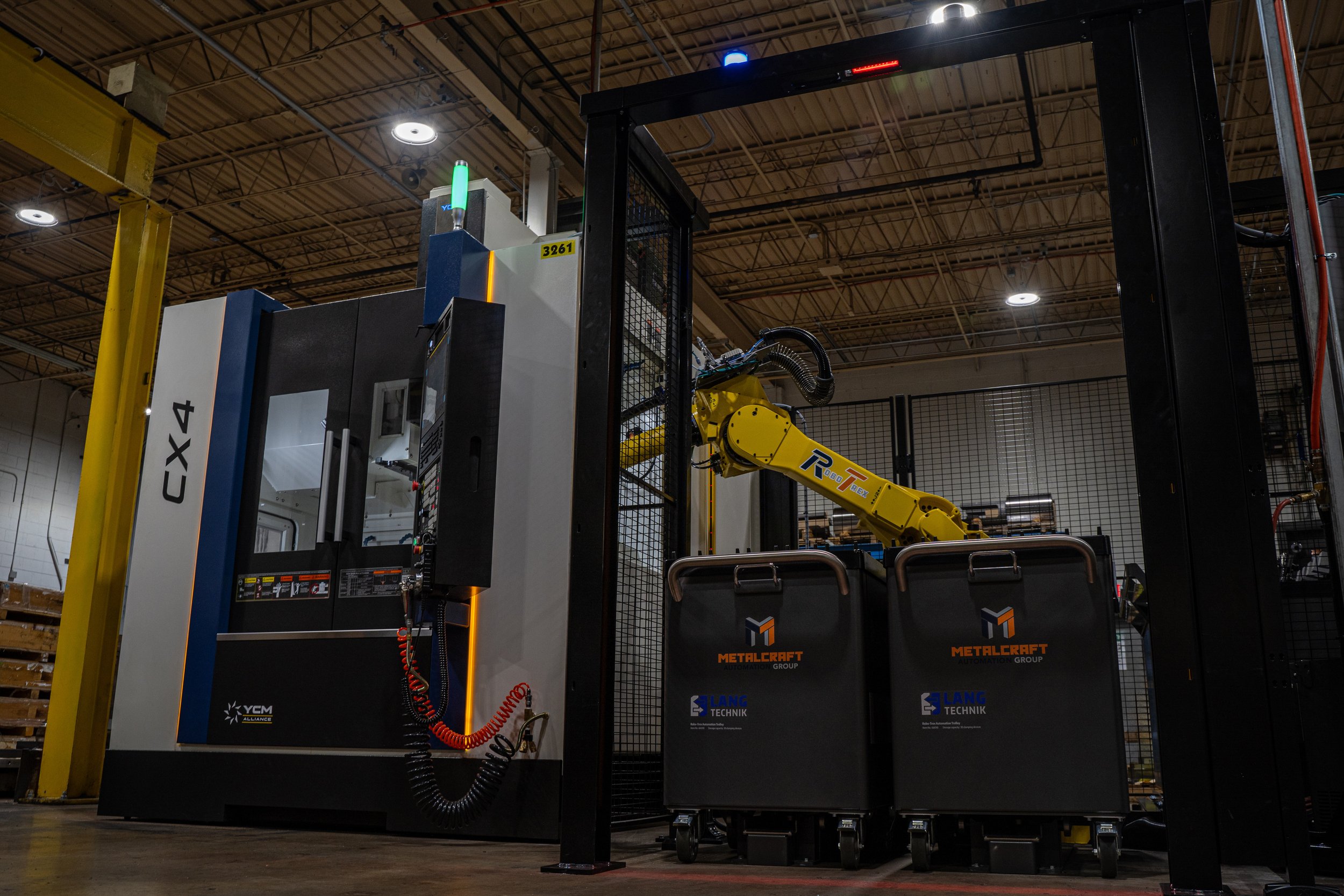
IMAGE A
Don’t Limit Automation Knowledge to One Employee
Avoid creating a situation where only one person understands how the automated cell fits into production. Even an easy-to-use system can create scheduling problems if the entire shop depends on one employee to manage it.
Cross-training helps manufacturers maintain flexibility when employees change shifts, take time off, or move into new responsibilities. It also encourages more people to understand how automated production supports the broader machining operation.
A wider knowledge base can make automation a normal part of the shop rather than a specialized process that depends on one person.
Do Plan Job Changeovers Carefully
Changeovers deserve attention because every minute spent between production runs affects machine utilization. Shops that run a high mix of work should develop a repeatable approach for preparing the next job.
MAG-XL supports job changes without requiring operators to rewrite robot programs for every new part. That capability can help shops automate varied workloads, but operators still need to prepare the machining process and materials correctly.
Planning the next production run before the current one ends can further reduce unnecessary gaps between jobs.
Don’t Ignore Material and Production Flow
A productive robot cell still depends on the processes around it. Material needs to reach the cell when required, and completed work needs a clear path to the next operation.
Look beyond the robot when evaluating efficiency. If employees constantly wait for material or struggle to keep upcoming work organized, the surrounding workflow can restrict the benefits of automation.
Review how jobs enter and leave the automated process. Better coordination can help MAG-XL spend more time supporting productive machining rather than waiting for the rest of the shop to catch up.
Do Use Automation to Increase Machine Utilization
One major reason to automate machine tending involves keeping CNC equipment running for more hours. MAG-XL can load and unload workpieces without requiring an employee to perform every machine-tending cycle.
That capability creates opportunities to reduce gaps caused by repetitive manual handling. Shops may also use automated tending to extend production beyond traditionally staffed periods when their machining processes support unattended operation.
Effective MAG-XL CNC automation should help manufacturers get more productive time from equipment they already own rather than simply adding technology to the shop floor.
Don’t Jump Into Unattended Production Too Quickly
Lights-out production can offer significant advantages, but shops should establish a dependable process before extending automated runs. Moving directly from manual tending to long unattended periods creates unnecessary risk if the machining operation still requires frequent intervention.
Start by observing how the automated process performs during normal production. Identify recurring issues and determine how long the complete process can operate reliably.
As confidence grows, manufacturers can evaluate opportunities to extend runtime based on their actual processes instead of assuming every job should run unattended immediately.
Do Pay Attention to Consistency
Automation depends on repeatability. Consistent preparation gives MAG-XL a predictable environment in which to perform its machine-tending tasks.
Standardize procedures where practical and make expectations clear for employees who prepare automated jobs. When everyone follows the same process, teams can identify unusual conditions more easily.
Consistency also helps manufacturers evaluate performance. A predictable process provides a clearer baseline for determining whether changes improve production or introduce new problems.
Don’t Measure Success Only by Labor Savings
Reducing repetitive labor can create value, but labor represents only one part of the automation equation. Manufacturers should also consider machine utilization, available capacity, production consistency, and how employees use the time automation frees.
For example, moving an operator away from repetitive loading may allow that employee to support additional equipment or concentrate on more skilled responsibilities. Additional productive machine hours may also help a shop increase output without immediately purchasing another CNC machine.
Looking at the complete production picture provides a more useful view of automation performance.
Do Keep Looking for Ways to Improve the Process
Automation should not become a set-it-and-forget-it project. Production requirements change, job mixes evolve, and shops learn more about their automated processes through daily use.
Review how MAG-XL fits into the workflow after implementation. Look for avoidable delays and opportunities to prepare work more efficiently. Employee feedback can also reveal practical improvements because operators see how the system interacts with real production every day.
Small workflow improvements can add up as the system completes more cycles and supports more jobs.
Build Better Habits Around MAG-XL
Successful Mag-XL automation depends on how well technology fits into the overall manufacturing process. MAG-XL can automate repetitive CNC machine tending, but manufacturers still need sound machining processes, prepared employees, and thoughtful production planning.
Focus on stable processes before extending automated runtime. Train multiple employees and evaluate the workflow surrounding the cell instead of looking only at the robot. Most importantly, measure performance against the production goals that led to automation in the first place.