
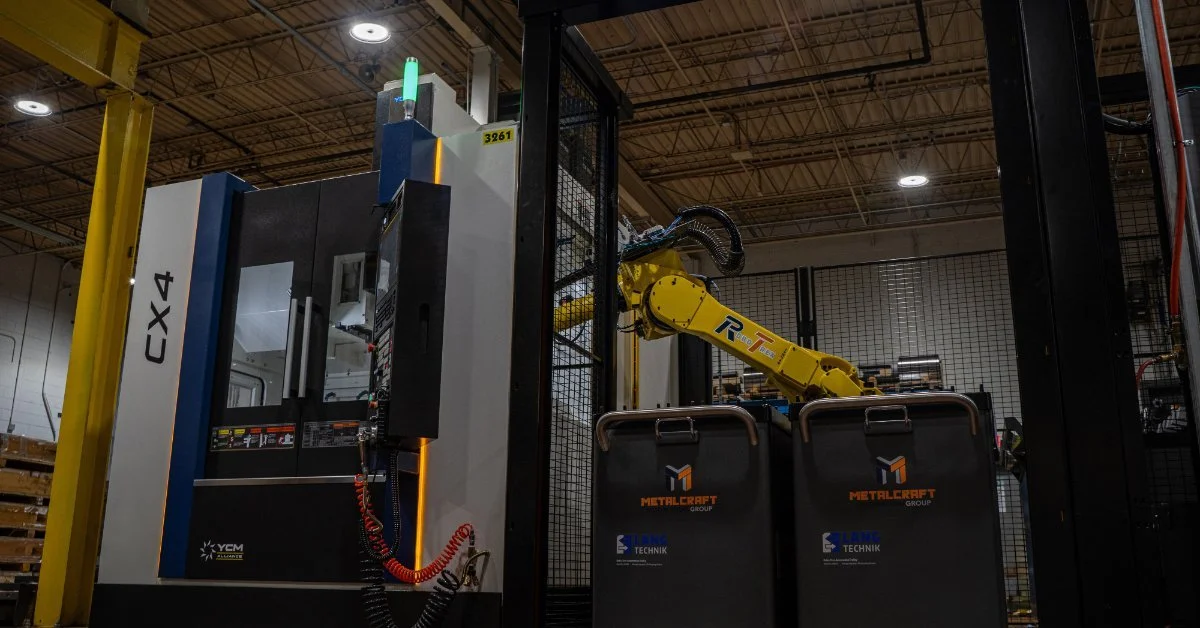
CNC shops constantly look for ways to produce more parts without sacrificing quality or putting unnecessary pressure on their workforce. Labor constraints, machine downtime, repetitive handling tasks, and changing production requirements can all limit how effectively a shop uses its equipment. Automation gives manufacturers another way to address these challenges while making better use of existing machining capacity.
MAG-XL (formerly RoboTrex USA) helps CNC shops automate machine tending so employees can spend more time on work that requires their knowledge and attention. By handling repetitive loading and unloading tasks, the system can support longer production periods, more consistent workflows, and better utilization of CNC equipment.
How Does MAG-XL Reduce Manual Machine Tending?
Machine tending requires operators to repeatedly load raw parts, start machining cycles, remove finished components, and prepare the machine for another cycle. These activities can consume a significant portion of an operator's shift, especially when cycle times remain short.
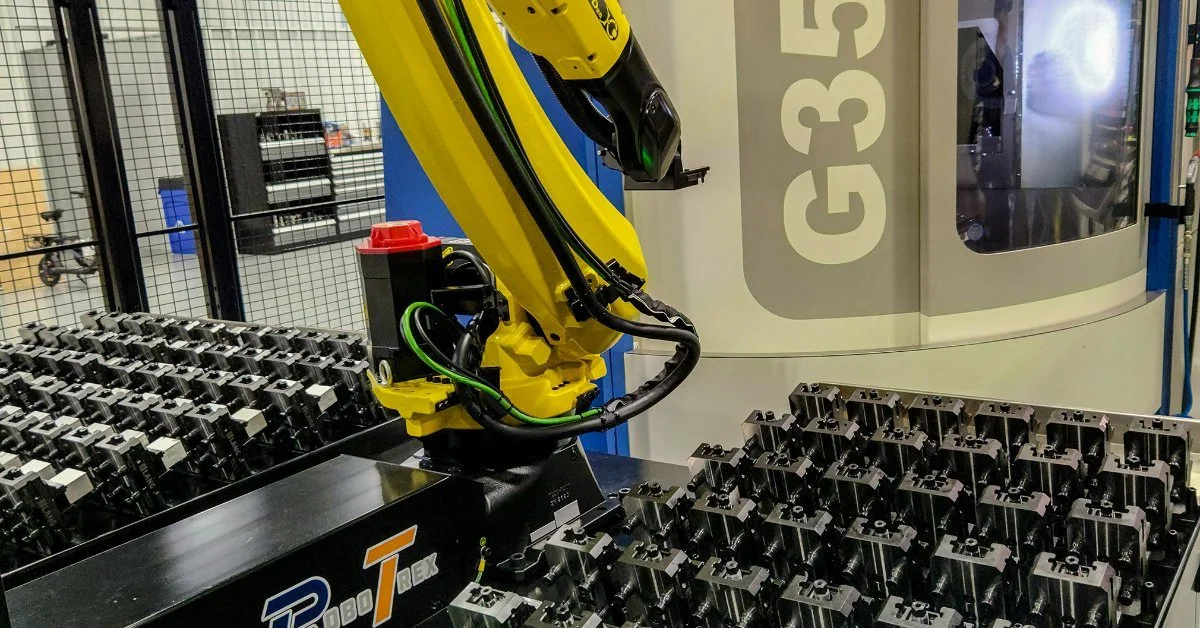
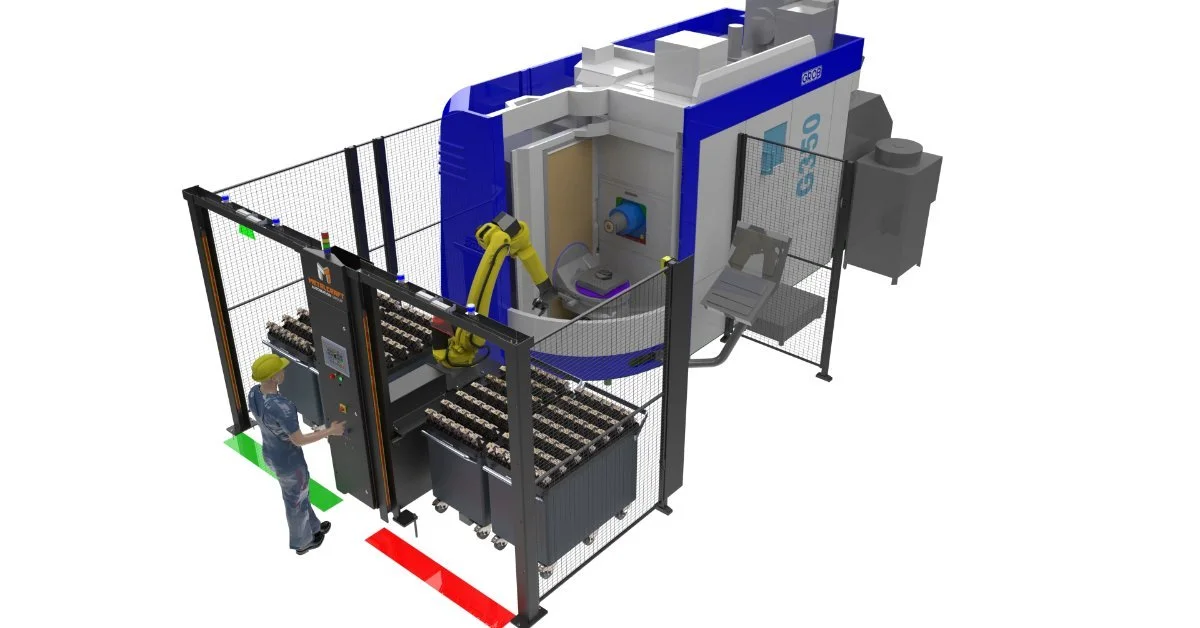
MAG-XL automates repetitive part handling around CNC equipment. The system can move workpieces into and out of the machine according to the established production process, allowing employees to focus on responsibilities that require human decision-making or technical expertise.
That shift helps shops make better use of skilled employees. Instead of dedicating an operator primarily to loading and unloading, manufacturers can direct that employee toward setup, inspection, troubleshooting, process improvement, or other higher-value activities.
How Can MAG-XL Increase CNC Machine Utilization?
A CNC machine only creates value while it performs productive machining work. Waiting for an operator to load the next workpiece can leave valuable equipment sitting idle between cycles.
Automated tending helps reduce those gaps by maintaining a more consistent flow of parts. A MAG-XL CNC machine tending system can load and unload equipment according to the programmed process without requiring an employee to remain beside the machine throughout production.
Higher utilization allows manufacturers to gain more productive time from equipment they already own. Shops can potentially increase output without immediately adding another CNC machine or expanding their production footprint.
How Does MAG-XL Support Longer Production Runs?
Manual production often depends on an operator remaining available whenever a machine completes its cycle. Breaks, shift changes, competing responsibilities, and other interruptions can create pauses in production.
MAG-XL allows a CNC machine to continue cycling through available workpieces with less direct operator involvement. Once employees properly prepare the system and production process, automated tending can support extended periods of machining.
Longer production windows can prove especially valuable when shops need to increase output from existing equipment. Manufacturers can use more of the available hours in a day instead of limiting machine operation to periods of continuous operator attention.
How Can MAG-XL Help Address Labor Constraints?
Finding and retaining skilled manufacturing employees remains an important operational concern for many CNC shops. Automation does not eliminate the need for skilled people, but it can change how manufacturers deploy their available workforce.
MAG-XL handles repetitive machine-tending activities so employees can concentrate on tasks where their skills contribute more value. One employee may have opportunities to oversee automated processes while also handling inspection, setup, material preparation, or other production responsibilities.
This approach can help shops increase the productivity of their existing teams. It also reduces the need to assign skilled workers to repetitive tasks simply to keep machines running.
How Does Automated Tending Create More Consistent Workflows?
Consistency plays an important role in efficient CNC production. Frequent interruptions or variations in part handling can make it harder to maintain a predictable production rhythm.
Automation follows a defined sequence each time it handles a workpiece. That repeatability creates a more standardized process for loading and unloading parts during a production run.
A consistent workflow also gives manufacturers a clearer picture of how production operates. When shops reduce unpredictable handling delays, teams can better evaluate cycle performance and identify other opportunities for process improvement.
How Can MAG-XL Reduce Idle Time Between Parts?
Even short delays between machining cycles add up over an entire shift. If an operator manages several responsibilities, a finished part may remain inside a CNC machine until that person can return.
Automated tending reduces dependence on an employee's immediate availability. MAG-XL can remove a completed workpiece and prepare the machine for the next cycle as part of the programmed workflow.
Reducing these small periods of inactivity can improve overall machine productivity. The benefit becomes increasingly meaningful across repeated cycles and longer production periods.
How Does MAG-XL Free Employees for Higher-Value Work?
Skilled manufacturing employees contribute far more than basic part handling. Their experience supports machine setup, quality control, maintenance, programming, troubleshooting, and continuous improvement.
Automating repetitive tending tasks gives employees more opportunities to apply those capabilities elsewhere. Rather than spending much of a shift performing the same loading and unloading sequence, they can focus on activities that require judgment and technical knowledge.
Shops can redirect that time toward several productive priorities, including:
Monitoring multiple machines or automated processes
Preparing upcoming production jobs
Conducting quality inspections
Troubleshooting machining issues
Improving setups and manufacturing processes
This change can improve efficiency without reducing the importance of experienced operators.
How Can MAG-XL Support More Predictable Production?
Production planning becomes difficult when output varies because machines spend unpredictable amounts of time waiting for operator attention. A more consistent tending process can help reduce some of that variability.
MAG-XL performs programmed handling tasks repeatedly throughout a production run. Manufacturers can therefore reduce manual interruptions between completed parts and subsequent machining cycles.
Greater predictability helps teams understand what their equipment can accomplish during available production periods. That information can support scheduling, capacity planning, and decisions about how to allocate jobs across the shop.
How Does MAG-XL Help Shops Get More From Existing Equipment?
Purchasing additional CNC equipment represents a major investment. Before adding machines, manufacturers can evaluate whether their existing equipment operates as productively as possible.
Machine-tending automation targets one common source of lost productivity: time when a machine could run but waits for someone to handle a workpiece. Reducing that idle time can increase the productive capacity of current CNC equipment.
This makes automation one potential path for shops that need greater output but still have unused capacity within their existing machining operations. Effective industrial automation solutions can help manufacturers focus on using current resources more efficiently before pursuing larger expansions.
How Can MAG-XL Support Unattended CNC Production?
Automated machine tending can reduce the amount of continuous employee involvement that CNC production requires. That capability creates opportunities for shops to extend machining beyond traditionally staffed production periods when the application and process allow it.
Manufacturers must still develop a reliable machining process and properly prepare materials, tooling, programs, and automation. MAG-XL then handles the repetitive workpiece movement needed to keep that established process moving.
Unattended operation can help shops capture additional productive hours. The exact approach will depend on the parts, machining process, equipment, and production requirements involved.
Build a More Productive CNC Operation With MAG-XL
Improving CNC efficiency often starts with identifying tasks that consume employee time or prevent machines from running consistently. Automated machine tending can address both challenges by maintaining part movement while allowing skilled employees to concentrate on more valuable work.
MAG-XL can help manufacturers increase machine utilization, reduce repetitive handling, support longer production runs, and make better use of their existing workforce and equipment. For CNC shops evaluating ways to improve productivity, Metalcraft Automation Group can help determine how MAG-XL could fit within current manufacturing operations.