
Manufacturers continue to face growing pressure to increase output, control costs, and address labor shortages. As production demands rise, many machine shops and manufacturers look for practical ways to improve efficiency without sacrificing quality. Robotic machine tending cells have emerged as one of the most effective solutions for achieving those goals.
By automating the loading and unloading of parts, robotic machine tending cells like RoboTrex help manufacturers maximize machine utilization and reduce manual labor requirements. These systems support consistent production while allowing employees to focus on higher-value tasks. Understanding the benefits of robotic machine tending cells can help manufacturers determine whether automation fits their long-term operational goals.
What Are Robotic Machine Tending Cells?
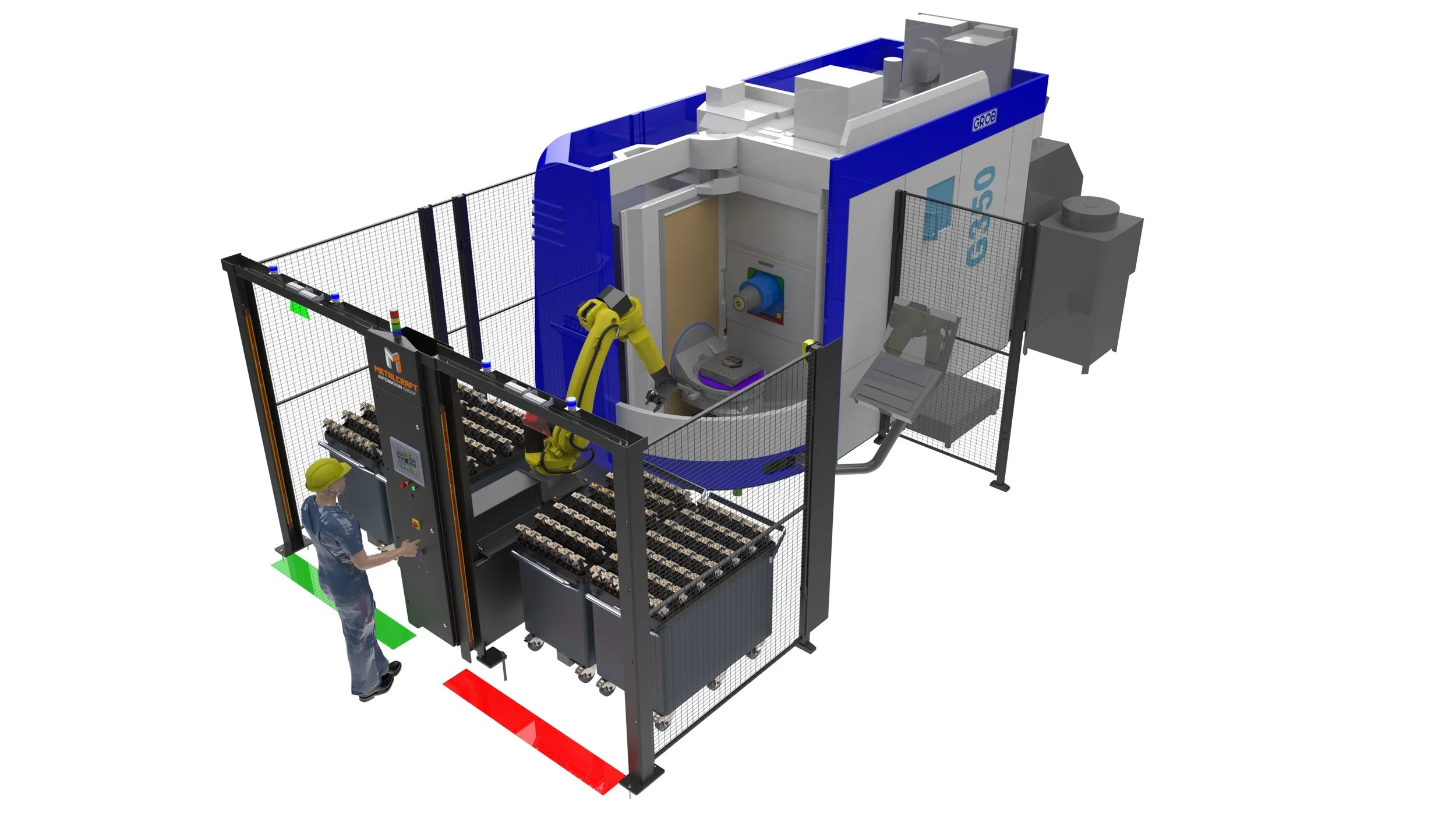
Robotic machine tending cells automate the process of loading raw materials into machine tools and removing finished parts once machining cycles finish. These systems commonly work with CNC lathes, mills, machining centers, grinders, and other production equipment.
A robotic arm performs repetitive handling tasks while integrated software coordinates movement between the robot and the machine. Additional components may include conveyors, vision systems, part storage solutions, and safety equipment.
The result is a streamlined manufacturing process that operates with greater consistency and less manual intervention.
How Do Robotic Machine Tending Cells Improve Productivity?
One of the biggest advantages of RoboTrex robotic machine tending cells involves increased productivity. Manual machine tending requires operators to load and unload parts repeatedly throughout a shift. Those repetitive actions consume valuable production time.
A robotic system performs these tasks quickly and consistently. The robot moves parts in and out of machines without breaks, distractions, or interruptions. This continuous operation reduces idle machine time and keeps production flowing.
When machines spend more time cutting parts and less time waiting for operators, productivity naturally increases.
Why Do Robotic Cells Increase Machine Utilization?
Many manufacturers invest heavily in CNC equipment. Maximizing the use of that equipment remains critical for achieving strong returns on investment.
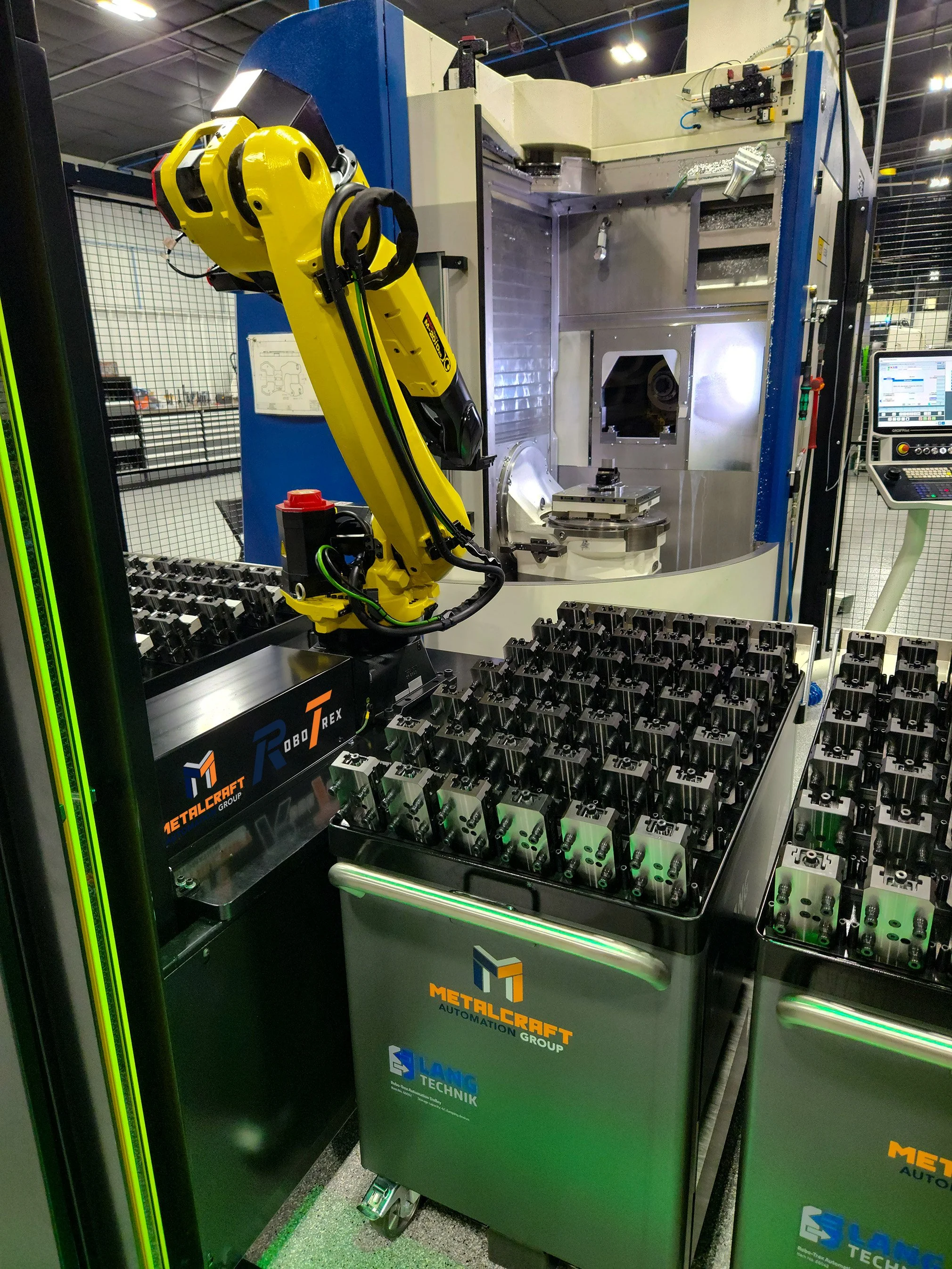
Robotic machine tending cells allow machines to run more consistently throughout the day. Instead of waiting for an operator to complete another task, the robot immediately loads the next part.
Higher machine utilization often leads to:
Increased throughput
Faster production cycles
Improved equipment ROI
Greater scheduling flexibility
These improvements help manufacturers get more value from existing equipment without purchasing additional machines.
How Can Robotic Machine Tending Support Lights-Out Manufacturing?
Lights-out manufacturing refers to production that continues with little or no human supervision. Robotic machine tending cells play a major role in making this possible.
RoboTrex robots do not require breaks, shift changes, or extended downtime. When paired with sufficient material storage and proper programming, robotic cells can continue operating after employees leave for the day.
Many manufacturers use unattended production during evenings, weekends, and holidays to increase overall output. This capability allows companies to expand production capacity without significantly increasing labor costs.
How Do Robotic Cells Address Labor Challenges?
Finding skilled manufacturing workers remains difficult for many organizations. Labor shortages affect shops of all sizes and often limit production capacity.
Robotic machine tending cells help manufacturers overcome these challenges by automating repetitive tasks that traditionally require constant operator attention.
Rather than replacing skilled workers, automation often allows employees to focus on responsibilities that require problem-solving, quality control, setup expertise, and process improvement. This shift helps companies use their workforce more effectively while reducing dependence on hard-to-fill positions.
How Does Automation Improve Consistency?
Human operators perform repetitive tasks well, but fatigue and distractions can introduce variability over time. Even small inconsistencies can affect production efficiency.
Robotic machine tending cells repeat the same motions with precision throughout every shift. The robot loads parts in the same position and follows the same sequence every cycle.
This consistency helps maintain stable production processes and reduces opportunities for handling errors. Manufacturers often see more predictable production results when robotic systems manage repetitive material handling tasks.
Can Robotic Machine Tending Improve Product Quality?
Quality remains a top priority for manufacturers across industries. Consistent part handling contributes directly to maintaining quality standards.
Robots reduce the risk of improper loading, dropped components, and positioning errors. Many systems also integrate vision technology and inspection capabilities that help verify part orientation before machining begins.
Because robotic systems perform repetitive actions with precision, manufacturers often experience fewer defects related to handling variations. Better process control supports overall product quality and customer satisfaction.
How Do Robotic Cells Enhance Workplace Safety?
Machine tending can expose workers to potential hazards, especially when handling heavy materials, sharp edges, or repetitive movements.
RoboTrex can help improve workplace safety by reducing direct interaction between employees and machine tools during routine production activities.
Automation can help minimize exposure to:
Repetitive motion injuries
Heavy lifting requirements
Sharp metal components
Machine operation hazards
Fatigue-related incidents
A safer work environment benefits both employees and employers while supporting long-term operational success.
How Flexible Are Modern Machine Tending Systems?
Some manufacturers hesitate to invest in automation because they assume robotic systems only work for high-volume production. Modern machine tending technology offers far more flexibility.
Today's robotic cells can handle multiple part types, support quick changeovers, and adapt to changing production schedules. Advanced programming tools simplify transitions between jobs and reduce setup times.
This flexibility makes robotic machine tending attractive for job shops, contract manufacturers, and operations that process a wide variety of parts.
How Does Robotic Machine Tending Support CNC Automation?
Many manufacturers pursue CNC automation to increase efficiency and reduce production bottlenecks. Robotic machine tending serves as one of the most effective entry points into automation because it directly addresses machine utilization and labor efficiency.
By connecting robots with CNC equipment, manufacturers create integrated production environments that operate with greater consistency and reliability. These systems help companies scale production while maintaining control over quality and operational costs.
As production requirements grow, robotic machine tending often provides a foundation for broader automation initiatives.
What Is the Financial Impact of Robotic Machine Tending?
Manufacturers evaluate automation investments based on measurable business outcomes. Robotic machine tending cells often deliver value through several financial benefits.
Reduced labor requirements lower operating expenses. Increased machine utilization boosts production output. Improved consistency helps reduce scrap and rework costs.
Many manufacturers also avoid purchasing additional machine tools because automation allows existing equipment to produce more parts. These combined benefits can contribute to attractive long-term returns on investment.
The exact financial impact varies based on production volume, labor costs, machine utilization rates, and application requirements. However, many companies find that automation creates opportunities for sustainable growth and improved profitability.
Which Industries Benefit Most From Robotic Machine Tending?
Robotic machine tending supports a wide range of industries. Any operation that relies on repetitive loading and unloading tasks can potentially benefit from automation.
Common industries include aerospace, medical device manufacturing, firearms manufacturing, agricultural equipment production, automotive manufacturing, and industrial machinery production.
These sectors often require consistent quality, efficient production, and high equipment utilization. Robotic machine tending helps manufacturers meet those objectives while remaining competitive in demanding markets.
Is Robotic Machine Tending Right for Your Operation?
The best automation solutions align with specific production goals and operational challenges. Manufacturers should evaluate current machine utilization, labor availability, production volume, and future growth plans when considering robotic machine tending.
Facilities that experience labor shortages, machine downtime, inconsistent throughput, or increasing customer demand often find strong value in automation. Modern robotic systems, like RoboTrex offer flexibility, scalability, and reliability that support a wide range of manufacturing environments.
As competition continues to increase across manufacturing sectors, robotic machine tending cells provide a practical path toward greater productivity, improved quality, enhanced safety, and stronger operational performance.