
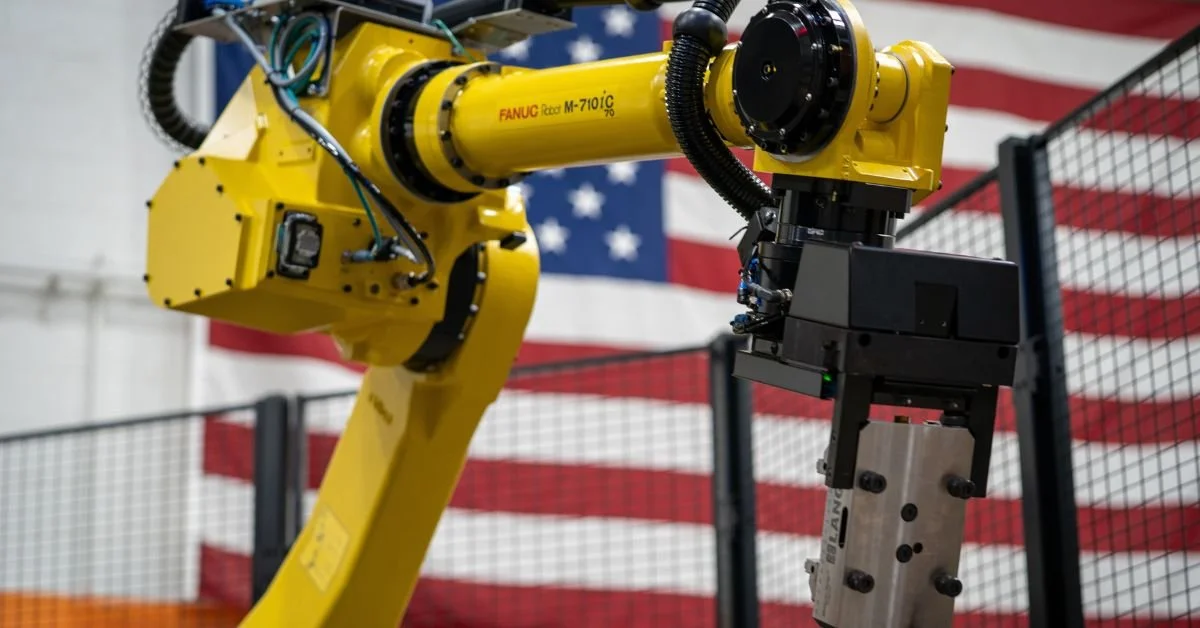
Modern manufacturing floors are powerful hubs of productivity, largely thanks to Computer Numerical Control (CNC) machines. While these systems drive incredible efficiency, they also introduce complex safety considerations. Understanding the built-in safety features of CNC automation is not just a regulatory requirement; it is a fundamental aspect of creating a secure, confident, and highly productive work environment. By leveraging these protections, you empower your team, safeguard your investments, and solidify your operational excellence.
Integrating CNC automation into your workflow is a decisive step toward future-proofing your business. These sophisticated systems are engineered with layers of protection designed to prevent accidents before they happen. From physical barriers to intelligent software protocols, every component works in unison to create a safer and more reliable production line. This allows your team to focus on high-value tasks with the assurance that their well-being is the top priority. Embrace these features to unlock the full potential of your operations and build a culture of safety that fuels success.
How Physical Guarding and Enclosures Enhance Safety
Physical guards and enclosures provide the first and most critical line of defense. These robust barriers are designed to completely separate operators from moving parts, high-speed spindles, and cutting zones. By containing chips, coolant spray, and potential tool failures within a sealed environment, enclosures protect personnel from direct physical harm. You must ensure these guards remain in place and are fully functional to maintain a secure workspace.
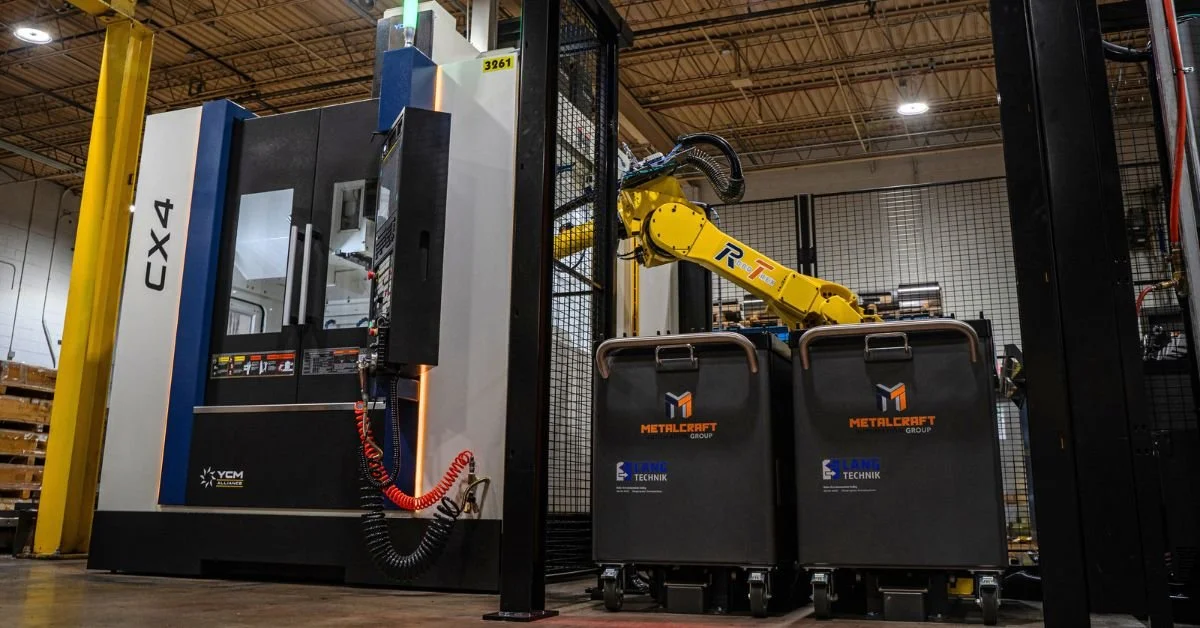
IMAGE A
How Interlock Systems Prevent Unauthorized Access
Interlock systems are smart safety mechanisms linked directly to machine enclosures. If an access door or panel is opened while the machine is running, the interlock immediately sends a signal to halt all operations. This action prevents operators from accidentally reaching into the machine during a cycle, which could cause severe injury. This feature guarantees that the machine operates only when it is securely enclosed.
How Emergency Stop Buttons Provide Immediate Control
Emergency Stop (E-Stop) buttons are a universal and non-negotiable safety feature. These highly visible, easily accessible buttons give anyone the power to stop all machine movement instantly in a crisis. When pressed, an E-Stop overrides all other commands and brings the system to a rapid and safe halt. Regular testing and clear labeling of E-Stop locations are essential for ensuring they function as your ultimate safety net.
How Automatic Tool Changers Increase Operator Safety
Automatic Tool Changers (ATCs) directly contribute to a safer environment by minimizing human interaction with the machine's inner workings. Manually changing sharp, heavy, or hot tools presents a significant risk of cuts, strains, and burns. An ATC automates this entire process, keeping the operator away from the spindle and tool magazine. This automation eliminates a frequent source of accidents and allows for a smoother, more efficient workflow.
How Proper Lighting Improves Visibility and Reduces Errors
Adequate and well-placed lighting inside the machine's work envelope is a simple yet profoundly effective safety feature. Clear visibility allows operators to monitor the machining process, identify potential issues early, and perform setup tasks with greater precision. Good lighting reduces eye strain and minimizes the chance of errors that could lead to tool collisions or workpiece damage, creating a safer and less stressful environment. Proper lighting can also improve the overall efficiency and productivity of the machine by ensuring that operators can easily and accurately see their work.
There are many different types of lighting options available for machine tools, including LED lights, halogen lights, fluorescent lights, and more. Each type has its own unique benefits suited for different environments. For example, LED lights are energy-efficient and have a longer lifespan compared to other types of lights. Halogen lights provide a brighter light output but may produce more heat. It's important to choose the right type of lighting based on your specific needs and preferences.
How Alarm and Warning Systems Alert Operators
Modern CNC machines use a sophisticated system of visual and audible alarms to communicate their status. These alerts instantly notify operators of potential problems, such as:
Over-temperature conditions
Low lubricant levels
Tool wear or breakage
Program errors
These warnings provide critical information, allowing for immediate intervention to prevent equipment damage or unsafe operating conditions. You can act decisively with these clear signals.
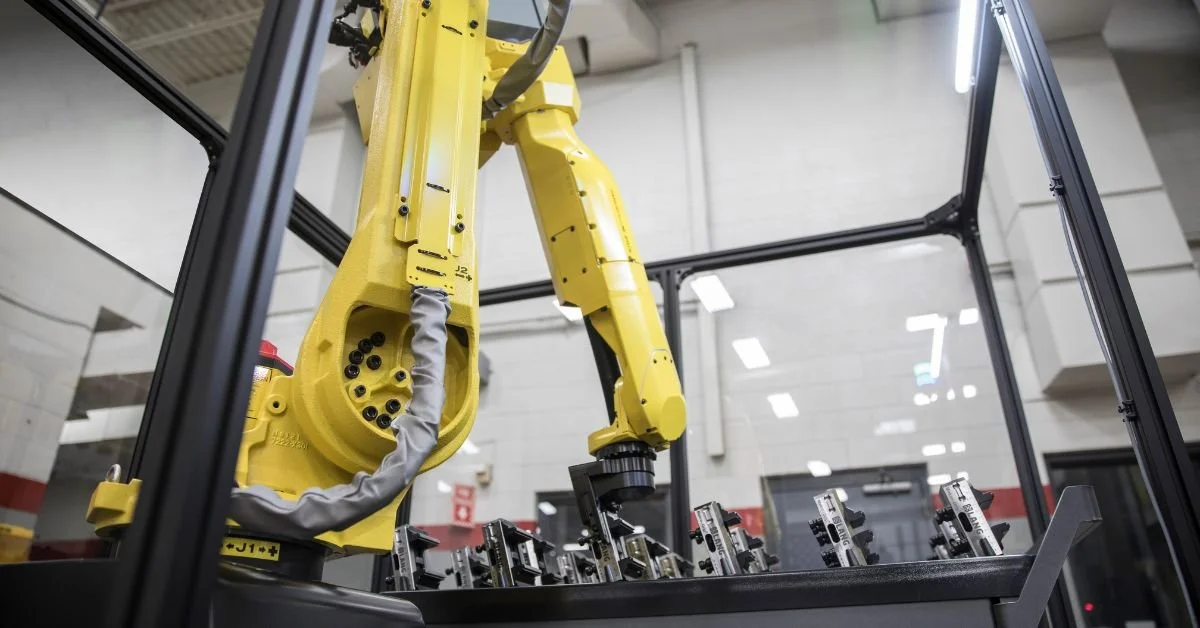
IMAGE B
How Coolant Systems Manage Heat and Debris
Coolant systems do more than just lubricate the cutting process; they are a key safety component. By effectively managing heat, they prevent tools and workpieces from overheating, which could cause material failure or fire. Coolant also flushes sharp metal chips away from the cutting zone, keeping the work area clear and preventing hazardous buildup that could interfere with machine operation.
How Advanced Software Safely Manages Operations
The control software is the brain of the CNC machine and includes numerous safety protocols. Features like pre-run simulations and collision detection allow operators to verify a toolpath virtually before any real cutting begins. This capability drastically reduces the risk of programming errors that could cause a catastrophic crash. The software confirms that every move is a safe one.
How Built-in Fire Suppression Systems Offer Protection
For machines that use oil-based coolants or machine materials with a high fire risk, built-in fire suppression systems offer an essential layer of protection. These automated systems detect a fire and deploy a fire-suppressing agent directly into the work envelope, extinguishing it quickly and protecting your valuable equipment and facility. This feature provides peace of mind and safeguards your assets.
How Redundant Safety Circuits Ensure Reliability
Redundant safety circuits provide a critical fail-safe. These systems use multiple, independent channels to monitor safety functions like E-stops and interlocks. If one circuit fails, the backup circuit ensures the safety command is still executed. This design principle guarantees that your most important safety features remain reliable and operational, even in the event of a component failure.
Build a Safer, More Productive Future
Embracing the full spectrum of CNC automation safety features is the key to transforming your workplace. These technologies are not just about compliance; they are about creating an environment where your team can perform at its best, free from unnecessary risk. By understanding and utilizing these protections, you are making a powerful investment in your people, your equipment, and the future of your company. Take control of your operations and build a foundation of safety that drives unparalleled productivity and quality.