
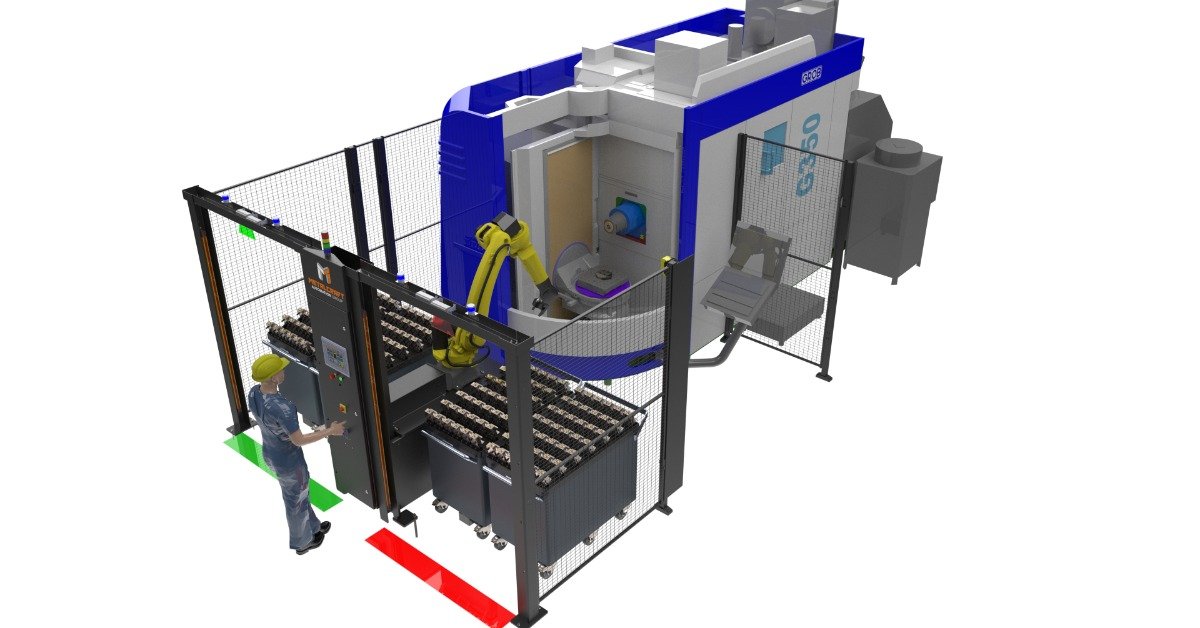
Manufacturers continue to face increasing pressure to produce a wider variety of parts while maintaining high quality, short lead times, and competitive costs. Many machine shops no longer dedicate equipment to a single product for weeks or months at a time. Instead, they switch between part numbers frequently to meet customer demand, making high-mix production the standard rather than the exception.
Traditional automation often struggles in these environments because frequent changeovers reduce efficiency. Flexible automation changes that equation by allowing manufacturers to automate repetitive tasks without sacrificing adaptability. RoboTrex helps manufacturers achieve both objectives by supporting rapid transitions between production runs while keeping CNC machines productive.
What Is High-Mix Production?
High-mix production refers to manufacturing operations that produce many different part types in relatively small quantities. Instead of running thousands of identical components, manufacturers may produce dozens or hundreds of different parts throughout a week.
This production model appears frequently in industries such as:
Aerospace
Medical device manufacturing
Firearms
General machining
Contract manufacturing
Precision machining
Each new part often requires different fixtures, tooling, machine programs, or handling methods. Success depends on completing these transitions quickly while maintaining quality and machine utilization.
Why High-Mix Manufacturing Creates Unique Challenges
High-mix production introduces complexity that affects nearly every aspect of manufacturing.
Operators must prepare new jobs more frequently. Setup teams perform additional changeovers. Production planners constantly adjust schedules based on customer priorities. Machines often sit idle while personnel load new material or verify programs.
Several common challenges include:
Frequent setup changes
Short production runs
Varying part sizes
Tight delivery schedules
Labor shortages
Maintaining consistent quality
Without automation designed for flexibility, these factors reduce throughput and increase operating costs.
Flexible Automation Makes High-Mix Production Practical
Older automation systems often performed best when manufacturers ran the same part for extended periods. Every changeover required lengthy adjustments that eliminated many productivity gains.
Modern automation focuses on flexibility instead.
Manufacturers can automate loading and unloading while changing jobs efficiently throughout the day. Operators spend less time performing repetitive handling tasks and more time managing production.
This flexibility allows shops to improve utilization even when production schedules change frequently.
How RoboTrex Addresses Production Variability
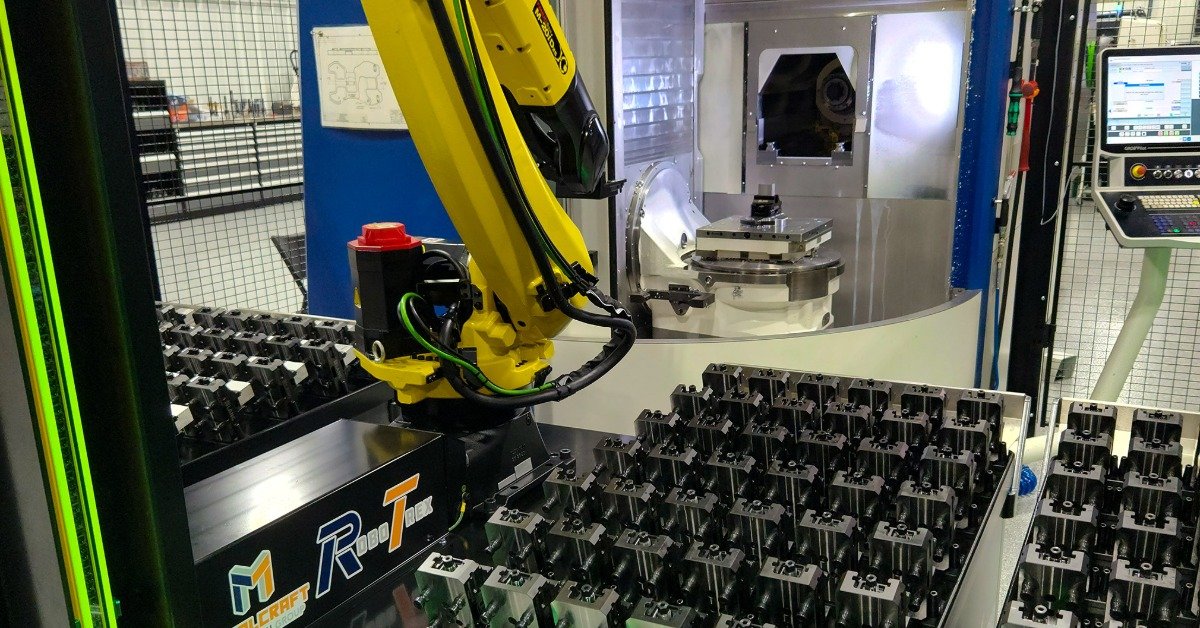
The RoboTrex product family focuses on CNC machine tending applications that require dependable automation with adaptable configurations. Rather than forcing manufacturers into a single production method, the system supports a wide range of machining operations across changing workloads.
Manufacturers can configure automation around their production requirements while maintaining consistent machine tending performance.
The RoboTrex CNC machine tending robot helps manufacturers automate material handling for CNC equipment while supporting production environments that demand frequent job changes. Instead of limiting flexibility, automation becomes an asset that adapts alongside production requirements.
Faster Changeovers Improve Machine Utilization
Every minute spent changing jobs represents time when machines stop producing parts.
High-mix manufacturers often perform multiple changeovers each day. Even modest improvements during each transition create substantial productivity gains over weeks and months.
With the initial investment in multiple LANG vises on the RoboTrex cart system, companies can gain valuable machine time by eliminating changeover time, and therefore, drastically increase their return on investment. This extra run time allows companies to make more parts in less time, helping to increase production, profits, and customer satisfaction.
Consistent Material Handling Supports Better Quality
Manual loading introduces variation into every production cycle.
Different operators may position parts differently, apply inconsistent timing, or vary loading techniques during long shifts. These inconsistencies become more noticeable during short production runs because operators continually switch between different components.
Automated machine tending performs repetitive loading tasks consistently.
Each cycle follows the same programmed sequence, helping manufacturers reduce unnecessary variation during production.
While machining parameters ultimately determine finished part quality, consistent material handling supports repeatable manufacturing processes across multiple production runs.
Supporting Multiple Part Families
Many manufacturers produce families of components rather than completely unrelated products.
Although dimensions differ, these parts often share similar machining operations or production workflows.
Flexible automation supports these manufacturing environments because operators can transition between compatible part families without rebuilding an entire automation system.
This capability benefits manufacturers serving multiple customers or producing numerous product variations throughout the year.
Instead of reserving automation for only high-volume work, shops can extend automation across a broader range of production.
Reducing Operator Workload
Labor shortages continue to challenge manufacturers across the machining industry.
Finding experienced CNC operators remains difficult, while existing employees often balance multiple responsibilities during each shift.
Automation reduces repetitive loading and unloading activities that consume valuable operator time.
Instead of standing in front of one machine throughout an entire shift, operators can oversee multiple machines, inspect completed parts, manage setups, prepare tooling, or resolve production issues.
Keeping CNC Machines Running Longer
Machine utilization remains one of the most important factors affecting manufacturing productivity.
Every idle minute represents lost production capacity.
Automation helps reduce downtime between machining cycles by maintaining a steady flow of material into and out of CNC equipment.
This consistency becomes especially valuable during longer machining cycles, where manual loading can leave machines waiting unnecessarily between completed parts.
When machines spend more time cutting material instead of waiting for operators, manufacturers increase throughput without purchasing additional equipment.
Supporting Lights-Out and Extended Production
Not every high-mix manufacturer operates unattended overnight, but many seek opportunities to extend productive hours beyond traditional staffing schedules.
Flexible automation creates additional production opportunities during evenings, weekends, or other periods when staffing remains limited.
Manufacturers may choose to run selected jobs with automated material handling while preparing additional work for the next shift.
Even partial unattended production increases available machine capacity while helping companies meet demanding delivery schedules.
Scalable Automation for Growing Shops
Production requirements rarely remain static.
A shop may begin by automating one CNC machine before expanding automation across multiple machining centers as business grows.
Scalable automation allows manufacturers to invest according to current production needs while maintaining the ability to expand later.
This approach supports long-term planning without requiring every future production scenario to exist on day one.
As product mixes evolve, manufacturers can continue adapting their operations instead of replacing automation with entirely new systems.
Why Pre-Engineered Automation Benefits High-Mix Manufacturing
Manufacturers often seek automation that balances proven reliability with production flexibility.
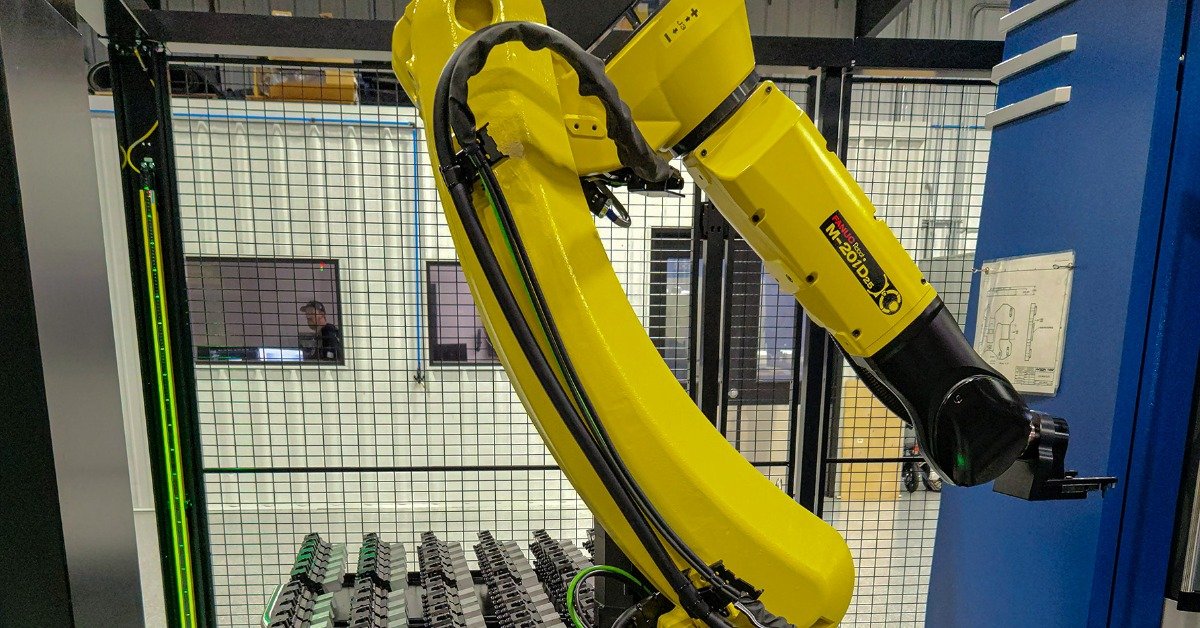
Pre-engineered automation solutions provide standardized designs that simplify implementation while still supporting a wide variety of manufacturing applications. Metalcraft Automation Group specializes in designing, building, installing, training, and supporting both pre-engineered and turnkey manufacturing automation systems for CNC machining and other production processes.
For manufacturers operating high-mix environments, this combination helps reduce implementation time while delivering dependable machine tending performance.
Rather than developing every automation project entirely from scratch, companies can adopt proven solutions that support evolving production requirements.
Choosing Automation That Matches Production Goals
Every manufacturing operation defines high-mix production differently.
Some companies produce dozens of part numbers every week. Others manufacture hundreds of unique components each month. Regardless of production volume, successful automation depends on selecting solutions that complement existing workflows instead of creating new bottlenecks.
Before implementing machine tending automation, manufacturers should evaluate:
Part size and weight ranges
Typical production volumes
Frequency of changeovers
Available floor space
CNC machine compatibility
Future production growth
Careful planning helps make sure automation continues supporting operations as customer demands change.
The Future of High-Mix Manufacturing
Customers expect shorter lead times, customized products, and consistent quality regardless of production volume. Manufacturers must respond quickly without sacrificing profitability.
Automation plays an increasingly important role in achieving those objectives.
Flexible machine tending solutions allow shops to improve machine utilization, reduce repetitive labor, support frequent changeovers, and maintain consistent production across a wide variety of parts.
As high-mix manufacturing becomes more common across industries, adaptable automation systems like RoboTrex position manufacturers to respond confidently to changing market demands while making better use of their existing CNC equipment.