
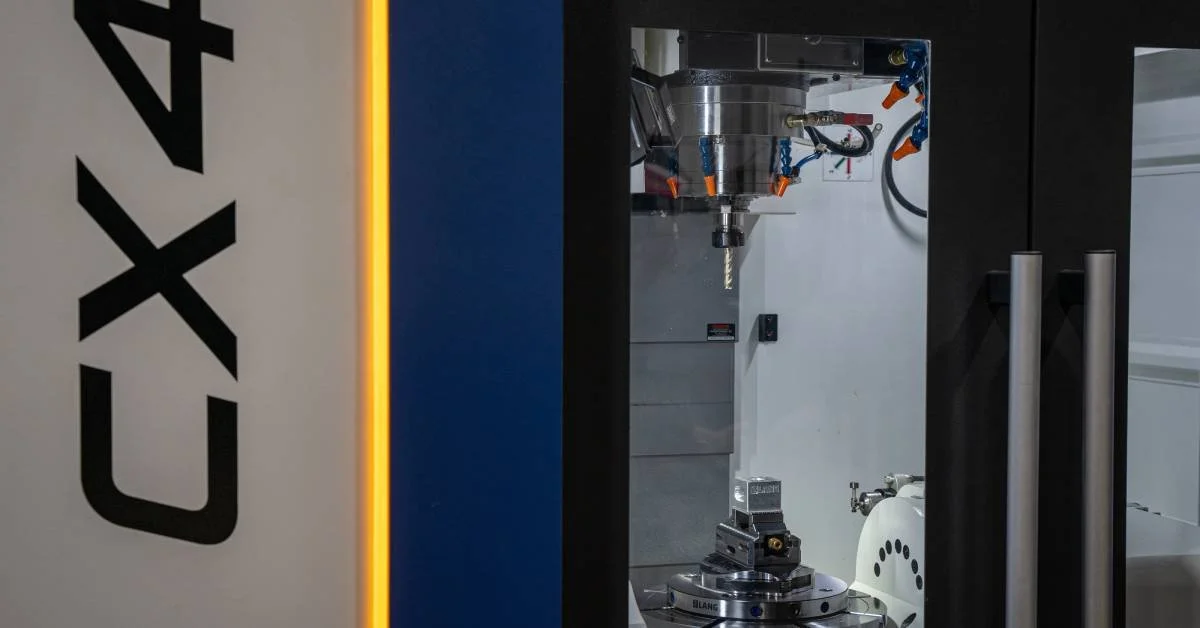
Taking the leap into automation transforms how you do business. It signifies a move from traditional, labor-intensive processes to a future defined by precision, speed, and efficiency. For machine shop owners and managers, the decision to automate often stems from a desire to solve persistent challenges—labor shortages, inconsistent quality, or production bottlenecks. But understanding the specific outcomes of this transition is crucial for success.
When you integrate robotics and automated systems into your CNC workflows, you unlock potential that manual operations simply cannot match. You gain the ability to run lights-out production with less labor while freeing up your skilled workforce for higher-value tasks. You will also realize higher throughput, consistent workflow, reduced workplace injuries, and more. This transition requires planning, but the rewards are substantial.
We will break down exactly what happens when you bring automation onto your CNC shop floor. From the initial changes in workflow to the long-term impact on your bottom line, here is what you can expect during your automation journey.
You Will See an Immediate Shift in Workflow Dynamics
The first noticeable change involves how your shop floor operates. Automation does not just speed up existing processes; it fundamentally alters the flow of materials and data. Your team will spend less time on repetitive loading and unloading tasks and more time managing the systems that perform this work.
This shift requires a new mindset. Operators move from being hands-on participants in every cycle to process managers who oversee multiple machines. This transition optimizes the use of your human capital, allowing your most skilled employees to focus on programming, quality control, and process improvement rather than mundane labor.
Production Capacity Increases Significantly
One of the most compelling reasons to automate is the sheer increase in output. Automated systems work tirelessly. They do not take breaks, call in sick, or suffer from fatigue. This reliability allows you to extend your operating hours without increasing your headcount.
You can expect to see:
Consistent cycle times that make scheduling predictable.
The ability to run production through nights and weekends.
Reduced downtime between parts.
Higher throughput for high-volume orders.
By maximizing spindle uptime, you extract more value from your existing CNC machines. Automation turns idle time into production time, directly impacting your ability to meet tight deadlines and accept larger contracts.
Quality Consistency Becomes the New Standard
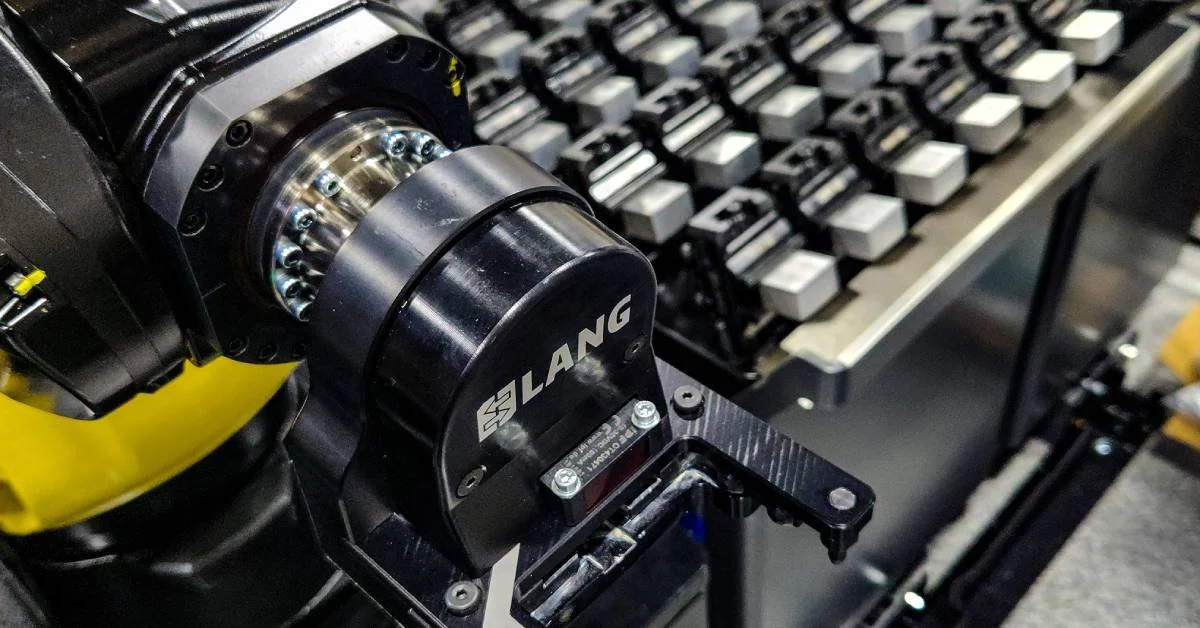
Human error is natural, but in precision manufacturing, it is costly. Fatigue, distraction, or simple variations in technique can lead to scrapped parts and rework. Automation drastically help reduce these variables. Once parts are queued up for hours whether of unattended time, a robot will consistently load those parts with extreme precision.
Expect your scrap rates to drop. When you remove the variability of manual handling, you achieve a level of consistency that satisfies even the most demanding industries, such as aerospace and medical device manufacturing. Your customers will notice the improvements with automation, building trust and strengthening your reputation as a reliable supplier.
Your Workforce Roles Will Evolve
A common fear is that automation replaces jobs. In reality, it upgrades them. When you automate your CNC shop, you remove the dull, dirty, and dangerous tasks from your employees' daily routines. This change improves job satisfaction and safety.
Your team will need to adapt to new responsibilities. They will learn to interact with industrial automation solutions, such as robots, and troubleshoot automated cells. This evolution creates a more skilled, engaged workforce. By investing in their development, you retain valuable talent and create a culture of creativity, critical thinking, and innovation within your company.
Setup Times and Changeovers Get Faster
Modern automation is designed for flexibility. Gone are the days when automation only made sense for massive runs of identical parts. Today's systems allow for rapid changeovers, making high-mix, low-volume production economically viable.
You can expect standardized workholding and pallet systems to streamline your setup processes. With the right technology, switching from one job to the next becomes a matter of minutes, not hours. This agility allows you to respond quickly to changing customer needs and take on a wider variety of work without sacrificing efficiency.
Data Visibility Improves Decision Making
Automation brings connectivity. Automated systems generate data on every aspect of production, from cycle counts to error logs. You gain real-time visibility into your shop's performance.
This data empowers you to make informed decisions. You can identify bottlenecks, track tool life more accurately, and predict maintenance needs before they cause downtime. Instead of reacting to problems after they occur, you become proactive, optimizing your operations based on hard evidence rather than intuition.
Safety On the Shop Floor Enhances
Machine shops present inherent risks. Heavy lifting, sharp chips, and repetitive motions contribute to workplace injuries. Automation mitigates these dangers by placing robots in the most hazardous roles.
You will see a reduction in workplace incidents. Automated cells often include safety fencing, light curtains, and sensors that protect human workers from moving machinery. By prioritizing safety through automation, you protect your most valuable asset—your people—and reduce costs associated with injury claims and lost time.
ROI Realization Happens Sooner Than You Think
The upfront cost of automation is an investment, but the return on investment (ROI) is often faster than anticipated. When you factor in increased production capacity, reduced scrap, lower labor costs per part, and extended operating hours, the math works in your favor.
Many shops see a return within 12 to 24 months. Beyond the direct financial gains, you also build value through increased competitiveness. You can bid on jobs more aggressively, knowing your costs are lower and your capacity is higher. This financial resilience positions your business for long-term growth and stability.
Competitive Advantage Sharpens in the Market
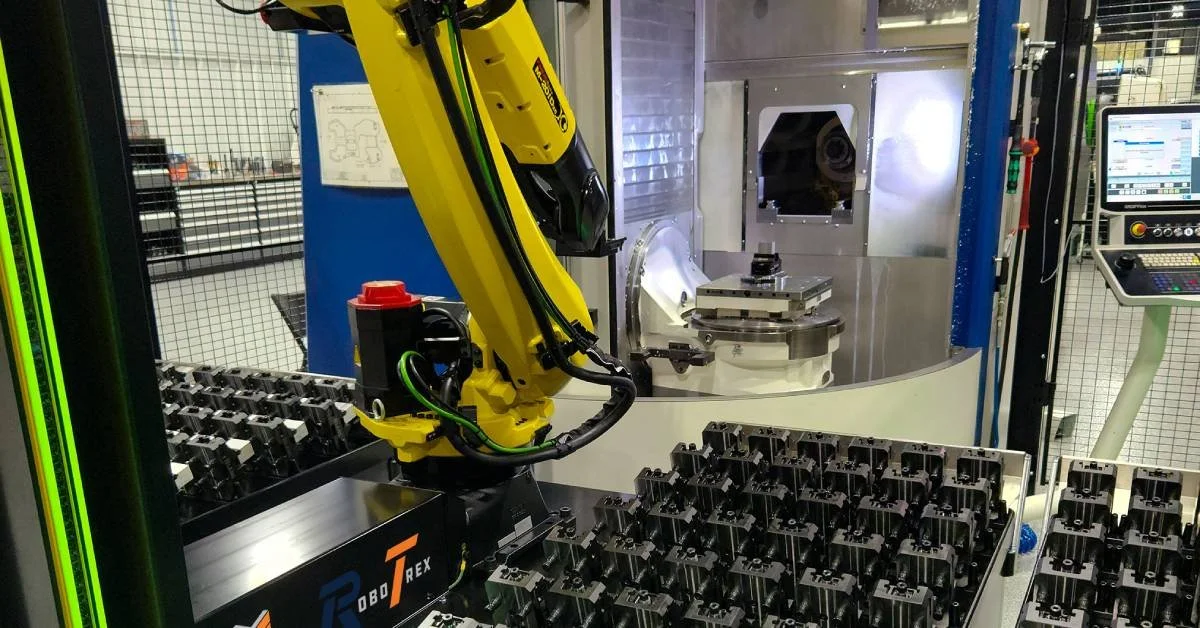
The manufacturing landscape is competitive. Shops that refuse to modernize risk falling behind. By automating, you signal to the market that you are a forward-thinking partner capable of handling complex, high-volume work.
You can expect to win more bids. The efficiency gains from automation allow you to offer competitive pricing while maintaining healthy margins. Furthermore, the ability to deliver consistent quality on time makes you a preferred vendor for OEMs and large tier-one suppliers.
Maintenance Strategies Shift to Predictive Models
With automated systems, maintenance becomes more structured. You cannot afford for a robot to go down unexpectedly, so you move from reactive repairs to preventative strategies.
Expect to implement a schedule for checking sensors, lubricating joints, and updating software. While this adds a layer of responsibility, it prevents catastrophic failures. Over time, the data collected by your systems can even help you predict when a component is likely to fail, allowing you to service it during planned downtime rather than interrupting a critical production run.
Make the Move to Automation Today
The transition to an automated CNC shop is a journey of transformation. It impacts every facet of your business, from the shop floor to the front office. While it requires capital and commitment, the outcomes—higher productivity, better quality, and a safer workplace—are undeniable.
You do not have to navigate this path alone. The technology exists to solve your specific challenges, whether you are a small job shop or a large-scale manufacturer. By embracing automation, you take control of your production destiny. You build a business that is resilient, efficient, and ready for whatever the future holds.