
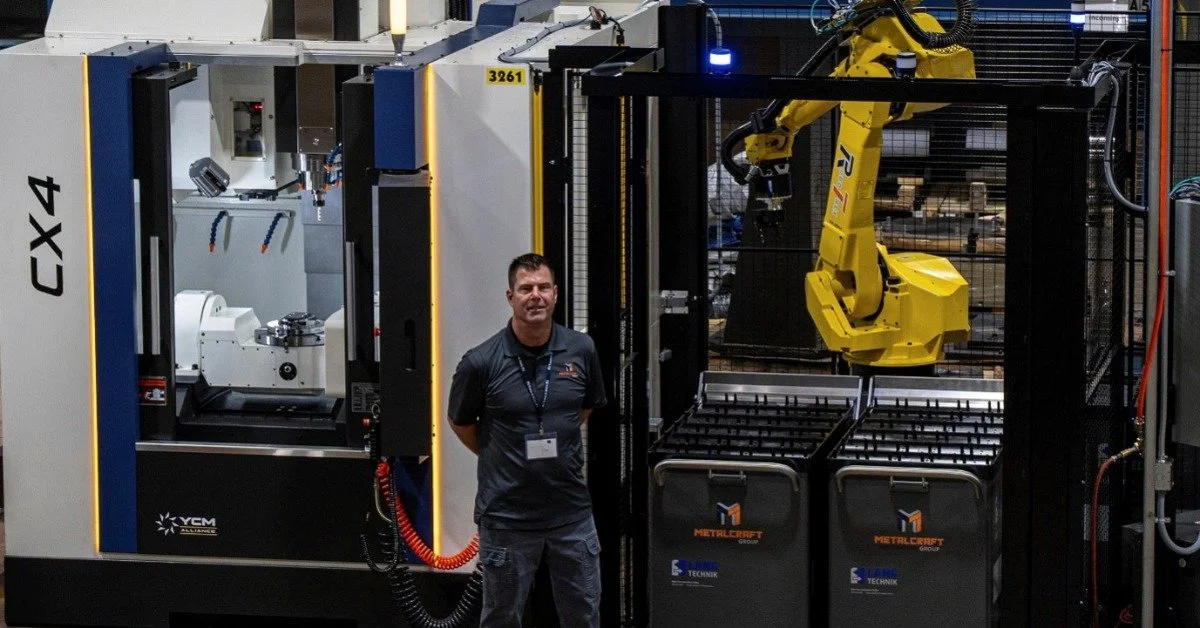
Manufacturers constantly look for ways to increase production without adding unnecessary labor costs or purchasing additional CNC machines. Robotic machine tending offers one potential solution, especially for shops that struggle with equipment downtime or staffing shortages. However, choosing the right automation system requires careful consideration of both its advantages and limitations.
MAG-XL automation systems (formerly RoboTrex USA) help machine shops automate repetitive loading and unloading tasks while supporting more consistent production. Understanding the pros and cons of these MAG-XL systems can help manufacturers determine whether robotic automation fits their equipment, workflows, and long-term business goals.
What Are MAG-XL Automation Systems?
MAG-XL systems use robotic technology to automate CNC machine tending operations. Instead of requiring operators to manually load and unload every workpiece, these systems use robotic arms and specialized carts to move materials through machining processes.
Metalcraft Automation Group offers MAG-XL CNC automation solutions that help manufacturers improve equipment utilization while reducing repetitive manual tasks. The systems work with compatible CNC equipment and support various production environments, including job shops and facilities that manufacture multiple part types.
Pro: Increased CNC Machine Utilization
One of the biggest advantages of MAG-XL automation involves improved machine utilization. CNC machines frequently sit idle while operators prepare materials, take breaks, or attend to other responsibilities. Not to mention the huge labor shortage that leaves machines sitting unattended during 2nd shift, 3rd shift, and weekends.
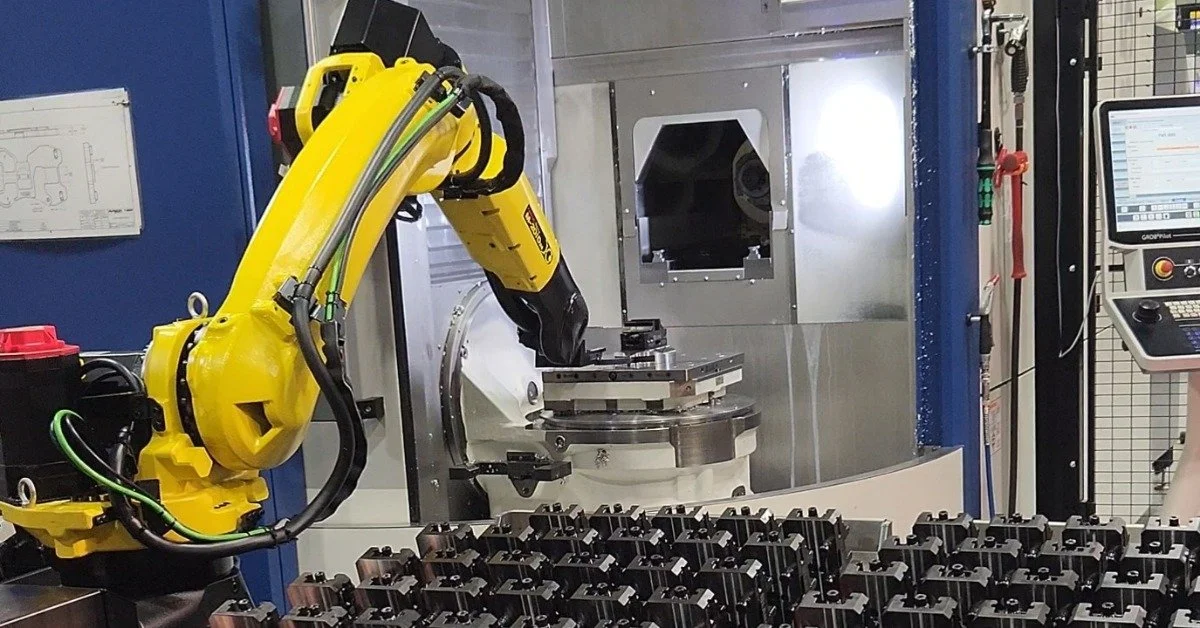
MAG-XL reduces these downtimes by automating repetitive machine tending activities. The robot transfers workpieces between storage carts and CNC equipment, allowing machines to continue operating 24/7 with less manual intervention.
This improvement helps manufacturers generate more productive machining hours from their existing equipment. Shops can potentially increase output without investing in additional CNC machines.
Pro: Reduced Dependence on Manual Labor
Finding qualified CNC operators remains a challenge for many manufacturing facilities. Even shops with experienced employees may struggle to maintain consistent staffing across multiple shifts.
MAG-XL helps address this challenge by handling repetitive loading and unloading operations. Employees can focus on responsibilities that require greater technical knowledge, including machine setup, programming, and quality inspections.
Automation also helps facilities maintain production when operators handle other assignments. Rather than eliminating the need for skilled employees, MAG-XL allows manufacturers to use their available workforce more effectively.
Pro: Greater Potential for Lights-Out Manufacturing
Lights-out manufacturing allows CNC machines to continue producing parts outside normal operating hours. MAG-XL supports this approach by automatically supplying workpieces and removing completed components.
Operators can prepare carts before leaving, allowing compatible machining operations to continue during evenings or overnight periods. This capability creates opportunities to increase production without scheduling additional employees for every operating hour.
However, successful unattended production still requires reliable machining programs and appropriate monitoring procedures. Manufacturers must confirm that their equipment can safely support extended automated operation.
Pro: Faster Changeovers Between Production Jobs
Frequent changeovers can significantly reduce productivity in shops that manufacture different components throughout the day. Traditional automation systems sometimes require extensive adjustments when operators switch between part configurations.
MAG-XL uses compatible workholding technology to simplify transitions between machining jobs. Operators can prepare workpieces in advance and organize production carts around upcoming manufacturing requirements.
This approach helps reduce interruptions between jobs and supports facilities that handle high-mix production. Manufacturers can spend less time managing repetitive setup activities and more time completing machining operations.
Pro: Improved Consistency in Material Handling
Manual machine tending introduces opportunities for variation between production cycles. Different operators may handle workpieces differently, particularly during demanding shifts or repetitive assignments.
MAG-XL follows consistent robotic movements when transferring components into and out of CNC equipment. This repeatability helps maintain predictable handling procedures throughout production.
Although robotic tending cannot correct machining problems or guarantee finished-part quality, it can reduce certain handling-related inconsistencies. Manufacturers still need appropriate inspection procedures to verify dimensional accuracy and product requirements.
Pro: Better Use of Available Floor Space
Manufacturing facilities often have limited space for additional equipment. Installing automation can create challenges when existing machine layouts leave little room for large material handling systems.
MAG-XL uses cart-based workpiece storage with Xtreme Loading capacity to queue materials at the CNC machines. Its compact storage approach can help manufacturers accommodate high volume automation without completely rearranging their production areas.
Actual space requirements depend on equipment configurations and surrounding workstations. Facilities should evaluate access points, maintenance clearances, and material movement before selecting a system. Metalcraft’s Automation Group’s Consultants can help with choosing the most appropriate layout options to maximize floorspace and Return On Investment (ROI).
Con: Significant Initial Investment
Although automation can improve long-term productivity, purchasing a MAG-XL system requires an upfront financial commitment. Manufacturers must consider equipment costs alongside integration expenses and any necessary workholding investments.
The financial impact varies depending on the existing CNC equipment and production requirements. Smaller shops may need additional planning to determine whether expected productivity improvements justify the purchase.
A realistic return-on-investment calculation should consider:
Initial automation and installation costs
Additional workholding and tooling expenses
Expected increases in productive machine hours
Potential labor savings from reduced manual tending
Ongoing maintenance and operating costs
These factors help manufacturers compare anticipated benefits against the total cost of ownership.
Con: Part Size and Weight Restrictions
Every robotic automation system has physical operating limitations. MAG-XL systems must accommodate the dimensions and weight of the workpieces that operators intend to process.
Oversized components or unusually shaped parts may require specialized handling arrangements. Certain applications may fall outside the capabilities of a particular system configuration.
Manufacturers should review their typical part mix before investing in automation. Evaluating component dimensions and workholding requirements helps identify which jobs offer the strongest opportunities for successful implementation.
Con: Training and Workflow Adjustments
Even user-friendly automation systems require employees to understand new operating procedures. Introducing MAG-XL changes how operators prepare workpieces, organize production carts, and coordinate machining activities.
Employees need training to operate equipment correctly and respond to unexpected interruptions. Managers must also establish procedures for maintenance and safe operation when considering any automation solution.
Metalcraft Automation Group provides installation and operator training to help customers adopt its automation solutions quickly and easily. Nevertheless, manufacturers should allow time for employees to become comfortable with automated workflows.
Con: Automation Cannot Eliminate Every Production Bottleneck
Robotic machine tending addresses loading and unloading activities, but these tasks represent only part of the manufacturing process. CNC programs, cutting tools, and downstream operations can still limit overall production capacity.
For example, a machine may experience interruptions because of tool wear or material-related problems. MAG-XL cannot automatically resolve every issue that occurs during machining.
Manufacturers should examine their entire production process before investing. Identifying the actual causes of downtime helps determine whether automated machine tending will deliver meaningful improvements.
Con: Maintenance Remains Necessary
Like other manufacturing equipment, robotic automation systems require ongoing maintenance. Mechanical components and workholding equipment need regular attention to maintain reliable performance.
Unexpected equipment problems can interrupt automated production and affect connected CNC operations. Facilities must establish maintenance procedures that support consistent system availability.
Metalcraft Automation Group will provide preventive maintenance helps reduce the likelihood of avoidable interruptions. Manufacturers should also understand available technical support options before implementing robotic automation.
Are the Benefits of MAG-XL Worth the Investment?
MAG-XL offers meaningful advantages for manufacturers seeking greater CNC productivity and more efficient labor utilization. Its ability to automate repetitive tasks can help shops improve consistency while creating opportunities for unattended machining.
However, upfront costs and application limitations deserve careful attention. Manufacturers achieve better results when they match automation capabilities with suitable parts and realistic production goals.
Ultimately, the value of MAG-XL depends on how effectively a facility incorporates the technology into its existing operations. Careful planning and working with Metalcraft Automation Group’s consultants can help businesses make informed decisions about their automation investments.
Explore MAG-XL Solutions With Metalcraft Automation Group
Choosing CNC automation like MAG-XL requires a clear understanding of your equipment and production challenges. Metalcraft Automation Group’s consultants helps manufacturers evaluate automation opportunities and implement solutions that support their operational needs.
Whether your facility wants to reduce manual machine tending or increase productive machining hours, MAG-XL may offer a practical path forward. Contact Metalcraft Automation Group to discuss your CNC operations and explore available MAG-XL automation options.