Manufacturers rarely operate under the same production conditions for long. Customer orders fluctuate, product designs evolve, and delivery expectations change. These shifts create challenges for machine shops that rely on equipment and workflows built around predictable production schedules. Adaptive automation helps manufacturers respond to changing demands without constantly rebuilding their operations.
Unlike rigid systems that support only one production task, adaptive automation allows manufacturers to adjust processes as requirements evolve. Companies can use flexible equipment, programmable robotics, and modular components to accommodate different workloads. This approach helps shops maintain productivity while preparing for future production changes.
What Is Adaptive Automation in Manufacturing?
Adaptive automation refers to automated systems that can accommodate changes in production requirements through programming, equipment adjustments, or modular configurations. These systems help manufacturers handle different parts and production volumes without completely replacing existing equipment.
Traditional automation often works best when manufacturers produce identical components repeatedly. Adaptive systems offer greater flexibility when product specifications or production schedules change.
For machine shops, this flexibility can support a broader range of customer orders while reducing unnecessary equipment investments.
Why Do Changing Production Needs Require Flexible Automation?
Production demands rarely remain consistent across every customer or industry. A shop might handle large orders one month and smaller, specialized projects the next. Equipment that supports only one production pattern can create bottlenecks when those requirements shift.
Flexible automation helps manufacturers adjust their operations without introducing extensive manual processes. Operators can modify programs, change tooling, or update production sequences to accommodate new requirements.
This adaptability allows shops to pursue different projects while maintaining more consistent equipment utilization.
How Does Adaptive Automation Support High-Mix Production?
High-mix manufacturing involves producing different components within the same facility, often in smaller quantities. Each product may require unique machining programs, tooling configurations, or handling procedures.
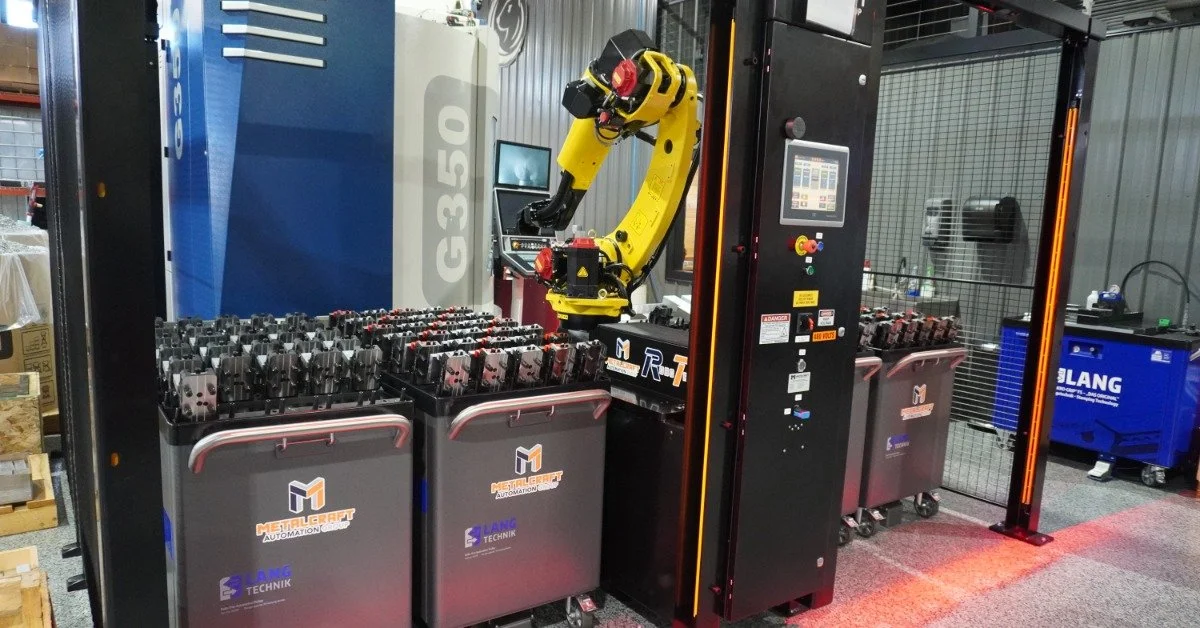
Adaptive systems help shops manage this variety through programmable equipment and repeatable changeover processes. Robotic machine tending systems, for example, can support different components when manufacturers provide compatible workholding and handling configurations.
The goal involves reducing the disruption that frequently accompanies product changes. Shops can spend less time preparing equipment and more time completing customer orders.
How Can Automation Reduce Production Changeover Times?
Changeovers occur when manufacturers transition equipment from one product or operation to another. These transitions may involve replacing fixtures, adjusting tooling, or loading new machine programs.
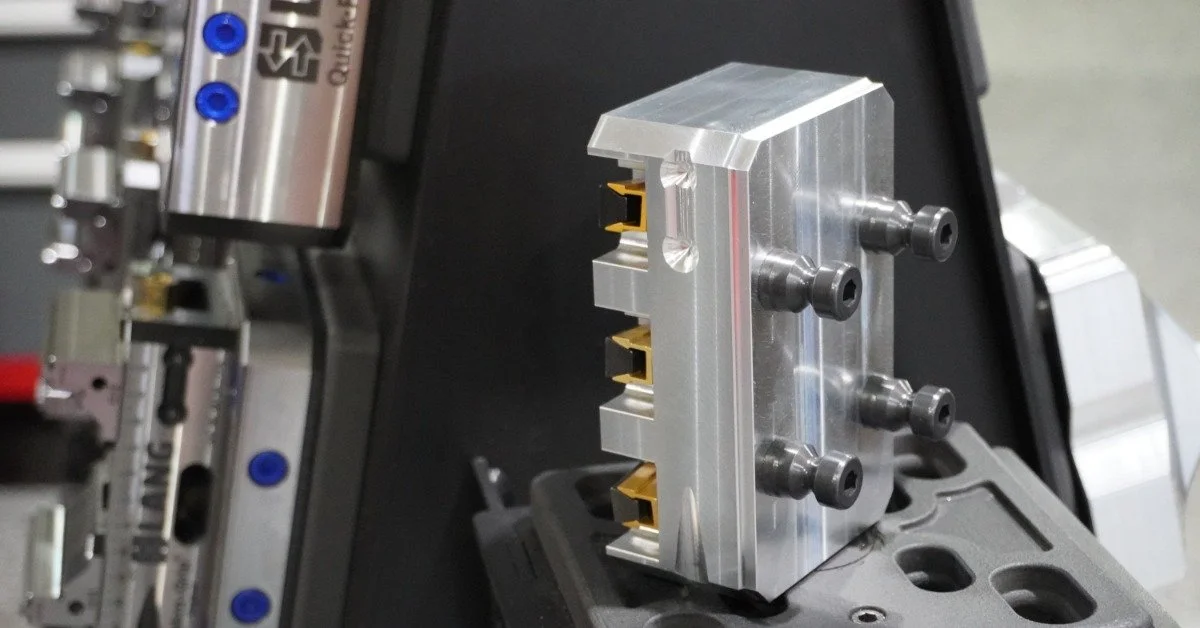
Adaptive automation can simplify these activities through standardized interfaces and flexible equipment configurations. Manufacturers can also develop repeatable setup procedures that reduce unnecessary adjustments between production runs.
Shorter changeovers help shops maintain productive machine time, particularly when customers request smaller batches. However, actual improvements depend on equipment compatibility and the complexity of each production process.
What Role Do Modular Systems Play in Adaptive Automation?
Modular automation allows manufacturers to build production systems using components that support future adjustments or expansion. Instead of replacing an entire automation cell, shops may modify compatible modules as operational requirements change.
For example, a manufacturer might expand material handling capacity or update a workholding configuration to accommodate additional products.
Modular designs also help companies approach automation investments incrementally. Businesses can address immediate production challenges while considering how equipment might support future applications.
Successful expansion still requires careful planning around available space, controls, and equipment compatibility.
How Do Robotics Improve Manufacturing Flexibility?
Industrial robots can perform different tasks when manufacturers configure them with appropriate tooling and programming. This versatility makes robotic systems valuable in facilities that regularly adjust production requirements.
Robotic applications may include machine tending, welding, or part finishing. Manufacturers can modify robot programs to support different products when the equipment and surrounding processes allow those changes.
However, flexibility depends on more than the robot itself. End-of-arm tooling, safety systems, and machine interfaces must also support the intended applications.
How Does Adaptive Automation Improve Equipment Utilization?
Equipment utilization measures how effectively manufacturers use available production resources. Frequent interruptions, lengthy setups, and inconsistent material handling can reduce productive operating time.
Adaptive automation helps address these challenges by supporting smoother transitions between compatible production tasks. Automated handling systems can also maintain consistent loading and unloading cycles when operators prepare equipment correctly.
Manufacturers should evaluate utilization across the entire process rather than focusing exclusively on individual machines.
A productive robot cannot eliminate delays caused by unavailable materials or poorly coordinated upstream operations.
Can Adaptive Automation Help Address Labor Challenges?
Many manufacturers face difficulties maintaining sufficient staffing for repetitive production activities. Adaptive systems can help companies use available employees more effectively by automating suitable tasks.
Robotic machine tending, for example, can handle repetitive loading and unloading operations while employees focus on setup activities, inspections, or other responsibilities.
Automation does not eliminate the need for skilled personnel. Shops still need employees who understand equipment operation, process requirements, and troubleshooting procedures.
The primary advantage involves giving existing teams greater flexibility to manage changing workloads.
How Does Adaptive Automation Support Production Scalability?
Scalability describes a manufacturer's ability to increase or decrease production capacity as demand changes. Adaptive automation can support this goal when companies select equipment that accommodates future requirements.
Manufacturers should consider several factors when evaluating scalable systems:
Available production capacity
Equipment compatibility
Potential product variations
Required floor space
Future tooling requirements
These considerations help companies determine whether an automation investment can support changing workloads.
Scalability also depends on surrounding processes. Additional robotic capacity offers limited benefits when machining operations or material availability constrain overall output.
What Challenges Should Manufacturers Consider Before Implementation?
Adaptive automation offers flexibility, but manufacturers must evaluate practical limitations before selecting equipment. Not every production process benefits equally from frequent reconfiguration.
Complex part geometries may require specialized tooling that limits flexibility. Certain operations also demand extensive programming adjustments whenever manufacturers introduce new components.
Integration presents another important consideration. Existing machines must communicate reliably with automation equipment, and safety requirements must remain consistent across operating configurations.
Manufacturers should evaluate these factors early to avoid unnecessary expenses or operational disruptions.
How Can Manufacturers Select the Right Adaptive Automation System?
Selecting appropriate equipment begins with understanding current production requirements. Manufacturers should identify recurring bottlenecks and determine which activities would benefit most from automation.
Next, shops should consider expected changes in product designs, order quantities, and production schedules. These expectations help determine whether programmable robotics or modular equipment offers sufficient flexibility.
Companies should also evaluate integration requirements and employee training needs.
An experienced automation provider can help manufacturers assess equipment compatibility and identify practical configurations that match their operations.
Why Is System Integration Important for Long-Term Flexibility?
Automation equipment must work effectively with existing machines and production processes. Poor integration can create communication problems or introduce delays that offset potential productivity improvements.
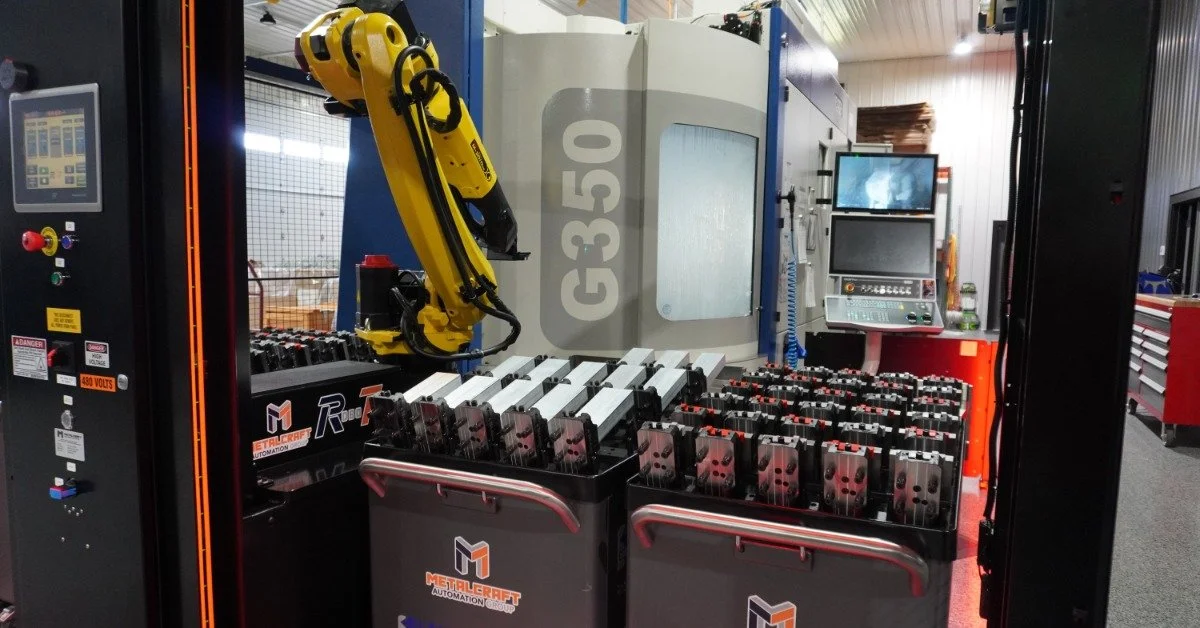
Manufacturers should consider how robotic equipment interacts with machine controls, workholding devices, and material handling systems.
Consistent interfaces can make future adjustments easier when manufacturers introduce compatible equipment or modify production sequences.
Effective integration also supports troubleshooting and maintenance. When systems communicate reliably, employees can identify operational problems and restore production more efficiently.
How Can Manufacturers Prepare for Future Automation Needs?
Future production requirements remain uncertain, but manufacturers can still prepare for potential changes. A practical strategy starts with understanding which operations experience the greatest variation.
Shops should document recurring setup challenges and identify equipment limitations that affect production flexibility. This information helps prioritize improvements that support immediate requirements and potential expansion.
Manufacturers can also review automation performance regularly as workloads evolve.
These evaluations help businesses determine when additional capabilities or equipment adjustments could improve operations.
Building More Flexible Manufacturing Operations
Adaptive automation gives manufacturers practical ways to respond to changing customer demands without sacrificing operational consistency. Flexible robotics and modular equipment can help shops accommodate different production requirements while making better use of available resources.
Successful implementation requires careful equipment selection and integration planning. Manufacturers should prioritize solutions that address current challenges while supporting realistic future needs.
Metalcraft Automation Group provides manufacturing automation solutions for applications such as CNC machine tending, welding, and finishing. Its team helps businesses evaluate automation opportunities and implement systems that fit their production requirements.